



Three Daily Āsana Classes
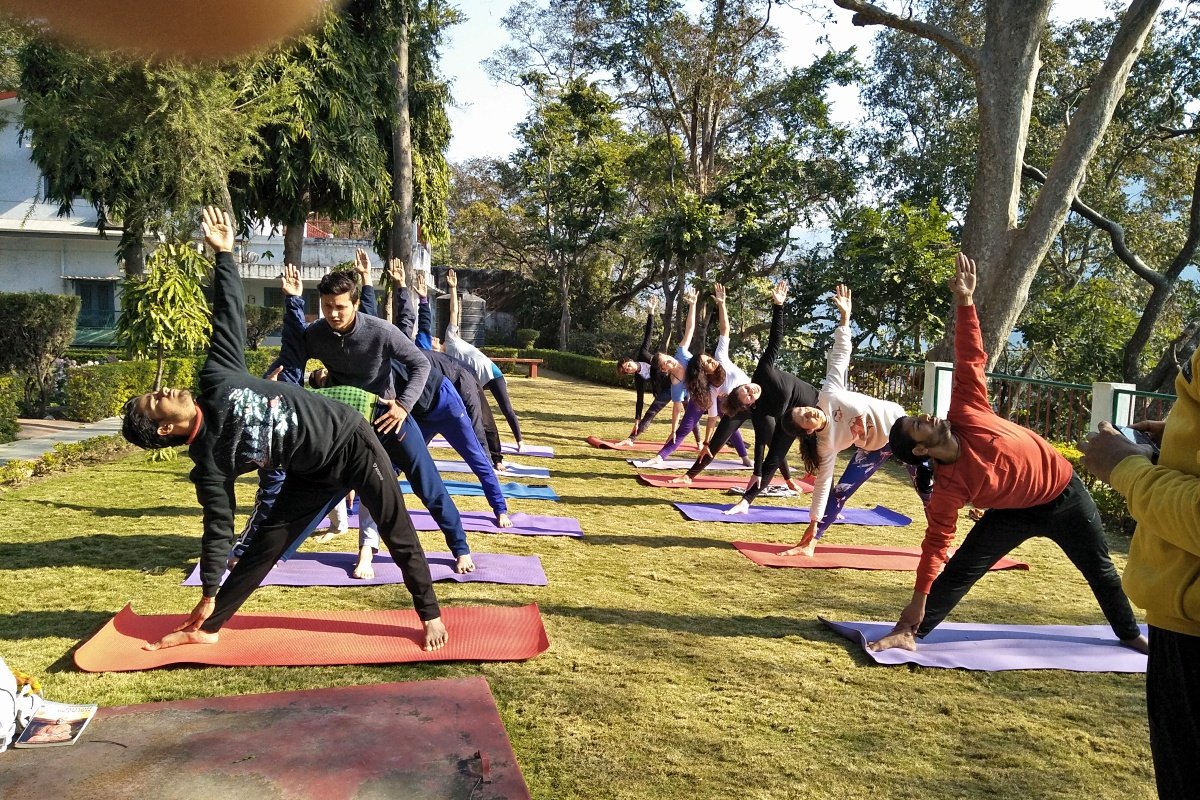
Classical Haṭha, Alignment & Adjustment and Aṣṭāṅga Vinyāsa every day, each developing steadiness, precision or breath–movement coordination.
Why Three Daily Asana Classes?

Morning Haṭha Yoga develops sustained practice, steadiness and awareness. Alignment & Adjustment develops observation, props, modifications and appropriate adjustments. Aṣṭāṅga Vinyāsa develops breath–movement coordination, sequencing and focus. Together they give a broader framework for understanding and teaching āsana.
The Three-Part Asana Structure
| Session | Time | Primary focus | Learning dimension |
|---|---|---|---|
| Classical Haṭha Yoga | 06:30 AM | Sustained postures & awareness | Steadiness, alignment and mindful practice |
| Alignment & Adjustment | 12:00 PM | Observation, props & adjustments | Precision and individual guidance |
| Aṣṭāṅga Vinyāsa | 06:15 PM | Breath-linked movement & sequencing | Coordination, discipline and dynamic practice |
Classical Haṭha Yoga
- Time:
- 06:30 AM
- Primary focus:
- Sustained postures & awareness
- Learning dimension:
- Steadiness, alignment and mindful practice
Alignment & Adjustment
- Time:
- 12:00 PM
- Primary focus:
- Observation, props & adjustments
- Learning dimension:
- Precision and individual guidance
Aṣṭāṅga Vinyāsa
- Time:
- 06:15 PM
- Primary focus:
- Breath-linked movement & sequencing
- Learning dimension:
- Coordination, discipline and dynamic practice

Morning Classical Haṭha Yoga
The morning session provides space for sustained exploration of āsana: posture, breathing, body awareness, stability and ease, sustained attention and mindful transitions.
Sthira Sukham Āsanam — “Posture should be steady and comfortable.” (Yoga Sūtra 2.46)
Alignment & Adjustment: Learning to Observe
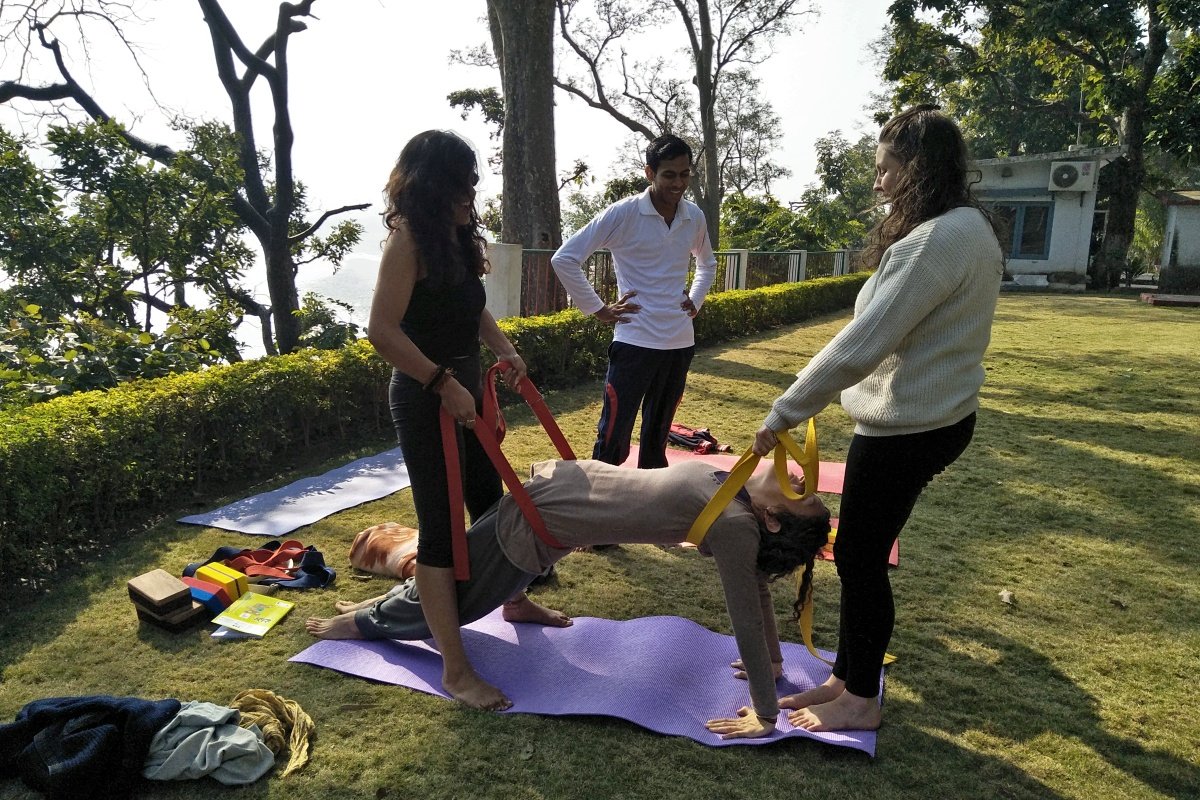
The midday session shifts the student from performing postures to observing them: basic alignment principles, blocks and belts, modifications, verbal instruction, appropriate hands-on adjustment and understanding differences between students.
The objective is not to make every posture look identical, but to develop the ability to observe, understand and communicate.
Aṣṭāṅga Vinyāsa: Breath, Movement and Discipline
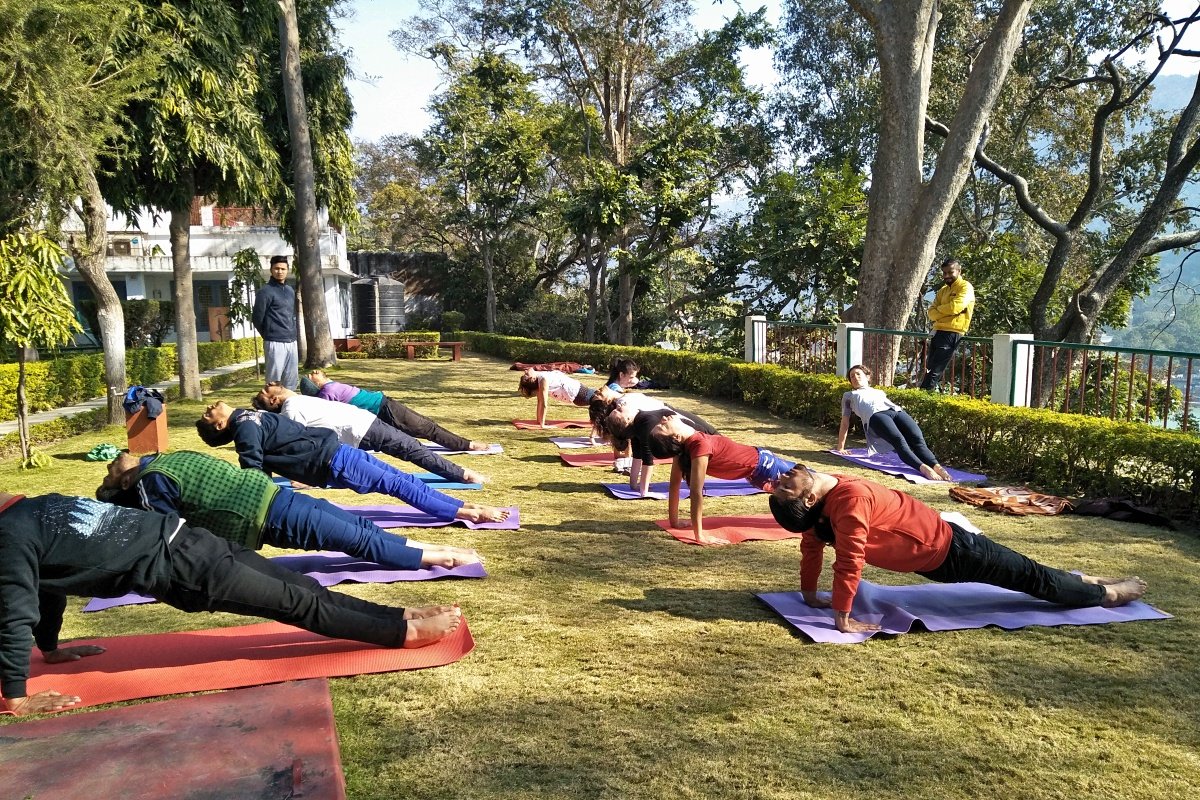
The evening session introduces a dynamic relationship between breath and movement, based on the Primary Series: vinyāsa sequencing, Ujjāyī breathing, dṛṣṭi (gaze), transitions, concentration and consistent practice.
Three Sessions, Three Learning Dimensions
Haṭha
Stay. Observe. Become steady.
Alignment
Observe. Understand. Refine.
Aṣṭāṅga
Breathe. Move. Coordinate.
From Personal Practice to Teaching
Teaching requires the ability to demonstrate clearly, observe students, give useful instructions, understand sequencing, coordinate breath and movement, and create a safe, focused environment. The three sessions give different contexts in which these skills develop.
Āsana as Part of a Larger Yoga Education
The three āsana sessions are one part of a broader curriculum that also includes Prāṇāyāma, meditation, Bandha, Mudrā, Ṣaṭkarma, philosophy, anatomy, Āyurveda, mantra, teaching methodology and practicum.
Frequently Asked Questions
Do I need to be flexible to join?
No. The sessions are taught progressively, with props and modifications where appropriate.
Is Aṣṭāṅga too dynamic for beginners?
Aṣṭāṅga is introduced step by step, starting with Sūrya Namaskāra A and B and the standing sequence.
Are hands-on adjustments given?
Appropriate adjustments may be offered. Tell teachers if you prefer verbal cues only or have an injury.
A posture can be demonstrated in seconds. Understanding it takes longer.
For Real Understanding. Practice deeply. Study sincerely. Understand yoga.

Step Onto The Mat Where Ancient Masters Walked
Upcoming residential cohorts at our Rishikesh campus are filling quickly. Connect directly with our admissions team to secure your dates and room preference.