


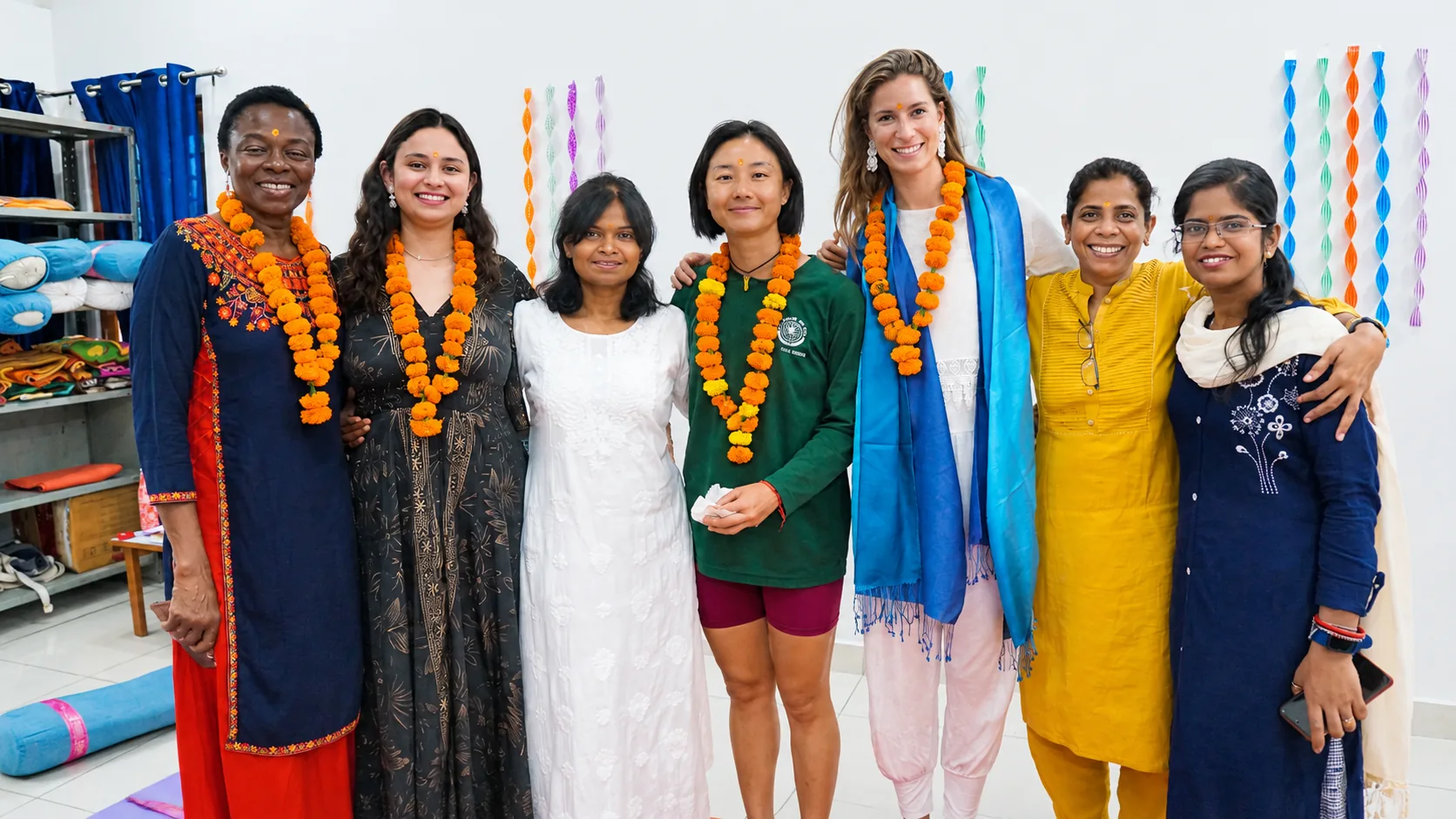
200-Hour Yoga Teacher Training in Rishikesh
Our most popular, Yoga Alliance USA RYT 200 registered TTC in Rishikesh — complete professional certification in Hatha & Ashtanga, pranayama, anatomy and teaching methodology, taught personally by Acharya Siddhant.
What Is the 200-Hour Yoga Teacher Training Course?

The 200-Hour Yoga Teacher Training Course (YTTC) is a 24-day residential program that trains and certifies you to teach yoga professionally. Held in Rishikesh, India — the world's yoga capital — this Yoga Alliance USA RYS 200 registered course is the internationally recognized entry point into professional yoga teaching, combining Hatha and Ashtanga asana, Pranayama, meditation, anatomy, yoga philosophy and hands-on teaching methodology into one complete curriculum.
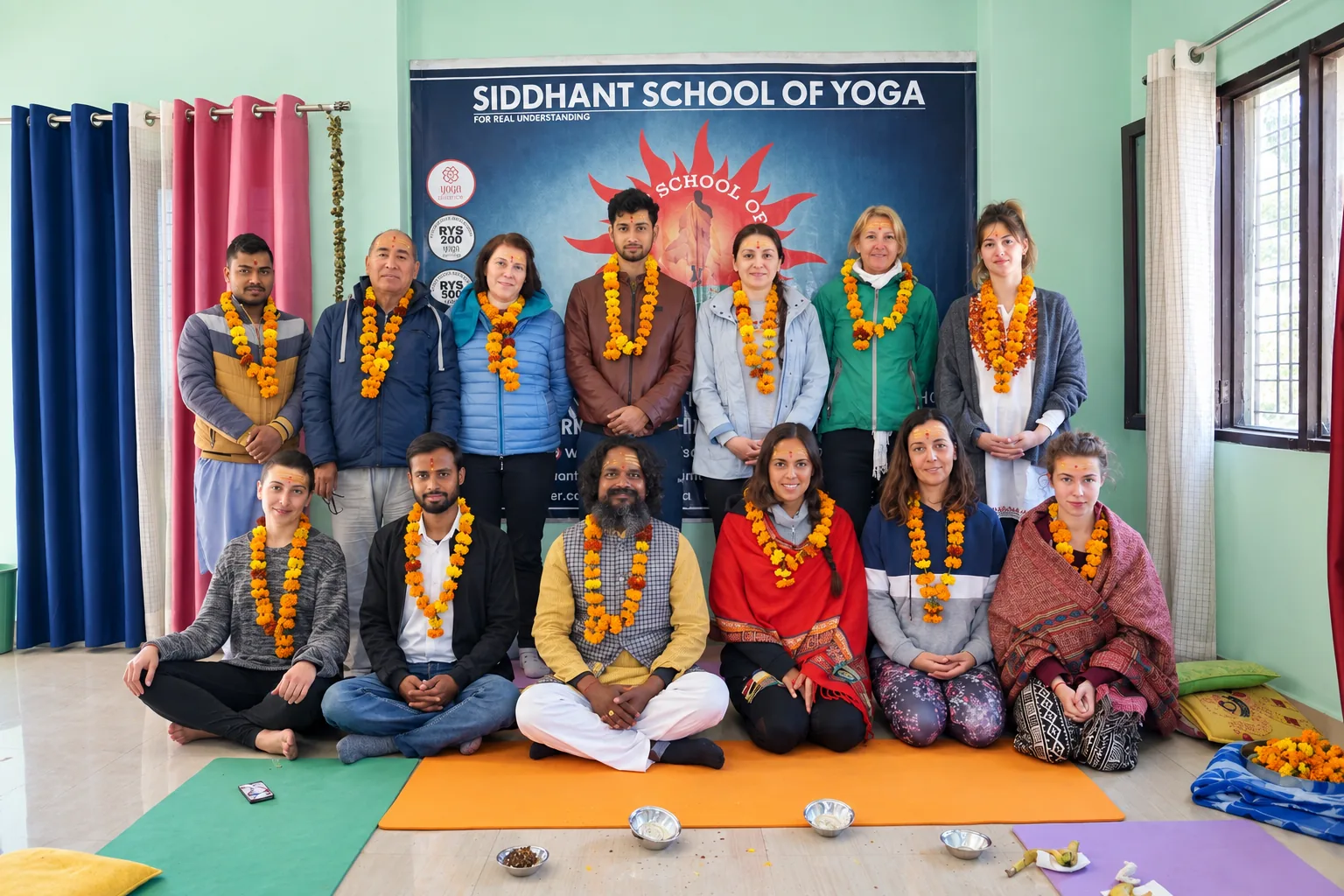
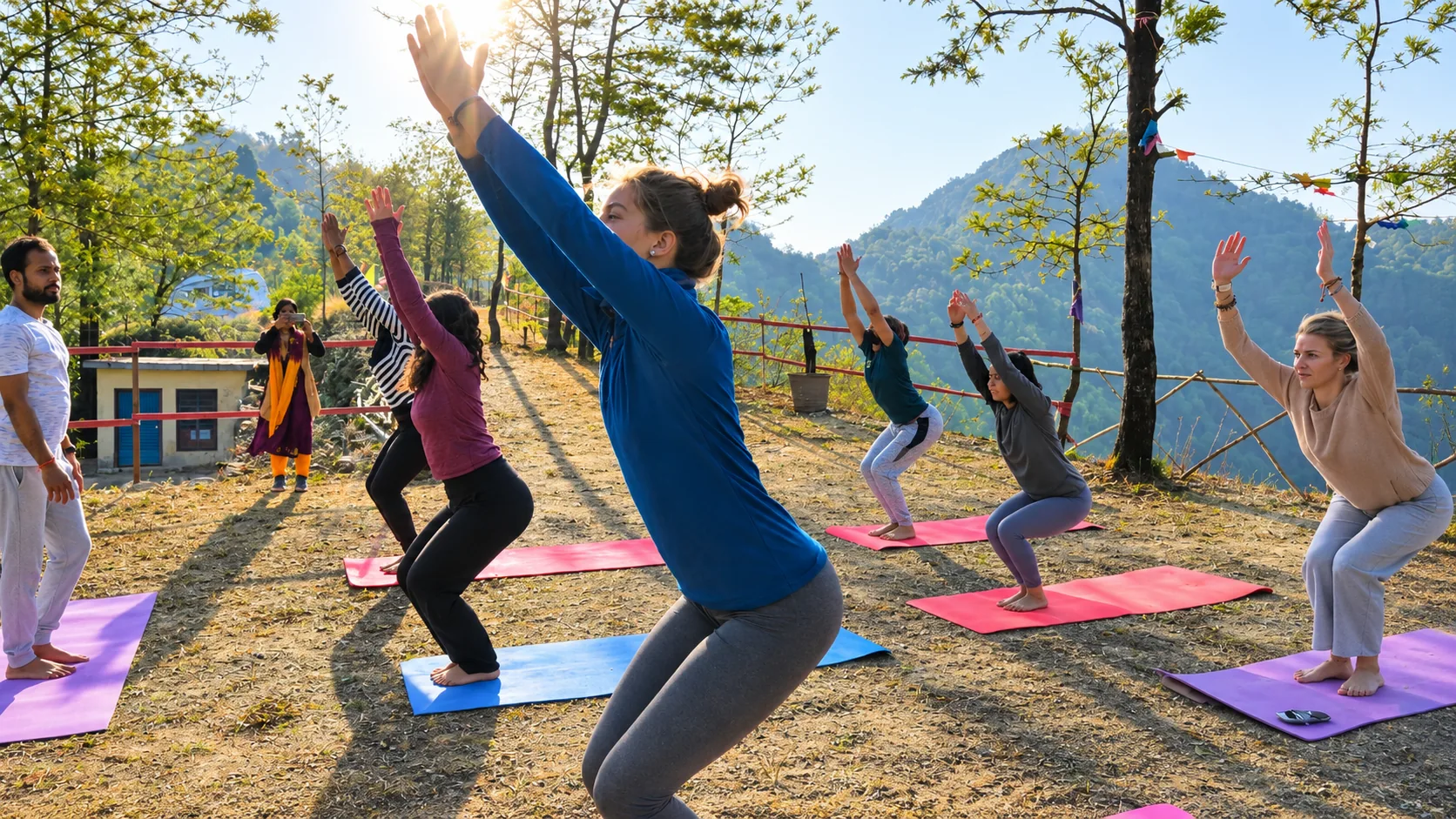
At Siddhant School of Yoga, the course is taught personally by Acharya Siddhant in small batches of 10–15 students, ensuring direct, individual correction rather than group-only instruction. Each day moves through Shatkarma cleansing, Pranayama, Hatha and Ashtanga asana practice, yoga philosophy, anatomy workshops and teaching practicum — all within a residential ashram setting that includes three sattvic vegetarian meals a day and weekend excursions to temples and the Himalayan foothills.
On successful completion, graduates receive a 200-hour Yoga Alliance USA Registered RYT 200 certificate — the most widely recognized yoga teacher certification worldwide — qualifying them to teach at studios, gyms and retreat centers internationally. Every student also receives a personalized 100-day post-graduation practice schedule and ongoing mentorship to carry their training forward for life.
200-Hour Yoga TTC in Rishikesh — Quick Facts
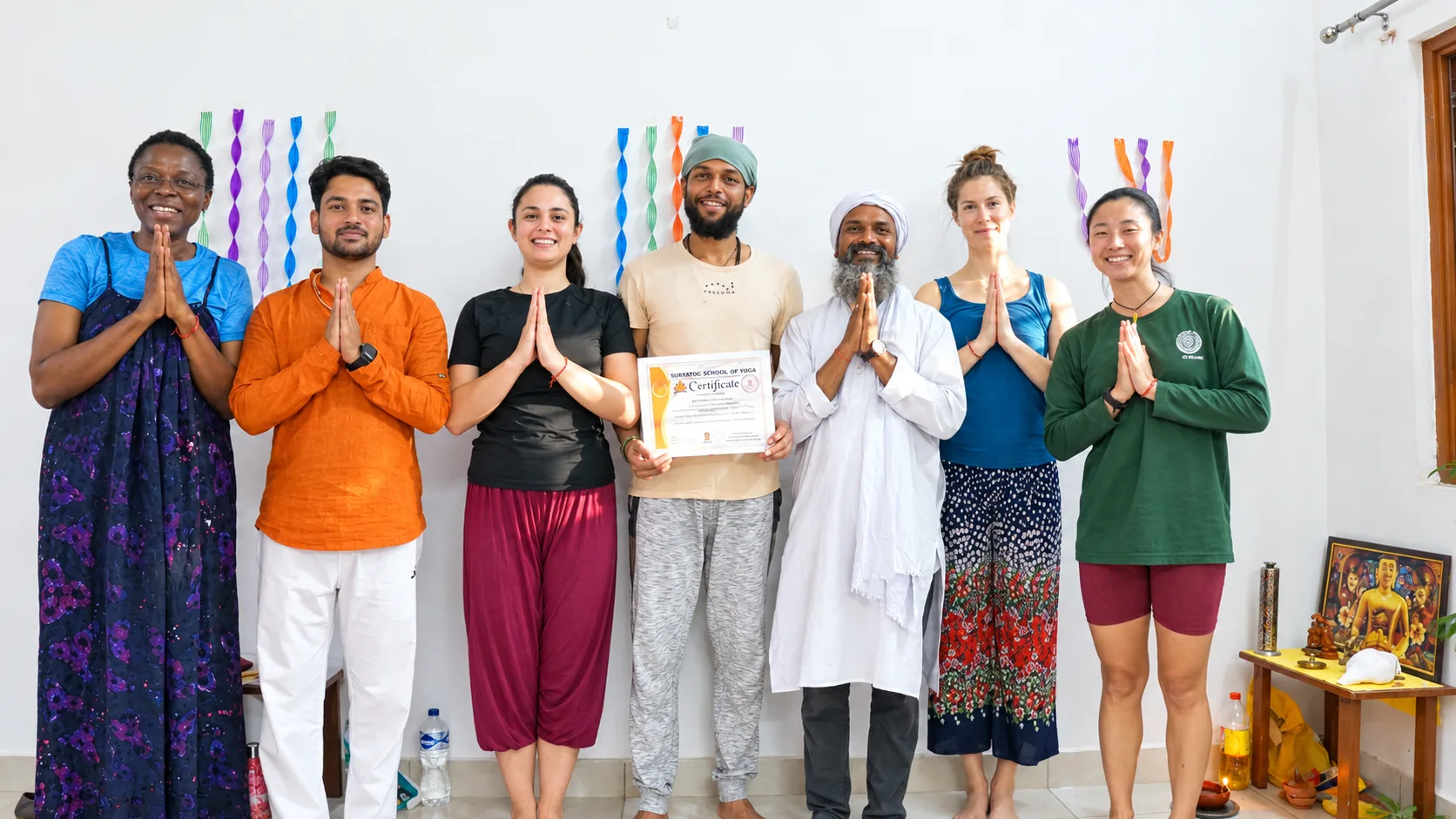
“Becoming a certified yoga teacher in Rishikesh”
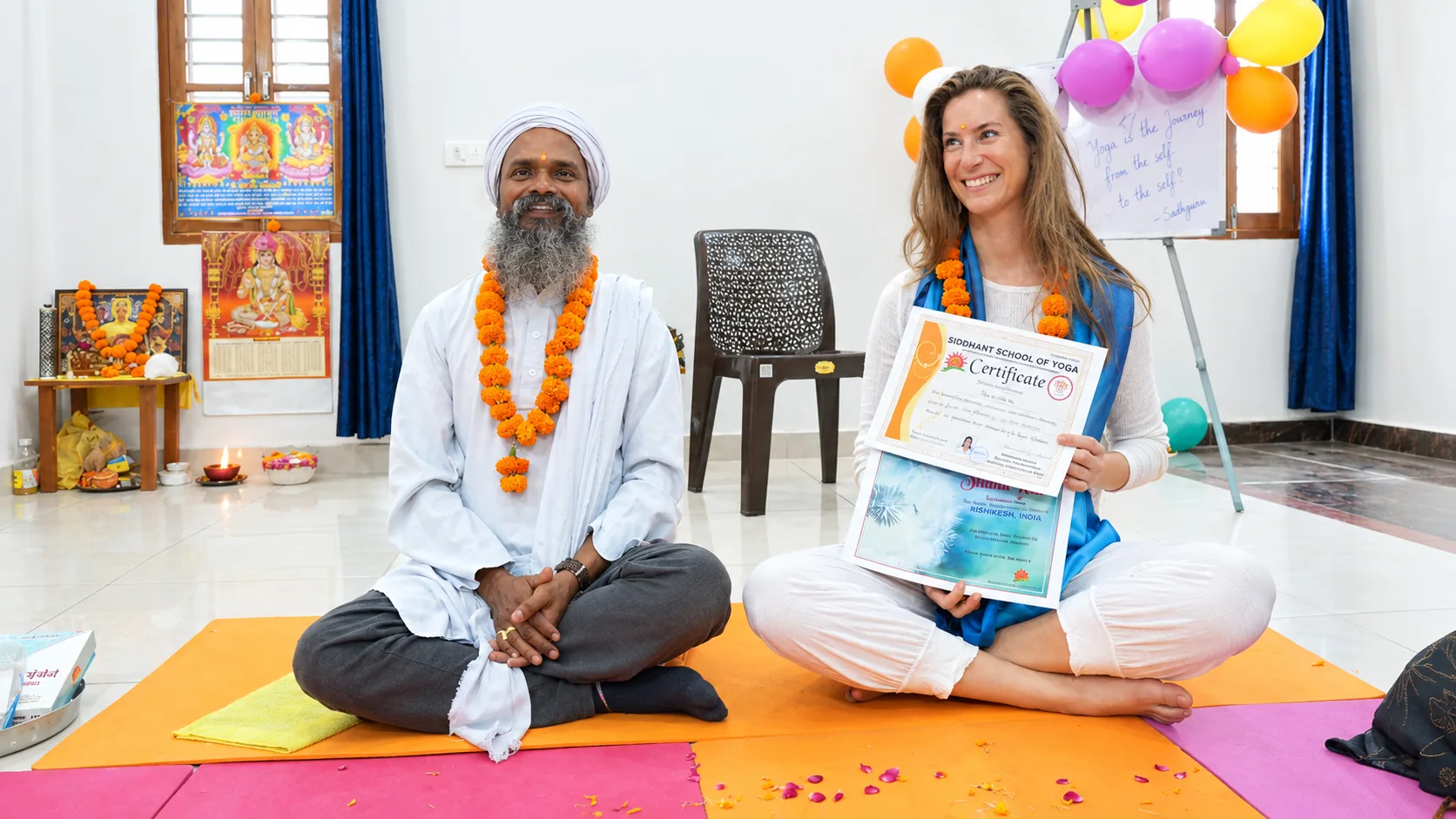
A Message From Acharya Siddhant
“Yoga is not an option, yoga is a lifestyle to discover your true self before you end life. It is a journey from darkness to light, from suffering to bliss, and from thoughts to thoughtlessness.”
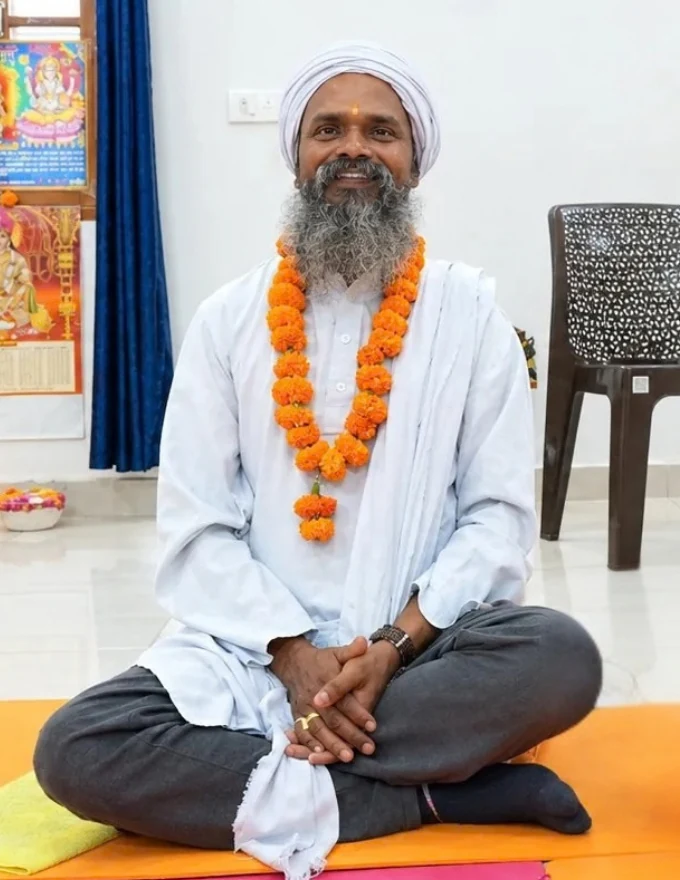
I personally teach every 200-hour batch at Siddhant School of Yoga, because I believe this training is not just about earning a certificate — it is about transforming into a teacher who can guide others from a place of real, lived understanding.
— Acharya Siddhant, Founder & Spiritual Director
What the 200-Hour Curriculum Covers
Techniques, Training & Practice
Asana · Pranayama · Meditation · Mantra
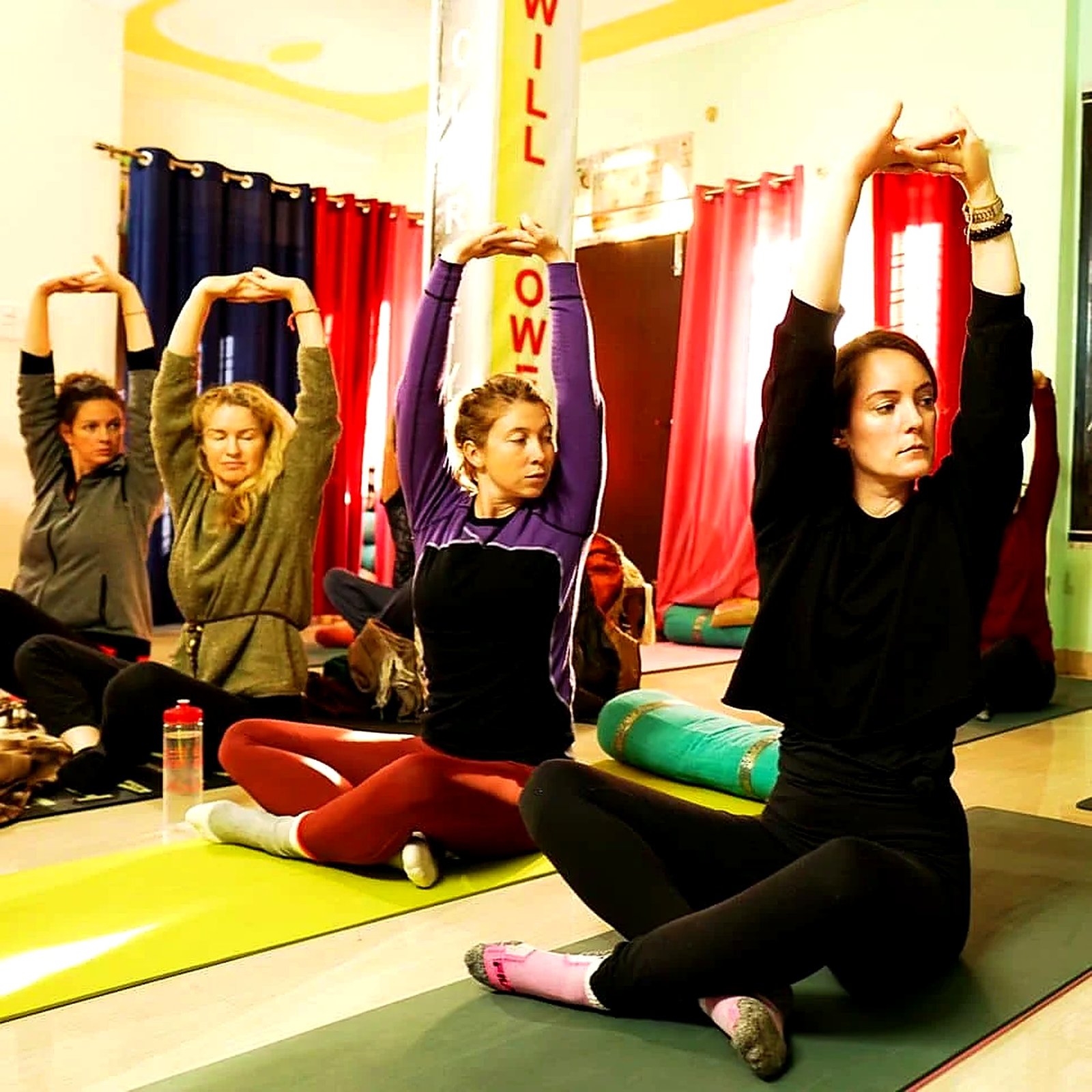
You will practice Hatha and Ashtanga yoga poses, breathing exercises, hand gestures, body locks, cleansing techniques, meditation and chanting every day, with close guidance.
Anatomy & Physiology
Body · Breath · Subtle Energy
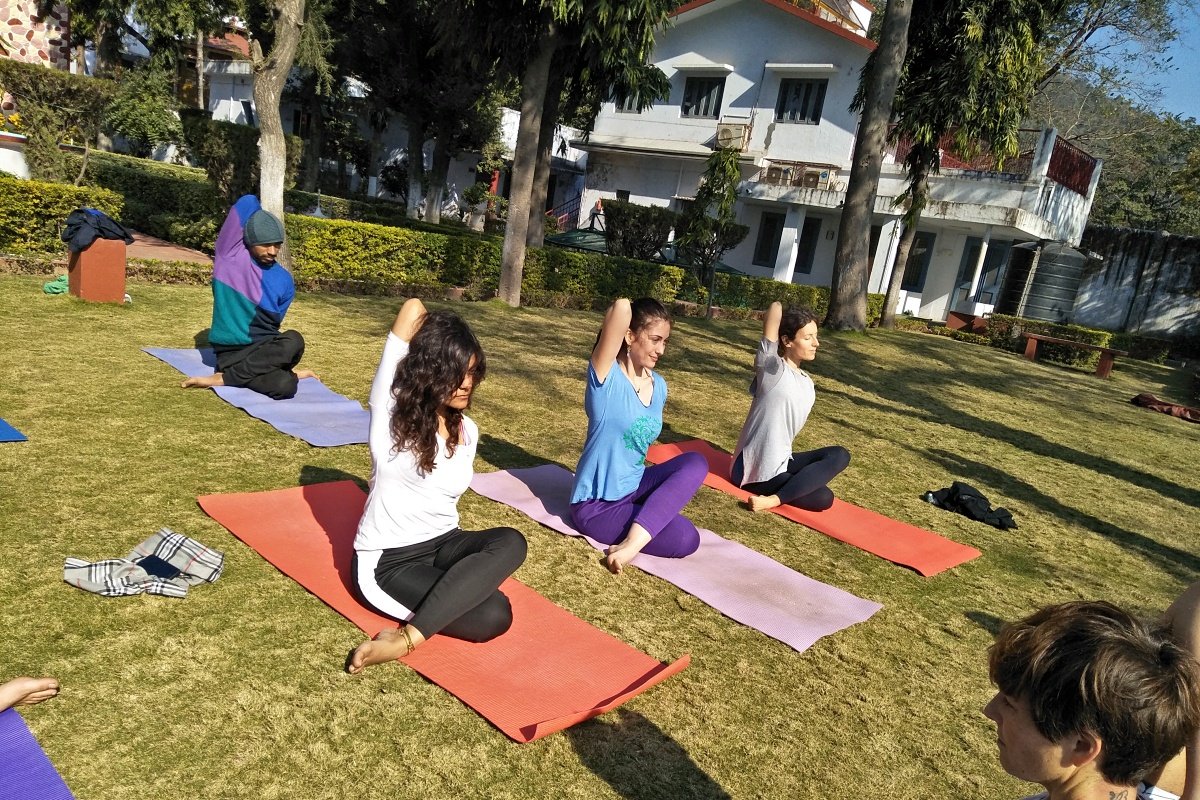
Learn how your bones, muscles, breath and nerves work together, plus the body's energy channels and chakras, so you can teach safely and with confidence.
Yoga Humanities
History · Philosophy · Ethics
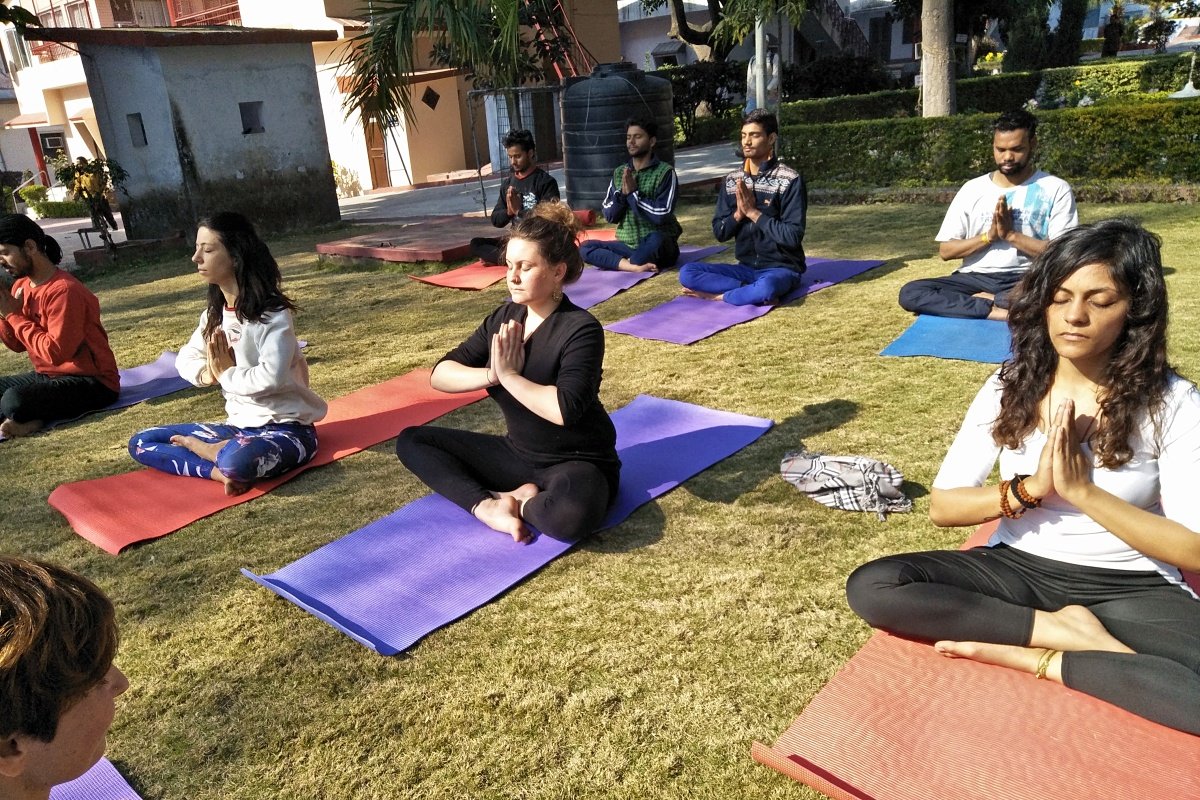
Understand the old yoga texts, the Eight Limbs of Yoga, where this tradition comes from, and how a good yoga teacher should behave.
Professional Essentials
Teaching · Practicum · Certification
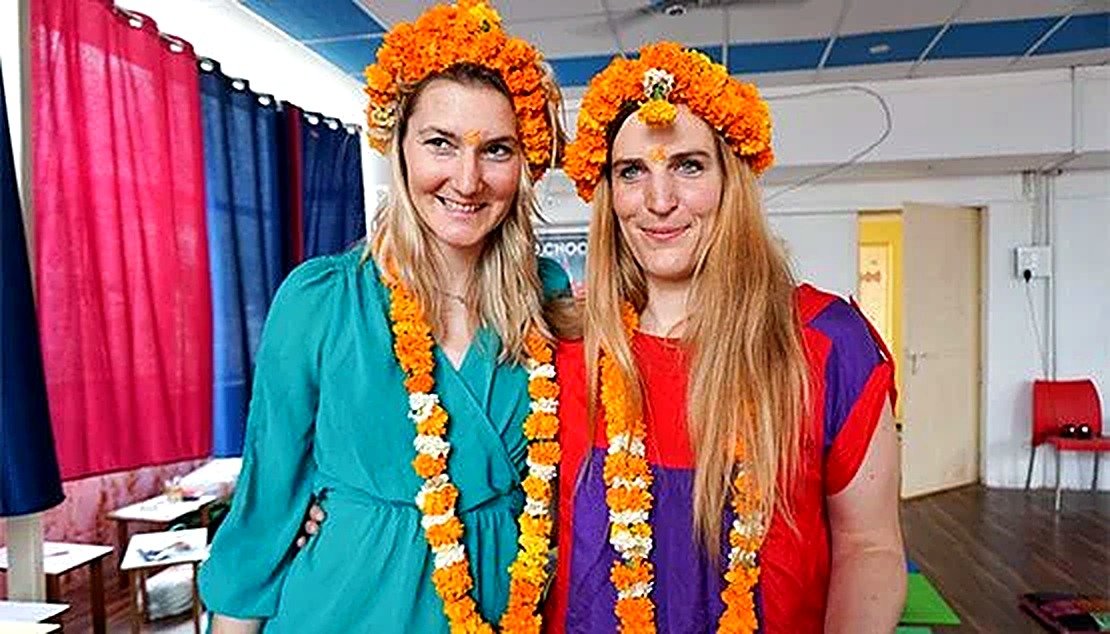
Learn how to plan and run a class, practice teaching with feedback, get basic Ayurveda knowledge, and get step-by-step help with your certification.
Beginner postures: Prarambhik Sthiti, Padanguli Naman, Goolf Naman, Goolf Chakra, Goolf Ghooran, Janu Naman, Janu Chakra, Mustika Bandhana, Manibandha Naman, Manibandha Chakra, Kehuni Naman, Kehuni Chakra, Skandha Chakra, Greeva Sanchalana, Rajju Karshan Asana, Chakki Chalanasana, Nauka Sanchalanasana, Kauva Chalasana, Marjari Asana, Ardha Titali Asana, Poorna Titali Asana, Shroni Chakra, Butterfly Pose, Namaskarasana, Vayu Nishkasana, Supta Vajrasana.
Intermediate postures: Kashtha Takshan Asana, Gatyatmak Meru Vakrasana, Vyaghrasana, Surya Namaskara, Moon Salutation, Sun Salutation variations, Paschimottanasana, Janu Sirsasana, Ushtrasana, Sarpasana, Dhanurasana, Setu Bandhasana, Supta Udarkarshanasana, Shava Udarkarshanasana, Tiryak Bhujangasana, Udarkarshanasana, Trikonasana, Naukasana, Navasana, Salabhasana.
Advanced postures: Hanumanasana, Kurmasana, Chakrasana, Garudasana, Bakasana, Sirsasana, Vrischikasana, Mayurasana, Padotthanasana, Padachakrasana, Pada Sanchalanasana.
Meditative & seated postures: Vajrasana, Sukhasana, Ardha Padmasana, Padmasana, Siddhasana.
Foundation: Surya Namaskar A & B, understanding vinyasa (the movement-breathing system), joint mechanics and modifications.
Standing postures: Padangusthasana, Padahastasana, Trikonasana, Parivrittatrikonasana, Parsvottonasana, Virabhadrasana I & II, Utthitaparsvakonasana, Parivrittaparsvakonasana, Prasaritapadottanasana, Utthita Hasta Padangusthasana, Ardhabaddha Padma Uttanasana, Utkatasana.
Seated series: Dandasana, Janu Sirsasana, Ardhabaddha Padma Paschimottanasana, Triangamukaikapada Paschimottanasana, Paschimottanasana, Purvottasana, Marichyasana, Paripurnanavasana, Bhujapidasana, Adhomukhavrksasana, Kurmasana, Kukkutasana, Garbhapindasana, Baddhakonasana, Upavistakonasana, Suptakonasana, Suptapadangustasana, Ubhayapadangustasana, Urdvhamukhapaschimottanasana, Setubandhasana, Urdvhadhanurasana, Suptakurmasana.
Finishing postures: Salamba Sarvangasana, Halasana, Karnapidasana, Urdvhapadmasana, Pindasana in Sarvangasana, Matsyasana, Uttanapadasana, Padmasana, Tolasana, Savasana.
- Importance of proper alignment and adjustment
- Definition and principles of alignment
- Hands-on adjustment techniques
- Safety and modification protocols
Foundational concepts: The five Koshas (sheaths), the seven Chakras, Nadis (energy channels), definition and aspects of Pranayama, its importance and sequencing, and preparation techniques.
- Yogic inhalation (Abdominal, Thoracic)
- Inner and outer retention
- Udgeeth Pranayama
- Kapalbhati
- Surya Bhedi Pranayama
- Chandra Bhedi Pranayama
- Alternate breathing (Nadi-Shodhana)
- Bhastrika
- Bhramari Pranayama
- Ujjayi Pranayama
- Sheetali Pranayama
- Sheetkari Pranayama
- Rules, regulations & precautions
- Teaching methodology for Pranayama
- Definition and importance of Bandha
- Mula Bandha (root lock)
- Uddiyana Bandha (abdominal lock)
- Jalandhara Bandha (throat lock)
- Maha Bandha (great lock)
- Definition and implementation
- Jnana Mudra
- Chin Mudra
- Bhairav Mudra
- Bhairavi Mudra
- Nashikagra Mudra
- Ashwani Mudra
- Introduction to yogic purification practices
- Importance and benefits
- Jal Neti (nasal cleansing)
- Kapalbhati (skull shining)
- Trataka (concentrated gazing)
- Kunjal Kriya (stomach cleansing)
- Sutra Neti / Rubber Neti (thread cleansing)
- Understanding relaxation
- Muscular relaxation methods
- Deep breathing relaxation
- Tense-relax progression
- Partial body relaxation
- Full-body relaxation
- Mental relaxation practices
Theory: Definition of meditation, understanding meditation as a path, preparation and practice methods, and practical meditation aspects.
- OM meditation
- Active meditation
- Candle Tratak meditation
- Mirror Tratak meditation
- Anapana meditation (breath awareness)
- Vipassana meditation (insight)
- Inactive meditation
- Dance meditation
- Five senses meditation
- Spine awareness meditation
- Spinal breathing meditation
- Chakra meditation
- Chakra balancing meditation
- Mudra meditation
- Teaching methodology for meditation
- Definition and importance
- Body awareness practices
- Finding sensation
- Identifying blind spots
- Yoga Nidra practice techniques
- Importance of gratitude
- Definition and philosophy
- Practical gratitude cultivation methods
Concepts: Definition of Mantra, definition of Mantra chanting, its importance and benefits, types of mantras, and proper pronunciation.
Mantras taught: Ganesh Mantra, Guru Mantra, Gayatri Mantra, Mahamrityunjaya Mantra, Universal Prayer Mantra, Shanti (Peace) Mantra.
Skeletal system: Joint movements (flexion, extension, abduction, adduction), joint stabilization and mechanics in yoga practice, bone system and types, types of joints, effect of asana on the skeletal system.
Muscular system: Major muscle groups, muscle function and movement, and muscle strengthening through asana.
- Digestive system and yoga
- Respiratory system mechanics
- Nervous system and its connection to pranayama & meditation
Fundamentals: Definition of philosophy, understanding problems and growth, the Panch Kosha (five sheaths) theory, kosha balancing, the nature of mind, and an introduction to Indian philosophy.
Ashtanga Yoga — the Eight Limbs:
- Yama (ethical restraints)
- Niyama (observances)
- Asana (postures)
- Pranayama (breath control)
- Pratyahara (sense withdrawal)
- Dharana (concentration)
- Dhyana (meditation)
- Samadhi (liberation)
Includes the history of yoga traditions, different types of yoga, Raja Yoga, and Patanjali's Yoga Sutras.
- Yoga and ethical teaching principles
- Yoga Alliance relationship and standards
- Personal, professional & spiritual growth connection
- Ethics of practice
- Ethics of teaching
- Professional development definition
- Yoga and career advancement
- The RYT (Registered Yoga Teacher) pathway
- Yoga business and commercialization
- Continuing education options
- Marketing & promotion strategies
Fundamentals: Ayurveda's definition and principles, the yoga–Ayurveda relationship, and Ayurveda in practical life.
The three Doshas: Vata, Pitta and Kapha characteristics, body types & constitution, definitions of disease and health, and an introduction to basic herbs.
- Class sequencing & pacing
- Environment creation
- Cueing & instruction
- Class management & preparation
- Positive, conscious communication
- Voice tone and modulation
- Demonstration techniques (passive & active)
- Offering and using props
- Individual student observation
- Hands-on adjustments
- Practicum definition and importance
- Teaching practice protocols
- Supervised student-teaching sessions
- Feedback from master teachers
- Development of teaching confidence
- Yoga Alliance registration process
- RYT (Registered Yoga Teacher) pathway
- E-RYT advanced registration
- RYS (Registered Yoga School) standards
- Certificate requirements and procedures
Who Should Join a 200-Hour Yoga Teacher Training in Rishikesh
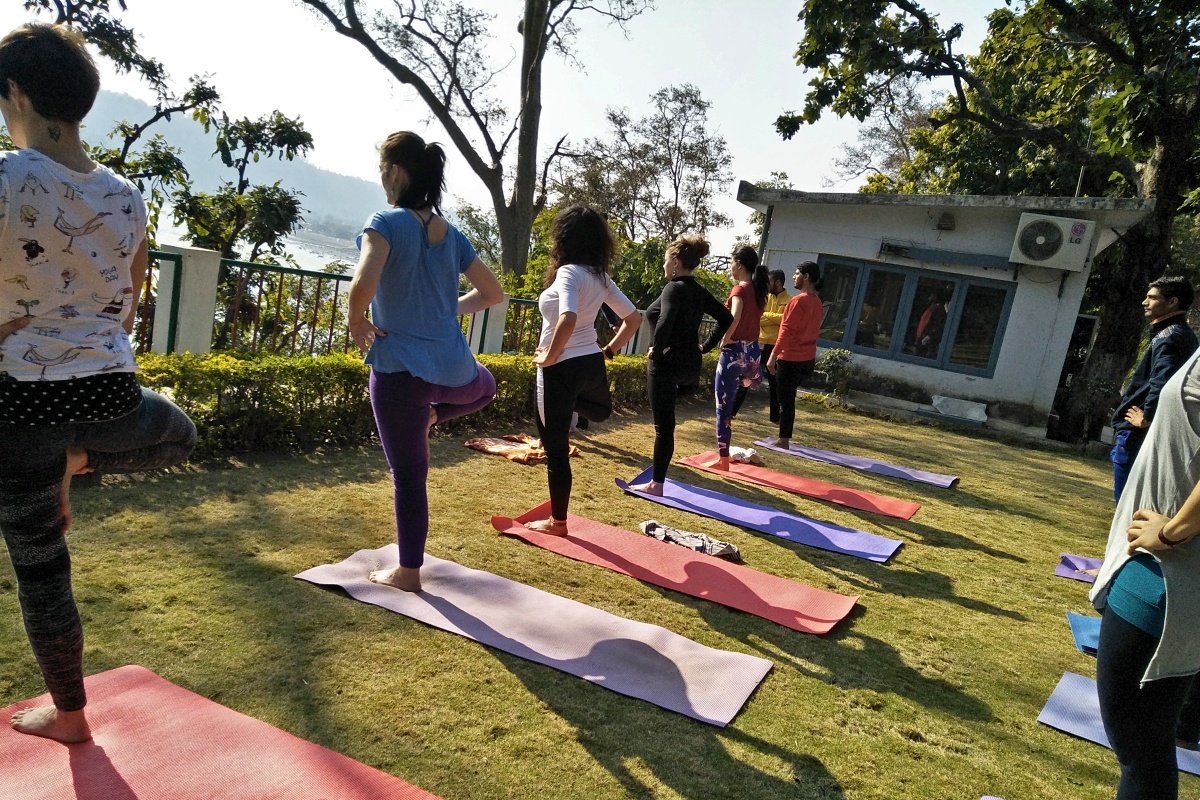 01
01Complete Beginners
Who want a strong, real foundation before anything else. This course assumes no prior experience — you build everything from the ground up, guided every step of the way by Acharya Siddhant and our senior teachers.
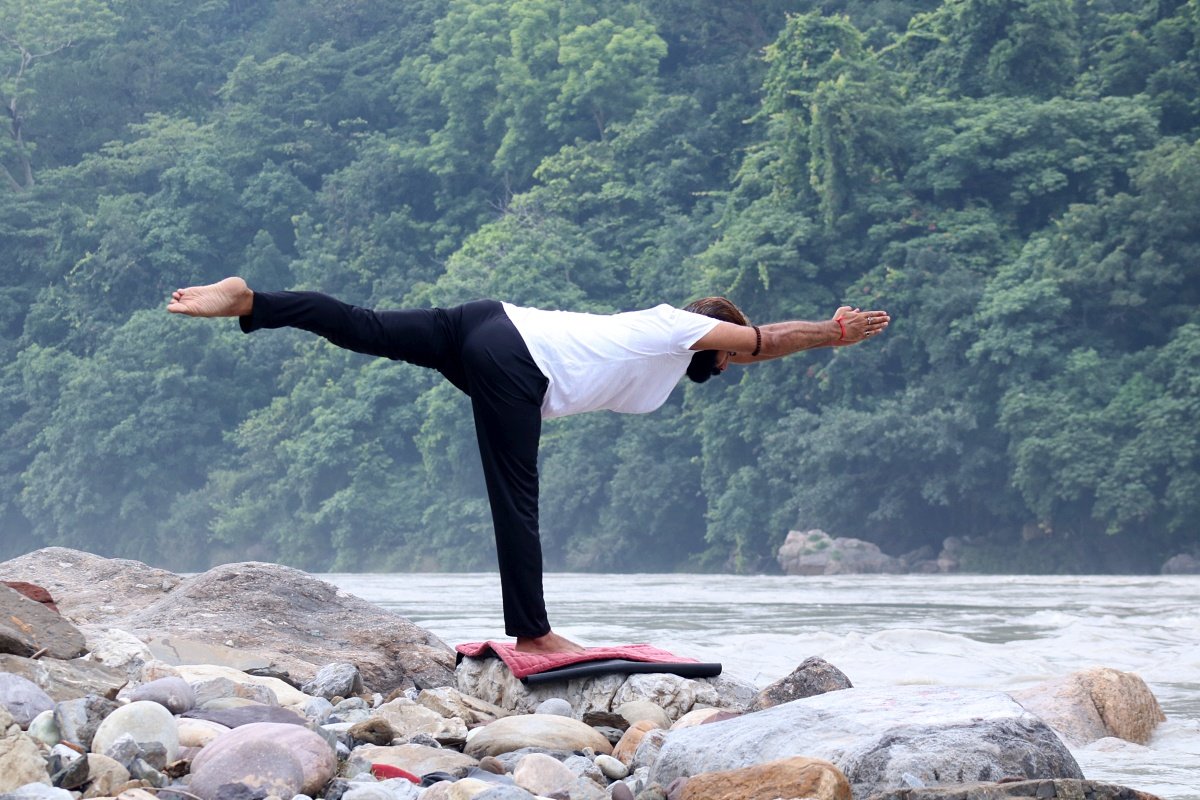 02
02Home Practitioners
Yogis who already practice on their own and want to deepen their technique, alignment and understanding under expert eyes, rather than continuing to figure it out alone.
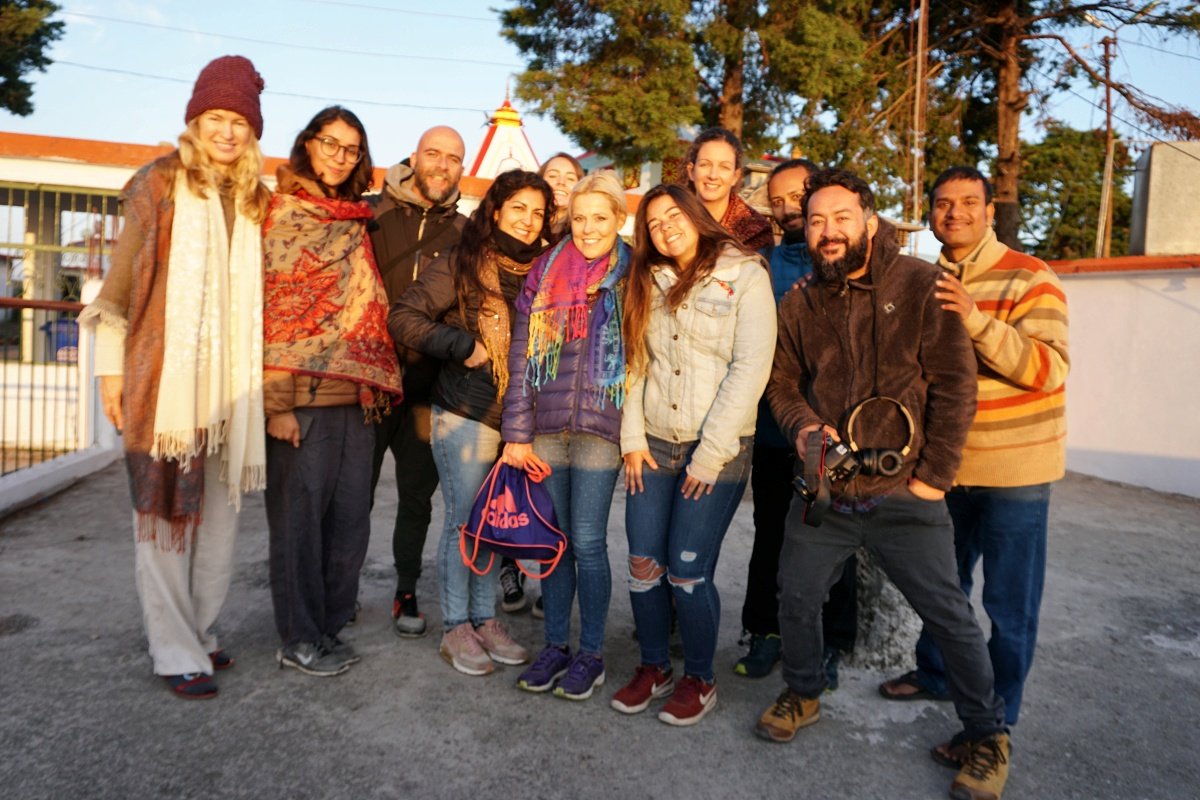 03
03Future Teachers
Anyone hoping to teach one day, wanting an internationally recognized Yoga Alliance RYT 200 certificate along with the real, practiced confidence to lead a class of your own.
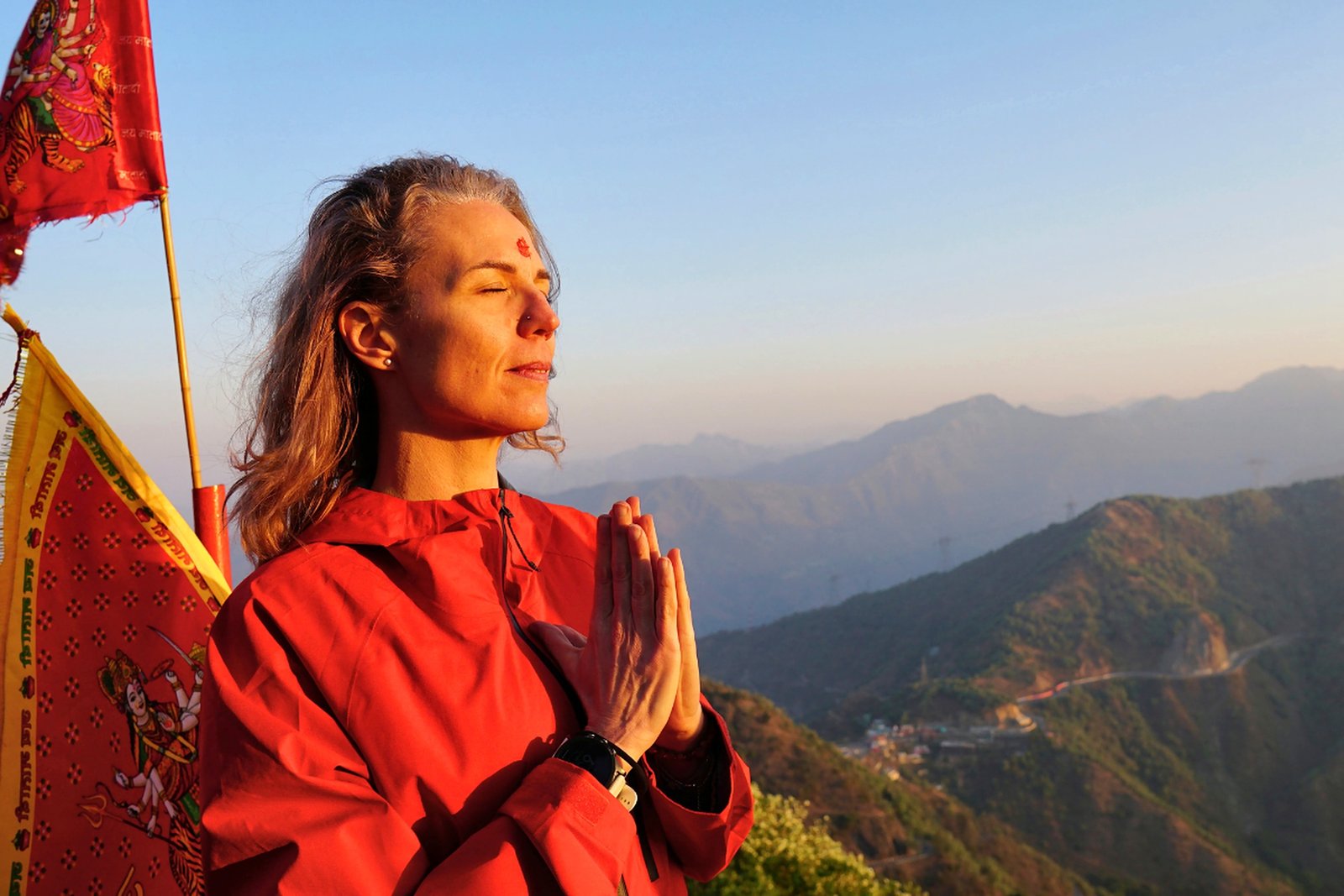 04
04People at a Crossroads
Those going through a life transition, seeking clarity, stillness and a genuine reset — using 24 days in Rishikesh to reconnect with who you really are.
01Complete Beginners
Who want a strong, real foundation before anything else. This course assumes no prior experience — you build everything from the ground up, guided every step of the way by Acharya Siddhant and our senior teachers.
02Home Practitioners
Yogis who already practice on their own and want to deepen their technique, alignment and understanding under expert eyes, rather than continuing to figure it out alone.
03Future Teachers
Anyone hoping to teach one day, wanting an internationally recognized Yoga Alliance RYT 200 certificate along with the real, practiced confidence to lead a class of your own.
04People at a Crossroads
Those going through a life transition, seeking clarity, stillness and a genuine reset — using 24 days in Rishikesh to reconnect with who you really are.
Why Siddhant School of Yoga Is the Right Choice for Your 200-Hour YTTC?
Yoga Alliance Registered School (RYS 200)
We hold an active RYS 200 registration with Yoga Alliance USA — the credential studios and employers look for worldwide.
Taught by Acharya Siddhant & Senior Faculty
Every subject — asana, pranayama, philosophy and anatomy — is taught by a dedicated, experienced teacher, giving you real depth in every class.
Small Batch Sizes for Personal Attention
We keep our batches to just 10–15 students, so every student gets hands-on correction and direct, personal feedback.
Trusted by 5,000+ Students Worldwide
Over 15+ years, thousands of students from 60+ countries have trained with us, with an average Google rating of 4.9 out of 5.
Transparent, All-Inclusive Pricing
Our course fee covers accommodation, meals, classes and study material, so there are no hidden costs to worry about.
Result-Oriented Pranayama & Meditation
Acharya Siddhant's signature breathwork curriculum goes deeper than most schools, building a real, lasting practice — not just theory.
Sattvic Meals & Comfortable Stay
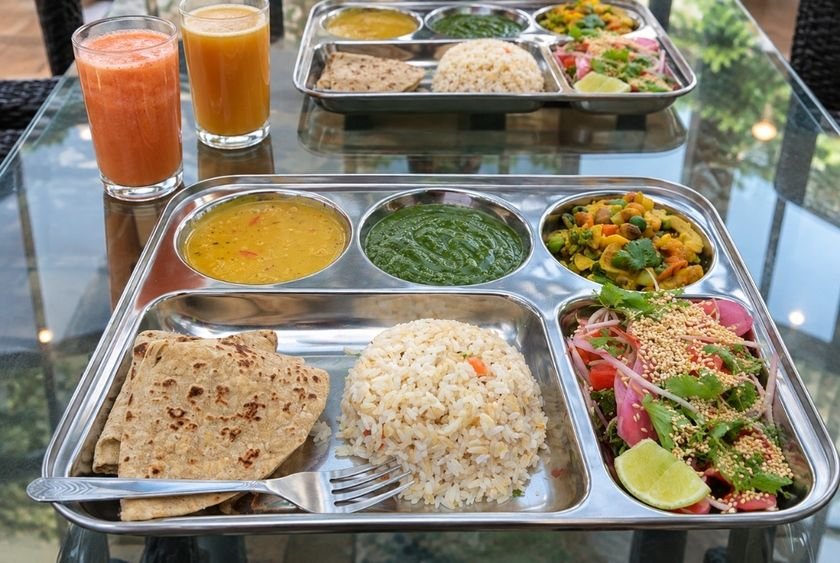
Enjoy clean, comfortable rooms and three freshly prepared sattvic vegetarian meals a day, with vegan options available.
Spiritual Excursions & Cultural Immersion
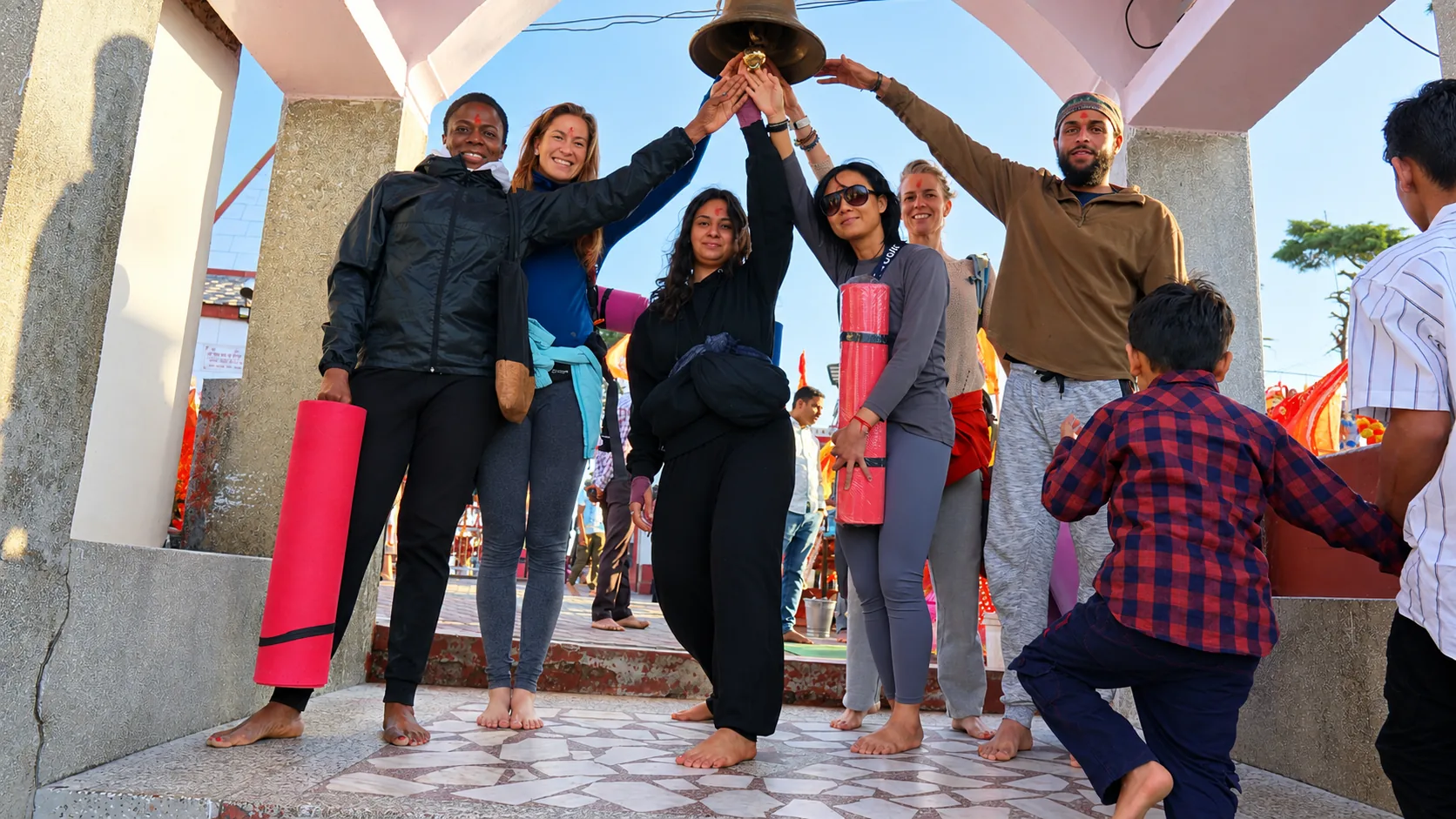
Weekend trips to temples, Ganga Aarti ceremonies and the Himalayan foothills add a deeply spiritual dimension to your training.
By the end of your training, you don't just receive a certificate — you leave with the confidence to teach, a deeper personal practice, and a clearer understanding of yoga as a way of life.



Upcoming 200-Hour Batches
| Upcoming Dates | Triple Sharing | Shared | Private | Status | |
|---|---|---|---|---|---|
| 3rd – 26th Oct 2026 | $799 | $899 | $1,199 | Filling Fast | Enroll Now |
| 3rd – 26th Nov 2026 | $799 | $899 | $1,199 | Filling Fast | Enroll Now |
| 3rd – 26th Dec 2026 | $799 | $899 | $1,199 | Seats Available | Enroll Now |
| 3rd – 26th Jan 2027 | $799 | $899 | $1,199 | Seats Available | Enroll Now |
| 3rd – 26th Feb 2027 | $799 | $899 | $1,199 | Seats Available | Enroll Now |
| 3rd – 26th Mar 2027 | $799 | $899 | $1,199 | Seats Available | Enroll Now |
| 3rd – 26th Apr 2027 | $799 | $899 | $1,199 | Seats Available | Enroll Now |
| 3rd – 26th May 2027 | $799 | $899 | $1,199 | Seats Available | Enroll Now |
Fees include accommodation, three sattvic meals daily, study material and certification. A $200 USD advance deposit secures your seat; the balance is payable on arrival. Airfare not included.
Daily Schedule of the 200-Hour Yoga Teacher Training Course
Time
Class
Note: This is an overview sample of the daily schedule. The daily schedule provided may vary according to the practice of the practitioner.
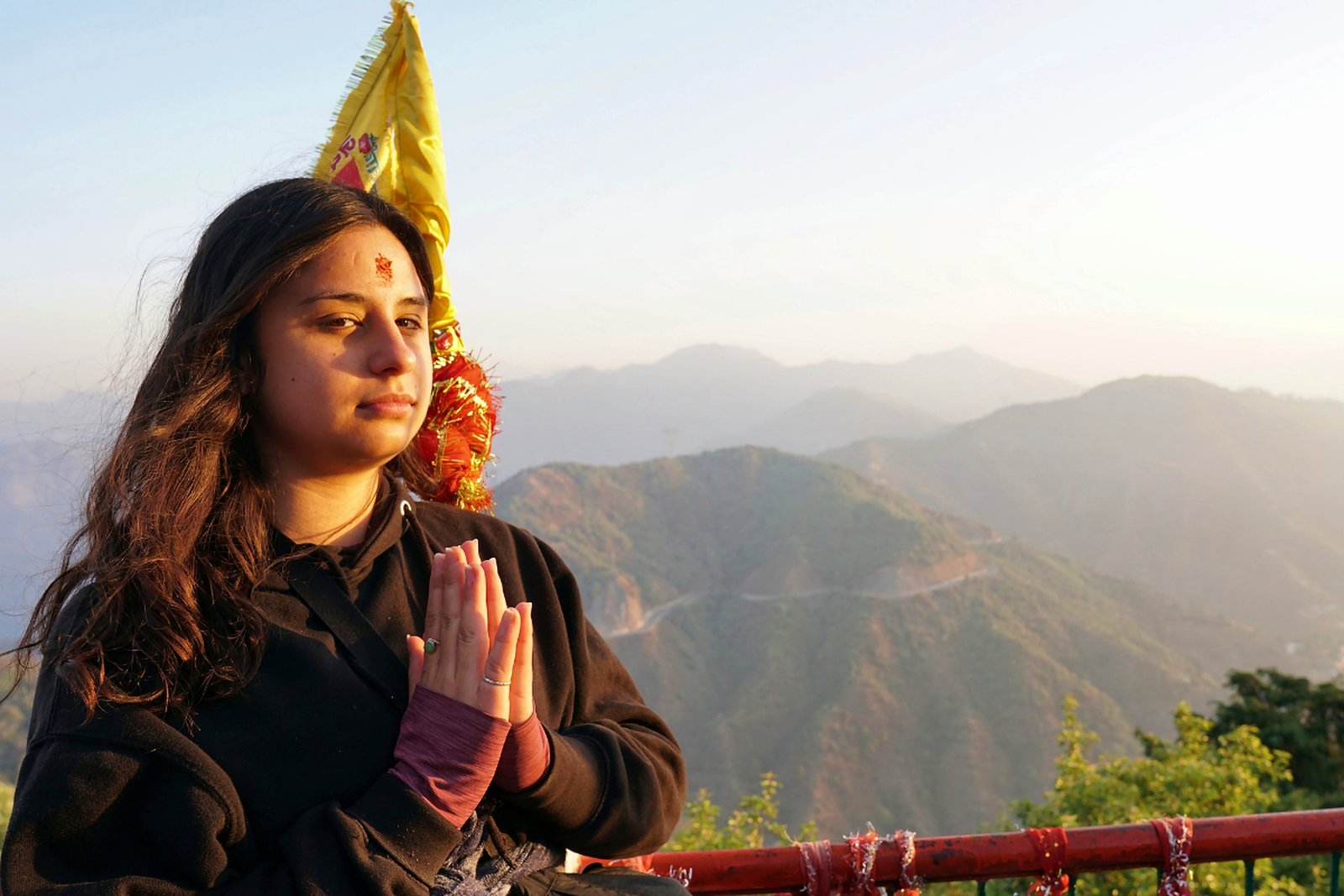
A day rooted in discipline, practice and stillness
Understanding Yoga Before You Train
Yoga is a complete Vedic science for uniting body, breath, mind and consciousness — far beyond a physical exercise routine. At Siddhant School of Yoga, the 200-hour course roots every asana and breathing technique in this deeper philosophy, so you graduate understanding not just the 'how' but the 'why' behind every practice.
Hatha Yoga emphasizes slow, precise alignment and holding postures to build a strong foundation, while Ashtanga Yoga links postures into a dynamic, breath-synchronized flow for strength and stamina. The 200-hour YTTC trains you in both styles, so you can teach a wide range of students confidently.
Prana (life-force) is considered the bridge between body and mind in yogic science. Acharya Siddhant's world-first Pranayama-focused curriculum gives this subject the depth most 200-hour courses skip, training you in classical breathing techniques that calm the nervous system and deepen meditation.
Known as the 'Yoga Capital of the World,' Rishikesh sits at the foothills of the Himalayas on the banks of the Ganges. Training here means learning in the same environment where these practices originated, surrounded by ashrams, temples and a living yogic culture that no classroom elsewhere can replicate.
Beyond flexibility and strength, a disciplined practice built during this course improves breath capacity, mental clarity, stress resilience and sleep quality. Every graduate leaves with a personalized 100-day practice schedule designed to carry these benefits forward for life.
The 200-hour YTTC is the foundational, Yoga Alliance-recognized entry point to teach professionally. The 300-hour course deepens and specializes your knowledge for experienced practitioners, while the 500-hour (200+300) is the complete master-level certification. Most students begin with the 200-hour course.
Ready to Begin Your 200-Hour Journey in Rishikesh?
Seats are limited to keep our batches small and personal. Book early to lock in the early bird discount and secure your place.
Excursions & Cultural Life
A real education never stops at the edge of the yoga hall. Woven through the 24 days are weekend excursions and a handful of small rituals that tie you to the living culture all around you — for many students, these turn out to be the memories they hold onto longest.
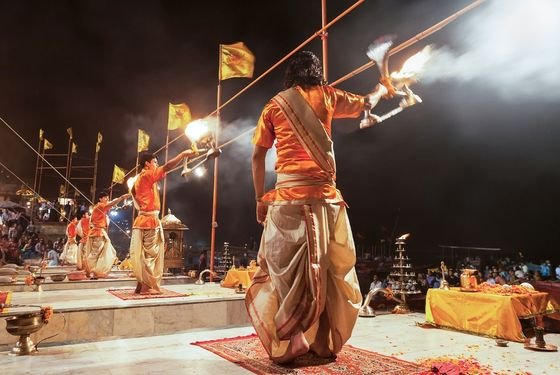 01 · At Dusk
The Evening Ganga Aarti
As dusk falls, walk down to the Ganges for the aarti — priests circle great brass lamps and the whole bank glows amber against the dark. Many students describe it as the first time in years they felt completely still.
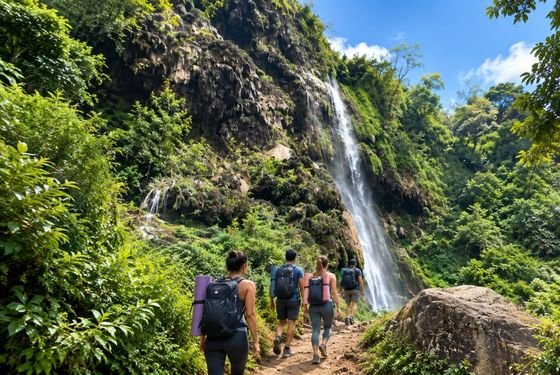 02 · On Rest Days
Waterfall Treks
On rest days, a short trek climbs to the waterfalls hidden in the hills above Rishikesh — cold water, green shade and the best kind of tired.
 03 · Some Mornings
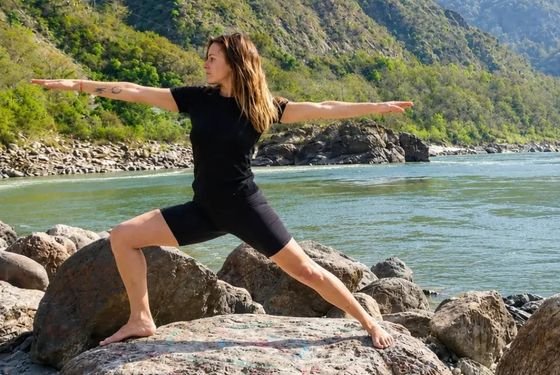
Yoga on the Ganges Ghat
Some sessions leave the yoga hall entirely — asana and meditation right on the riverbank, with the Ganges moving past as your soundtrack.
 04 · In Silence
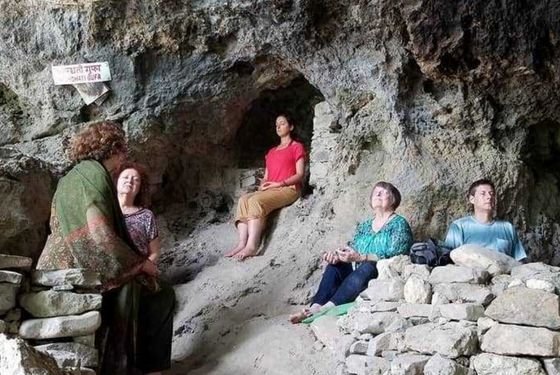
Himalayan Cave Meditation
A short trip takes you to sacred caves in the foothills, where sages once sat in silence for centuries. Meditating inside, in the cool and the dark, is a quiet that stays with you long after you've left.
 05 · Living History
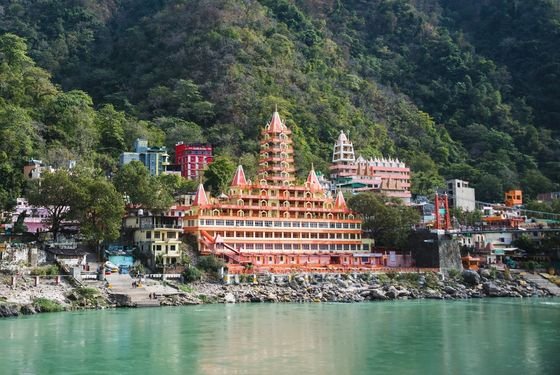
Historic Temples
Guided visits to the old temples of Rishikesh — riverside shrines and sacred sites where the tradition you study in class has been practiced without pause for centuries.
 06 · Between Practice Days
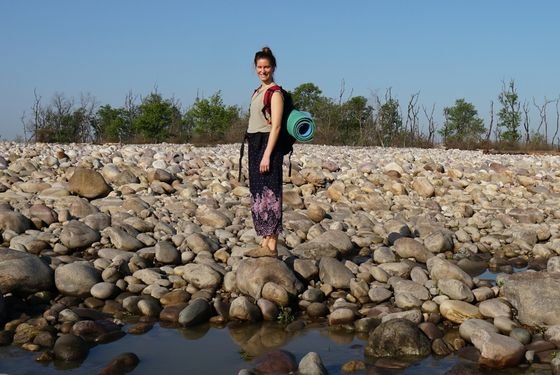
Nature Walks & Sacred Sites
Gentle walks into the hills and slow time by the sacred river — none of it compulsory, none of it rushed.
What's Included, What's Not, and What To Bring
- Accommodation (private and shared rooms available)
- Sattvic vegetarian food — 3 freshly prepared meals daily
- Free airport pickup from Dehradun Airport
- Printed and digital study materials
- One personal yoga mat, Neti pot & Rubber Neti kit
- Weekly excursions to temples and nearby places of interest
- 24/7 clean water supply, Wi-Fi and administrative support
- One complimentary Ayurvedic massage
- 200-hour Yoga Alliance USA RYT 200 completion certificate
 Comfortable Stay
 Sattvic MealsExcursionsCertification
A Peaceful Sanctuary to Rest, Nourish & Grow
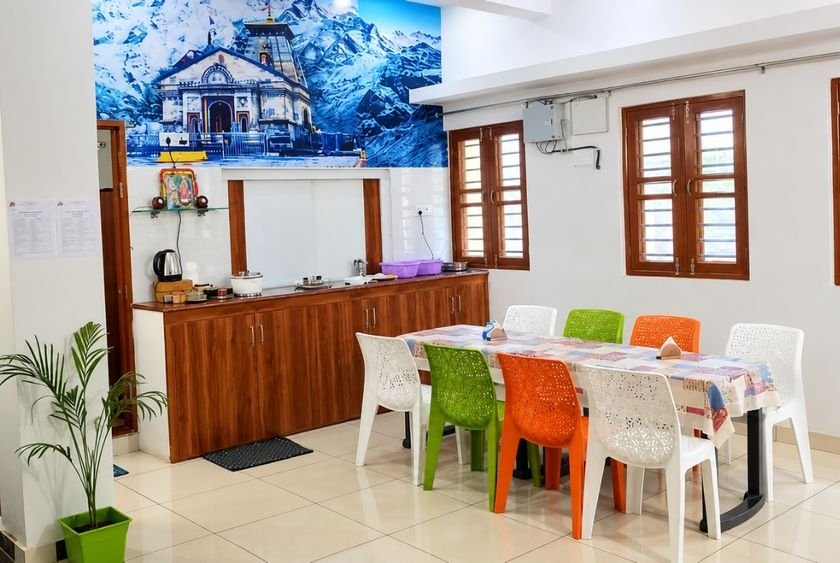
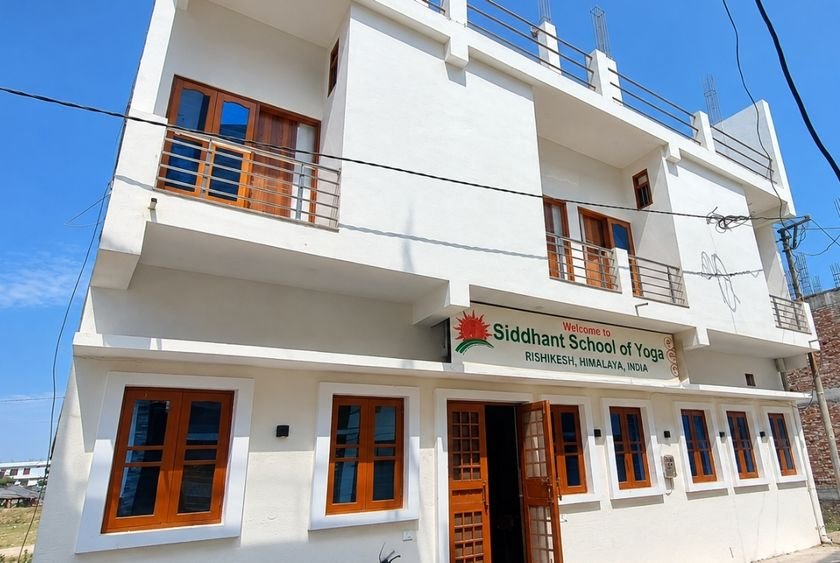
Your living environment is crucial to your yogic transformation. At Siddhant School of Yoga, we provide clean, serene accommodation, loving ashram staff, and freshly prepared Ayurvedic nourishment to keep your body vibrant and mind tranquil.
Three Sattvic Yogic Meals Daily
Freshly prepared organic Ayurvedic vegetarian cuisine designed to purify digestion and support vigorous daily practice.
Peaceful Private & Shared Rooms
Immaculately clean rooms with attached modern bathrooms, 24/7 hot water, comfortable mattresses, and mountain views.
Sunlit Rooftop & Yoga Shala
Dedicated wooden yoga hall equipped with mats, blocks, belts, and bolsters for quiet self-practice and group sadhana.
High-Speed Wi-Fi & Laundry Services
Reliable internet throughout the ashram, on-site laundry services, filtered drinking water, and round-the-clock assistance.

What Happens After the Course
Your journey doesn't end on the last day — we stay with you for 100 days and beyond.
100-Day Practice Schedule
A personalized 100-day daily practice schedule to build lifelong discipline, so your training keeps deepening long after the course ends.
Direct Ongoing Support
Direct WhatsApp and email support for feedback and motivation for the full 100 days, plus lifetime academic guidance from our master teachers on asana, teaching queries and yoga philosophy.
Global Alumni Network
Access to a global alumni network of fellow yoga teachers worldwide, with collaboration and teaching-opportunity connections through the community.
Yoga Alliance Registration
Step-by-step assistance registering with Yoga Alliance as an RYT 200, plus continued mentorship directly from Acharya Siddhant as you begin teaching.
Learn Directly from Dedicated Yogis
Our faculty combines decades of traditional monastic training in the Himalayas with deep scientific knowledge in biomechanics, alignment, and subtle energetic anatomy.
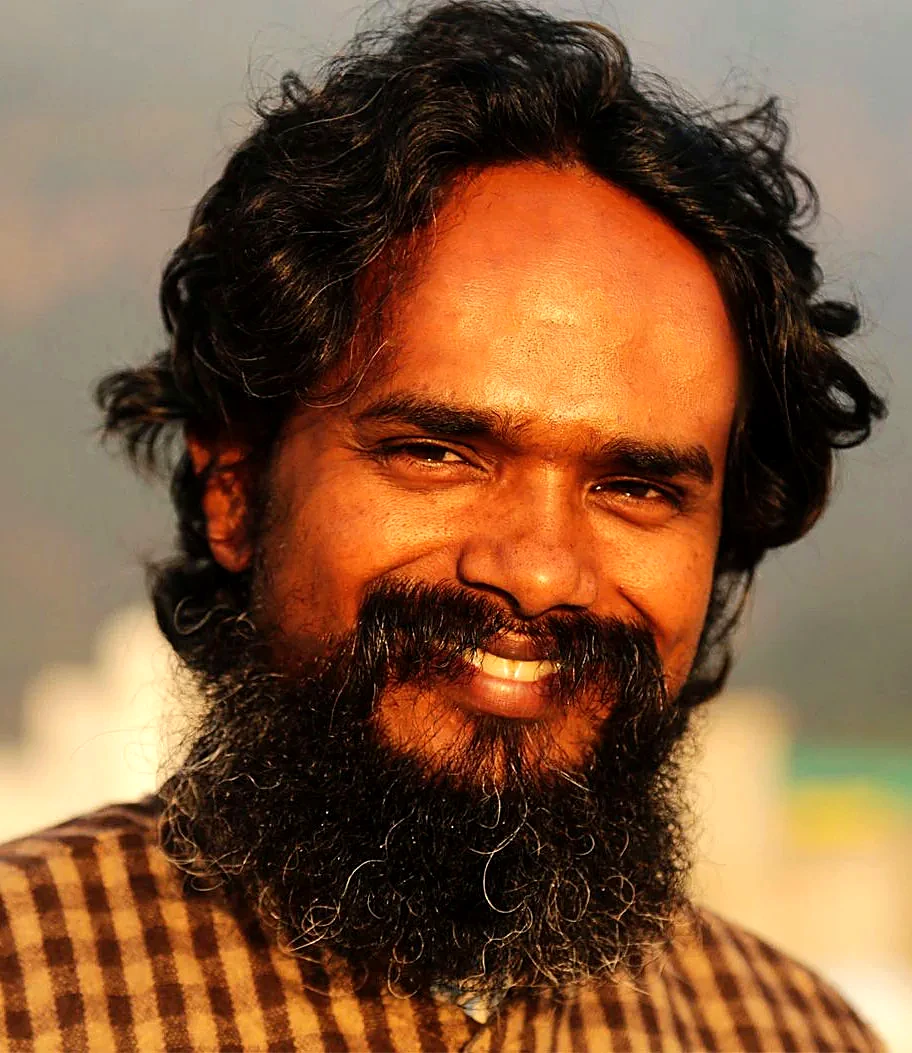
Siddhant Ji
Spiritual Master & Founder

Manpreet
Meditation & Mantra Guru
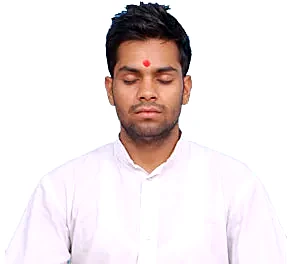
Sandeep
Mantra Science & Alignment

Hemlata
Yoga Anatomy & Physiology

Vishal
Hatha & Ashtanga Master

Varun
Ashtanga & Hatha Instructor
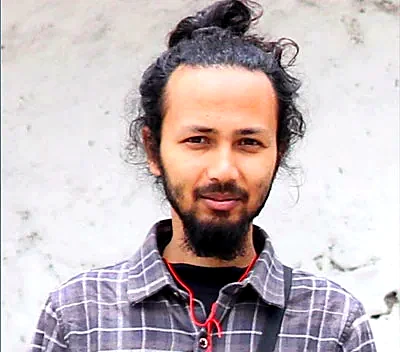
Kokil Nath
Asana & Philosophy Teacher

Chittaranjan
Pranayama & Kriyas Master
Experience Life at Siddhant School of Yoga
Watch authentic moments from our Rishikesh ashram — student transformations, sacred Vedic mantra chanting, Kundalini energy awakening, and daily sadhana.
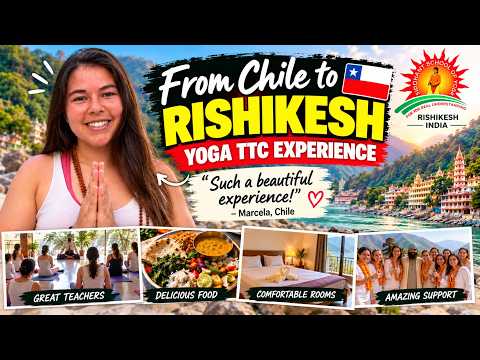
Siddhant School of Yoga Review: My Amazing 200 Hour Yoga Teacher Training in Rishikesh
A genuine testimonial from our international graduate sharing her personal transformation, daily sadhana, and teaching journey in Rishikesh.
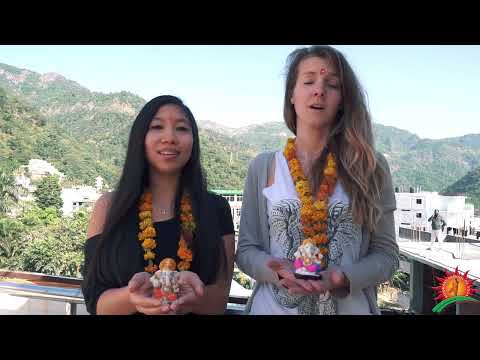
Ganesh Mantra Chanting during 200 hours Yoga Teacher Training Course in Rishikesh, India
Experience the sacred vibrations of morning Vedic chanting and prayer ceremony led by our monastic masters at the Rishikesh ashram.

Why to discover Chakra for Kundalini Yoga?
Acharya Siddhant explains the authentic yogic science of discovering and activating your dormant energy centers (Chakras).

Why Discover your Chakra — The Subtle Energy Body
A deep insight into understanding the spiritual physiology beyond physical postures and moving towards self-realization.
What Happens After You Enquire
Send an Enquiry
Reach out via WhatsApp, call or the contact form below.
Speak With Our Team
We'll help you pick the right batch dates and room type.
Confirm Your Seat
Secure your spot with a simple booking confirmation.
Prepare for Rishikesh
Receive a pre-arrival guide with packing & travel tips.
Begin Your Training
Arrive in Rishikesh and start your 200-hour journey.
200-Hour Yoga TTC — Frequently Asked Questions
Yes. Siddhant School of Yoga's 200-hour and 300-hour courses are certified by Yoga Alliance USA, and the 500-hour program is a combination of both. After completing the course, you're qualified to teach yoga worldwide. Note: to officially become a Registered Yoga Teacher (RYT), you'll need to separately register with Yoga Alliance for a fee of around $115. Yoga Alliance's global community includes 70,000+ RYTs and 30,000+ Registered Yoga Schools.
The main requirement is having the "right attitude" toward learning yoga. Beyond that, applicants should meet these conditions:
- Be in good physical condition
- Be open-minded and eager to learn/practice yoga
- Commit to 9–10 hours of daily practice with 100% attendance
- Follow a vegetarian diet during the course
- Avoid alcohol, drugs, and smoking
- Have basic English proficiency
- Be between 18–60 years old
- Not have had surgery in the past year
- Not bring children along
You'll need two clear color photocopies of your passport (plus the original for verification), two passport-size color photographs, and details of your visa expiry date. A valid Indian Tourist Visa is mandatory before traveling to India.
Yes. Foreign nationals must arrange an Indian Tourist Visa in advance, either through the Indian embassy or a visa service, before departure. It's also recommended to sort out health/travel insurance and banking arrangements before you leave home.
You may arrive a day early to settle in. On arrival, you'll check into your room, rest, then complete your application form and pay any remaining fees before receiving your schedule and a facility tour. On day one: a Hatha Yoga class (8–9 am), breakfast, a traditional fire ceremony (10:30 am), a group photo, study materials, lunch, and rest — followed by a 3 pm orientation covering teachers, syllabus, rules, food, and accommodation. The course then begins officially with an evening Ashtanga Yoga class.
The school provides yoga education, meals, and accommodation, but you should bring: two passport-size photos, your phone and charger, any electronics you use (laptop, camera, tablet), an ATM/debit card, comfortable season-appropriate yoga clothing and shoes, a travel towel, a first-aid kit with basic medications, and any personal essentials. Avoid bringing expensive jewelry or valuables, as the school isn't responsible for theft.
Prices vary by school and season, but most 200-hour programs range roughly from $450–$1,350 USD (₹15,000–₹55,000), typically including shared accommodation, vegetarian meals, and study materials. Private rooms and peak-season dates usually cost more.
Yes — a Yoga Alliance–recognized 200-hour YTT is the internationally accepted minimum standard for registering as a yoga teacher (RYT-200). It qualifies you to teach foundational-level classes; many teachers go on to complete a 300-hour course to reach RYT-500 status for more advanced credentials.
Yes, most 200-hour programs welcome beginners as well as experienced practitioners, since the curriculum builds foundational asana, philosophy, anatomy, and teaching skills from scratch. That said, a reasonable level of fitness and the ability to commit to long daily practice hours (often 9–10+ hours) is expected.
Since certification depends on completing the full contact-hour curriculum, most Yoga Alliance–certified schools require close to 100% attendance. Missing significant class time can lead to delayed certification, required makeup sessions, or in some cases no certificate at all — so it's best to confirm the school's specific attendance and makeup policy before enrolling.
Have Questions? Let's Talk
Our team typically responds within a few hours. Reach us directly and we'll help you plan your training.