



500-Hour Yoga & Ayurveda Teacher Training in Rishikesh
Where Ayurveda meets yoga — an advanced 8-week residential training combining the full 200 + 300 hour yoga curriculum with a dedicated Ayurveda module, for true holistic wellness teaching.
What Is the 500-Hour Yoga & Ayurveda Teacher Training Course?

Siddhant School of Yoga presents a 500-Hour Yoga & Ayurveda Teacher Training in Rishikesh, approved by Yoga Alliance USA. It combines the full 200-Hour and 300-Hour yoga curriculum with a dedicated Ayurveda module, for serious practitioners and aspiring teachers who want complete transformation of body, mind and consciousness.
Across roughly eight residential weeks, students deepen their practice of Hatha and Ashtanga yoga, philosophy, meditation, mantra, anatomy and physiology, and learn the holistic wisdom of Ayurveda — doshas, digestion, daily routines, diet and herbs — to guide students toward true balance. This course is a milestone in personal and professional growth: students leave not only with a certificate, but with a deeper sense of self, a balanced lifestyle, and the confidence to guide others toward holistic wellness.
“Ayurveda meets yoga: advanced 500 Hour teacher training in Rishikesh for true wellness.” — Acharya Siddhant
500-Hour Yoga & Ayurveda TTC in Rishikesh — Quick Facts
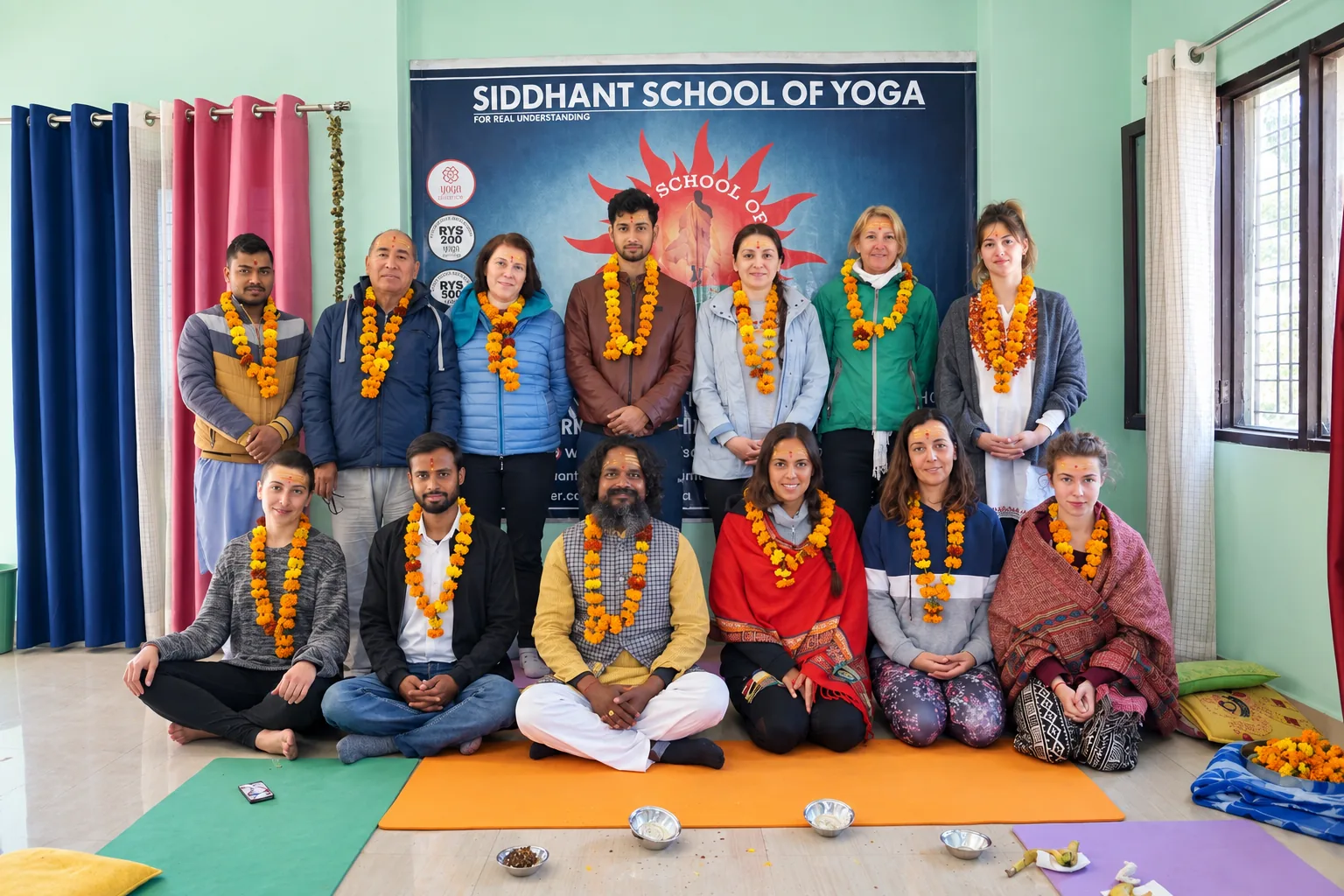
“Becoming a 500-Hour Yoga & Ayurveda certified teacher in Rishikesh”
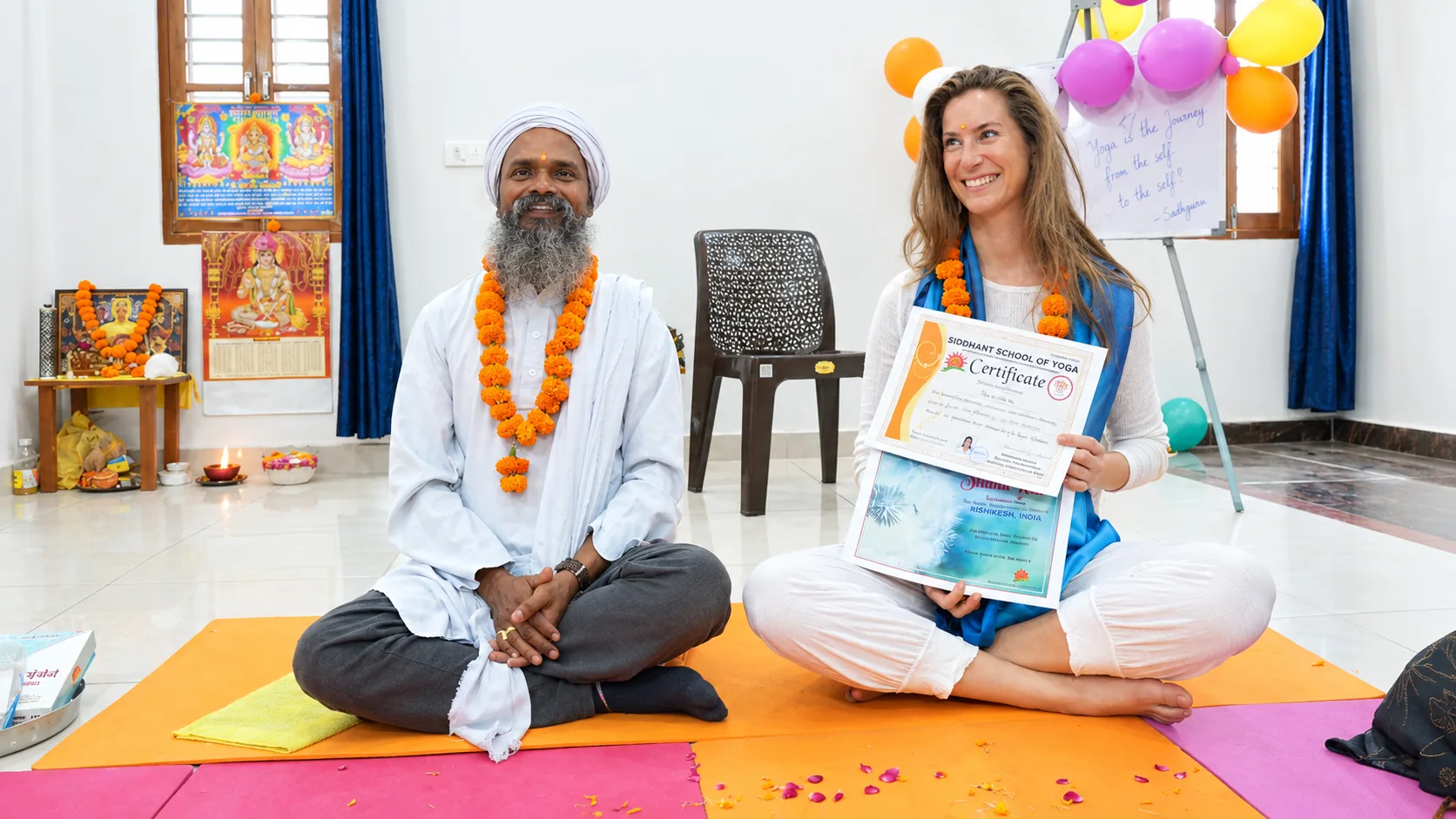
A Message From Acharya Siddhant
“Ayurveda meets yoga: advanced 500 Hour teacher training in Rishikesh for true wellness.”
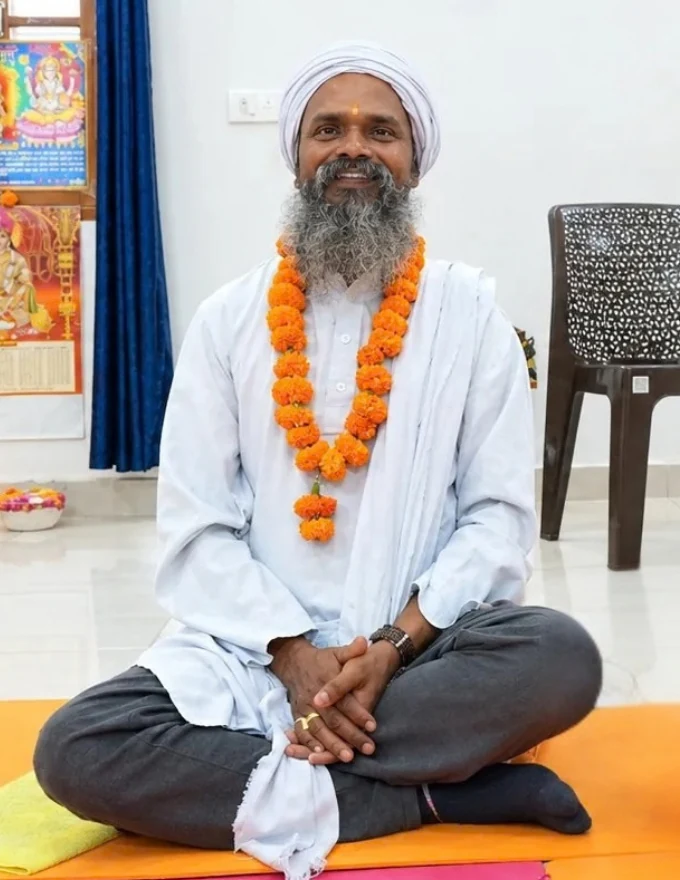
I personally oversee every 500-Hour Yoga & Ayurveda batch at Siddhant School of Yoga, because I believe complete transformation needs both sciences together — yoga to steady the mind and body, and Ayurveda to understand and nourish them. This course is not just about a certificate; it is about becoming a teacher who understands the whole person in front of them.
— Acharya Siddhant, Founder & Spiritual Director
What the 500-Hour Yoga & Ayurveda Curriculum Covers
Techniques, Training & Practice
Asana · Pranayama · Meditation · Mantra
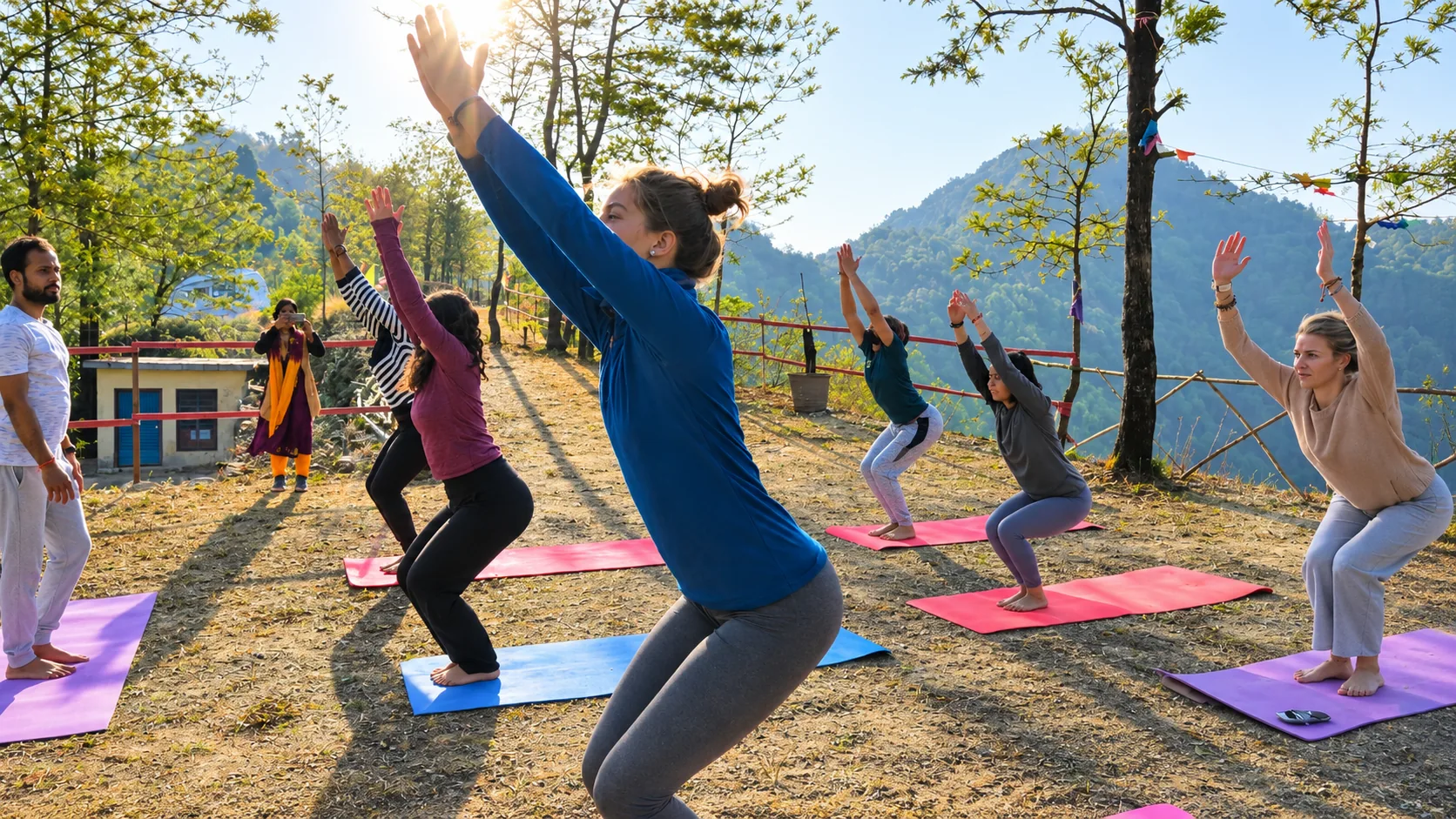
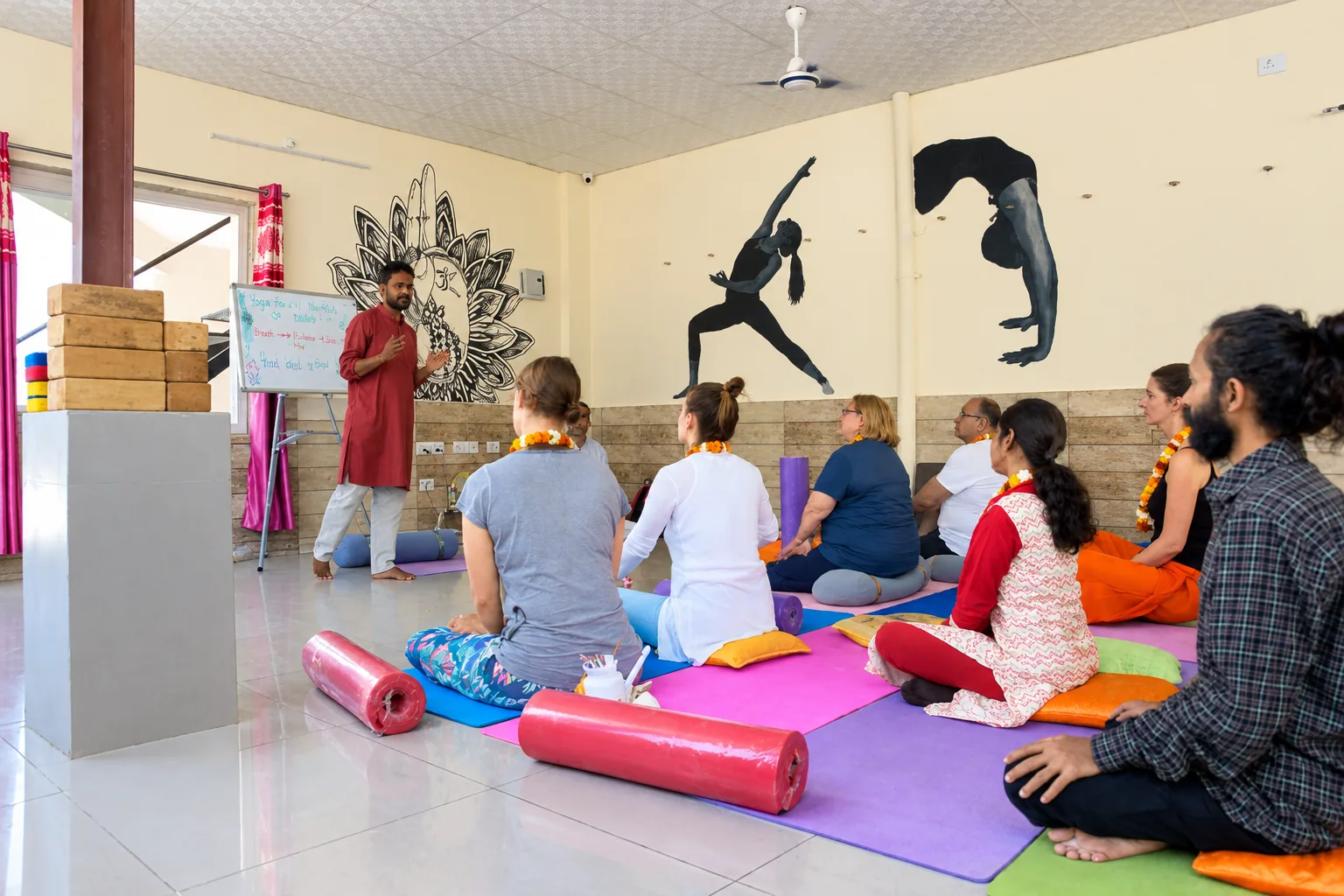
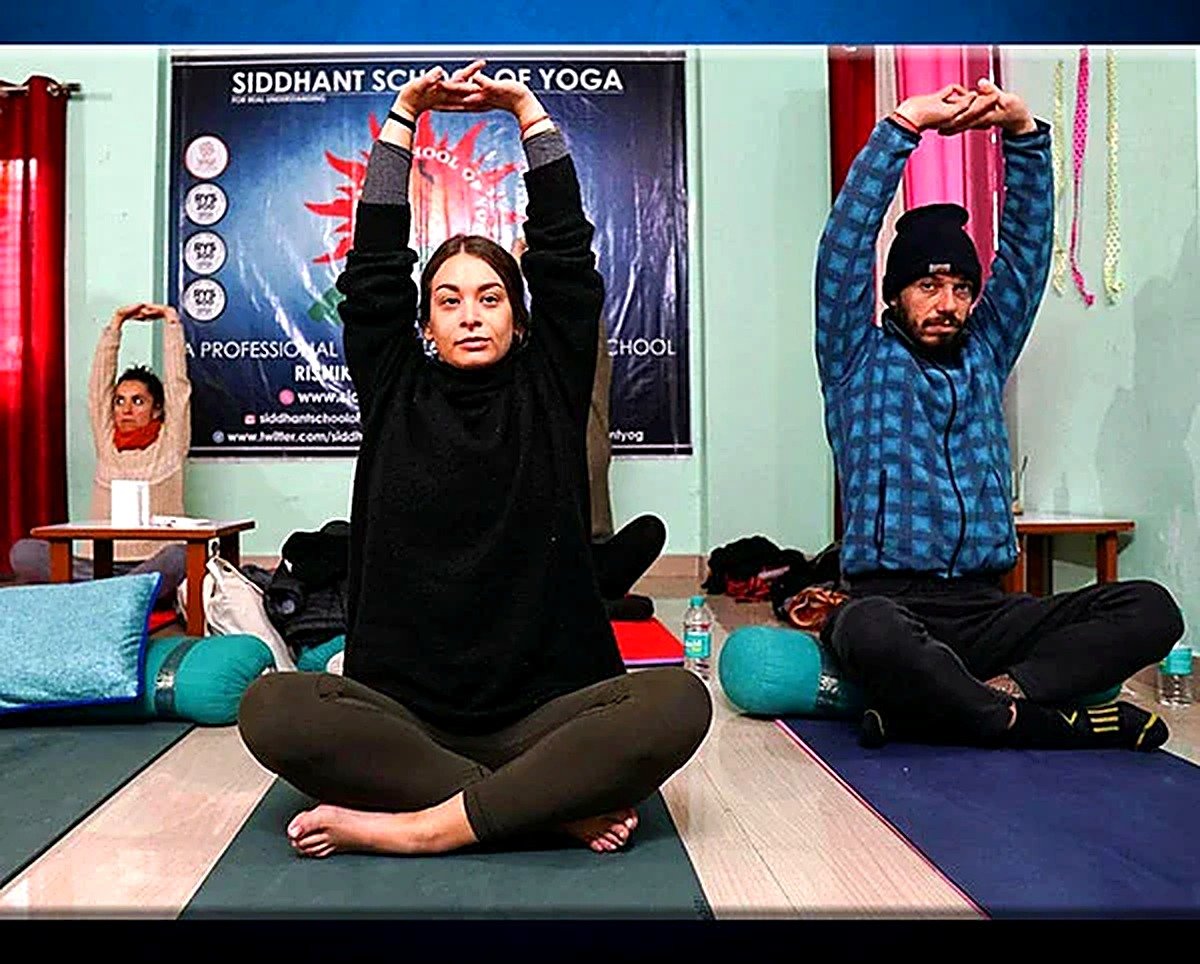
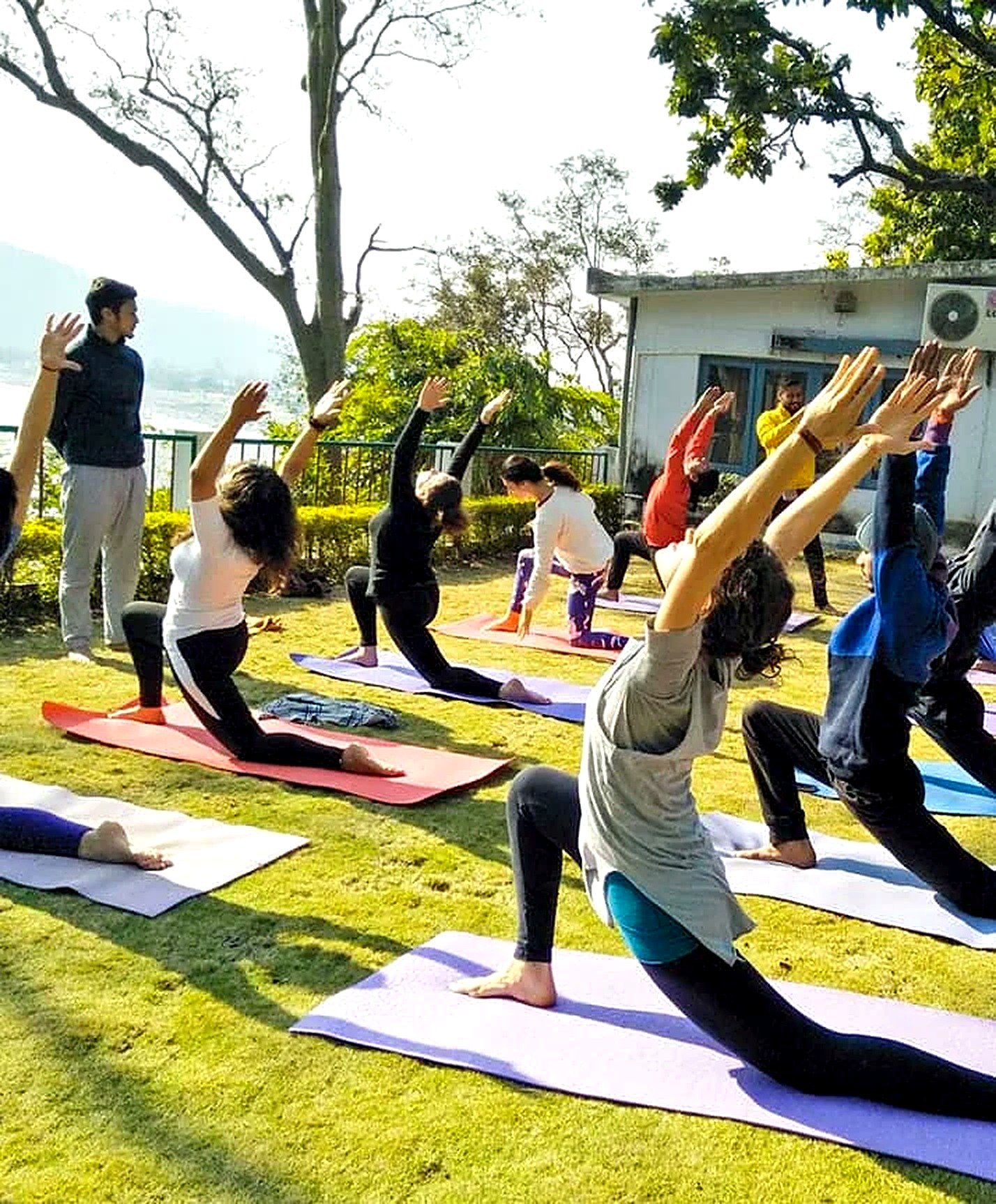
You will practice Hatha and Ashtanga yoga poses, breathing exercises, hand gestures, body locks, cleansing techniques, meditation and chanting every day, with close guidance.
Anatomy & Physiology
Body · Breath · Subtle Energy
Learn how your bones, muscles, breath and nerves work together, plus the body's energy channels and chakras, so you can teach safely and with confidence.
Yoga Humanities
History · Philosophy · Ethics
Understand the old yoga texts, the Eight Limbs of Yoga, where this tradition comes from, and how a good yoga teacher should behave.
Ayurveda & Holistic Wellness
Doshas · Diet · Daily Routine
Learn your own dosha, how to eat and live in balance with it, and the basic herbs and self-massage techniques that support daily Ayurvedic living.
Part 1 — 200-Hour Foundation
Beginner postures: Prarambhik Sthiti, Padanguli Naman, Goolf Naman, Goolf Chakra, Goolf Ghooran, Janu Naman, Janu Chakra, Mustika Bandhana, Manibandha Naman, Manibandha Chakra, Kehuni Naman, Kehuni Chakra, Skandha Chakra, Greeva Sanchalana, Rajju Karshan Asana, Chakki Chalanasana, Nauka Sanchalanasana, Kauva Chalasana, Marjari Asana, Ardha Titali Asana, Poorna Titali Asana, Shroni Chakra, Butterfly Pose, Namaskarasana, Vayu Nishkasana, Supta Vajrasana.
Intermediate postures: Kashtha Takshan Asana, Gatyatmak Meru Vakrasana, Vyaghrasana, Surya Namaskara, Moon Salutation, Sun Salutation variations, Paschimottanasana, Janu Sirsasana, Ushtrasana, Sarpasana, Dhanurasana, Setu Bandhasana, Supta Udarkarshanasana, Shava Udarkarshanasana, Tiryak Bhujangasana, Udarkarshanasana, Trikonasana, Naukasana, Navasana, Salabhasana.
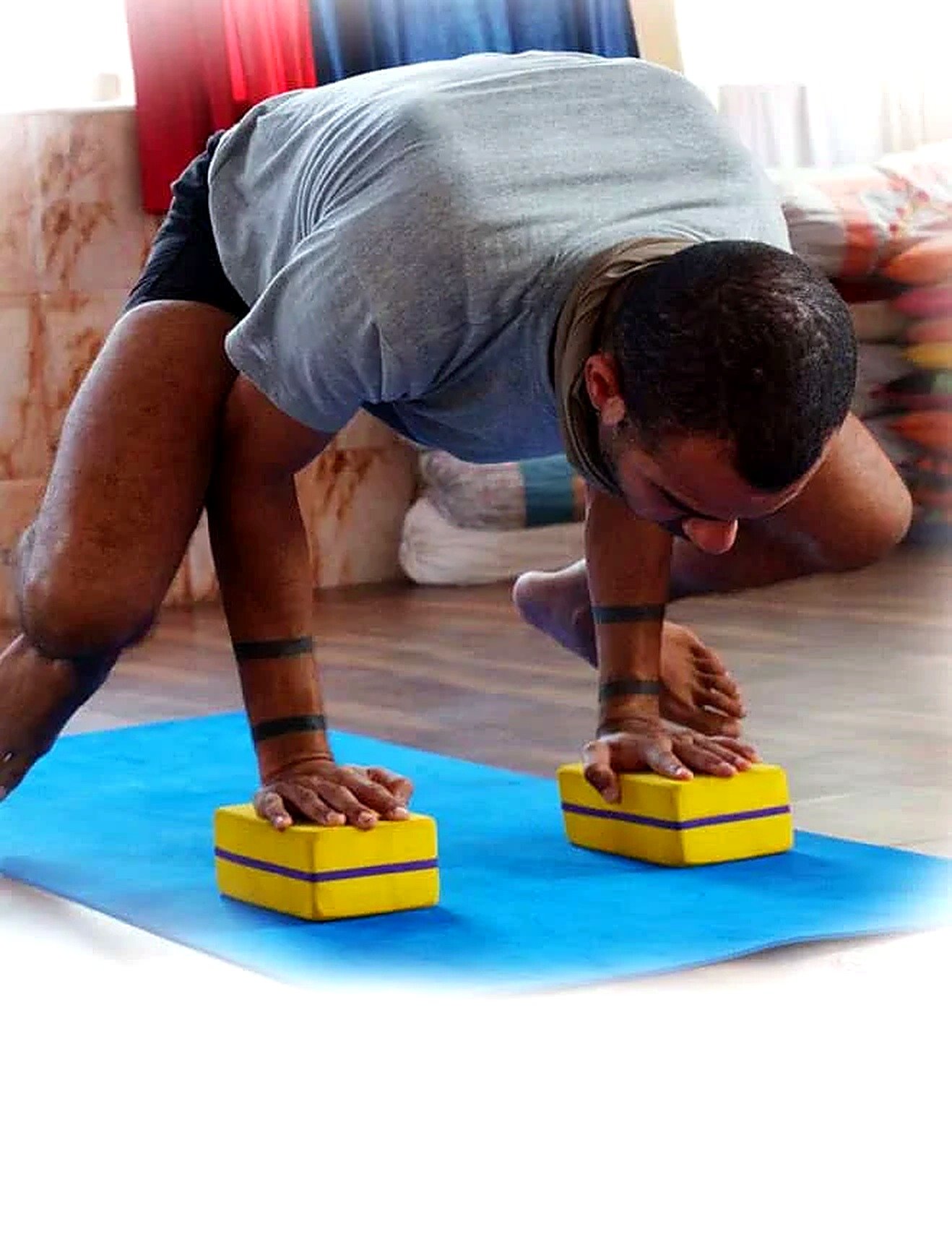
Advanced postures: Hanumanasana, Kurmasana, Chakrasana, Garudasana, Bakasana, Sirsasana, Vrischikasana, Mayurasana, Padotthanasana, Padachakrasana, Pada Sanchalanasana.
Meditative & seated postures: Vajrasana, Sukhasana, Ardha Padmasana, Padmasana, Siddhasana.
Foundation: Surya Namaskar A & B, understanding vinyasa (the movement-breathing system), joint mechanics and modifications.
Standing postures: Padangusthasana, Padahastasana, Trikonasana, Parivrittatrikonasana, Parsvottonasana, Virabhadrasana I & II, Utthitaparsvakonasana, Parivrittaparsvakonasana, Prasaritapadottanasana, Utthita Hasta Padangusthasana, Ardhabaddha Padma Uttanasana, Utkatasana.
Seated series: Dandasana, Janu Sirsasana, Ardhabaddha Padma Paschimottanasana, Triangamukaikapada Paschimottanasana, Paschimottanasana, Purvottasana, Marichyasana, Paripurnanavasana, Bhujapidasana, Adhomukhavrksasana, Kurmasana, Kukkutasana, Garbhapindasana, Baddhakonasana, Upavistakonasana, Suptakonasana, Suptapadangustasana, Ubhayapadangustasana, Urdvhamukhapaschimottanasana, Setubandhasana, Urdvhadhanurasana, Suptakurmasana.
Finishing postures: Salamba Sarvangasana, Halasana, Karnapidasana, Urdvhapadmasana, Pindasana in Sarvangasana, Matsyasana, Uttanapadasana, Padmasana, Tolasana, Savasana.
- Importance of proper alignment and adjustment
- Definition and principles of alignment
- Hands-on adjustment techniques
- Safety and modification protocols
Foundational concepts: The five Koshas (sheaths), the seven Chakras, Nadis (energy channels), definition and aspects of Pranayama, its importance and sequencing, and preparation techniques.
- Yogic inhalation (Abdominal, Thoracic)
- Inner and outer retention
- Udgeeth Pranayama
- Kapalbhati
- Surya Bhedi Pranayama
- Chandra Bhedi Pranayama
- Alternate breathing (Nadi-Shodhana)
- Bhastrika
- Bhramari Pranayama
- Ujjayi Pranayama
- Sheetali Pranayama
- Sheetkari Pranayama
- Rules, regulations & precautions
- Teaching methodology for Pranayama
- Definition and importance of Bandha
- Mula Bandha (root lock)
- Uddiyana Bandha (abdominal lock)
- Jalandhara Bandha (throat lock)
- Maha Bandha (great lock)
- Definition and implementation
- Jnana Mudra
- Chin Mudra
- Bhairav Mudra
- Bhairavi Mudra
- Nashikagra Mudra
- Ashwani Mudra
- Introduction to yogic purification practices
- Importance and benefits
- Jal Neti (nasal cleansing)
- Kapalbhati (skull shining)
- Trataka (concentrated gazing)
- Kunjal Kriya (stomach cleansing)
- Sutra Neti / Rubber Neti (thread cleansing)
- Understanding relaxation
- Muscular relaxation methods
- Deep breathing relaxation
- Tense-relax progression
- Partial body relaxation
- Full-body relaxation
- Mental relaxation practices
Theory: Definition of meditation, understanding meditation as a path, preparation and practice methods, and practical meditation aspects.
- OM meditation
- Active meditation
- Candle Tratak meditation
- Mirror Tratak meditation
- Anapana meditation (breath awareness)
- Vipassana meditation (insight)
- Inactive meditation
- Dance meditation
- Five senses meditation
- Spine awareness meditation
- Spinal breathing meditation
- Chakra meditation
- Chakra balancing meditation
- Mudra meditation
- Teaching methodology for meditation
- Definition and importance
- Body awareness practices
- Finding sensation
- Identifying blind spots
- Yoga Nidra practice techniques
- Importance of gratitude
- Definition and philosophy
- Practical gratitude cultivation methods
Concepts: Definition of Mantra, definition of Mantra chanting, its importance and benefits, types of mantras, and proper pronunciation.
Mantras taught: Ganesh Mantra, Guru Mantra, Gayatri Mantra, Mahamrityunjaya Mantra, Universal Prayer Mantra, Shanti (Peace) Mantra.
Skeletal system: Joint movements (flexion, extension, abduction, adduction), joint stabilization and mechanics in yoga practice, bone system and types, types of joints, effect of asana on the skeletal system.
Muscular system: Major muscle groups, muscle function and movement, and muscle strengthening through asana.
- Digestive system and yoga
- Respiratory system mechanics
- Nervous system and its connection to pranayama & meditation
Fundamentals: Definition of philosophy, understanding problems and growth, the Panch Kosha (five sheaths) theory, kosha balancing, the nature of mind, and an introduction to Indian philosophy.
Ashtanga Yoga — the Eight Limbs:
- Yama (ethical restraints)
- Niyama (observances)
- Asana (postures)
- Pranayama (breath control)
- Pratyahara (sense withdrawal)
- Dharana (concentration)
- Dhyana (meditation)
- Samadhi (liberation)
Includes the history of yoga traditions, different types of yoga, Raja Yoga, and Patanjali's Yoga Sutras.
- Yoga and ethical teaching principles
- Yoga Alliance relationship and standards
- Personal, professional & spiritual growth connection
- Ethics of practice
- Ethics of teaching
- Professional development definition
- Yoga and career advancement
- The RYT (Registered Yoga Teacher) pathway
- Yoga business and commercialization
- Continuing education options
- Marketing & promotion strategies
Fundamentals: Ayurveda's definition and principles, the yoga–Ayurveda relationship, and Ayurveda in practical life.
The three Doshas: Vata, Pitta and Kapha characteristics, body types & constitution, definitions of disease and health, and an introduction to basic herbs.
- Class sequencing & pacing
- Environment creation
- Cueing & instruction
- Class management & preparation
- Positive, conscious communication
- Voice tone and modulation
- Demonstration techniques (passive & active)
- Offering and using props
- Individual student observation
- Hands-on adjustments
- Practicum definition and importance
- Teaching practice protocols
- Supervised student-teaching sessions
- Feedback from master teachers
- Development of teaching confidence
- Yoga Alliance registration process
- RYT (Registered Yoga Teacher) pathway
- E-RYT advanced registration
- RYS (Registered Yoga School) standards
- Certificate requirements and procedures
Part 2 — 300-Hour Advanced
- Arm balances (Bakasana, Astavakrasana and beyond)
- Deep backbends and safe backbend progressions
- Inversions (Sirsasana, Sarvangasana, Vrischikasana)
- Safe, confident hands-on adjustment techniques
- Modification and injury-prevention protocols
Advanced breathwork: Kumbhaka (breath retention), advanced Bandhas and Mudras, and traditional techniques used to awaken and channel Kundalini energy safely.
Practice: Daily supervised Kundalini and chakra-focused sessions building on the pranayama foundation from Part 1.
- Yoga Sutras of Patanjali — deeper study
- Bhagavad Gita — yogic teachings
- Hatha Yoga Pradipika
- Gheranda Samhita
- Injury prevention in advanced postures
- Joint mechanics under load
- Subtle and energetic anatomy (Nadis, Chakras)
- Applied biomechanics for teaching advanced students
- Advanced class sequencing
- Running workshops and retreats
- Setting up and managing a yoga business or centre
- Marketing and student communication
Part 3 — Ayurveda Module
Foundations: What Ayurveda is, its relationship to yoga as a sister science, and the Panchamahabhuta (five elements) that underlie all creation.
The three Doshas: Vata, Pitta and Kapha — their qualities, functions in the body and mind, and how imbalance leads to disease.
- Agni (digestive fire) and its role in health
- The seven Dhatus (bodily tissues)
- Mala (waste products) and healthy elimination
- Srotas (bodily channels) and how they relate to disease
- Determining your birth constitution (Prakriti)
- Identifying your current imbalance (Vikriti)
- One-on-one consultation with an Ayurveda teacher
- A practical starting point for your own dosha-balancing routine
- Six tastes (Rasas) and dosha-balancing food choices
- Building a personalized, dosha-appropriate daily diet
- Dinacharya — the ideal daily routine from waking to sleep
- Mindful eating and proper food combinations
- How the doshas shift with the seasons
- Adjusting diet and lifestyle through the year
- Preventing seasonal imbalance before it starts
- Common Ayurvedic herbs and their everyday uses
- Simple home remedies for digestion, sleep and stress
- Safe use of herbs alongside a yoga lifestyle
- The purpose and benefits of daily oil self-massage
- Dosha-appropriate oil selection
- Hands-on Abhyanga practice and technique
- Using Abhyanga for grounding and nervous-system care
- Choosing asana and pranayama for your dosha type
- Sequencing a class with Ayurvedic principles in mind
- Guiding students toward a balanced, sattvic lifestyle
Who Should Join the 500-Hour Yoga & Ayurveda TTC in Rishikesh
 01
01Aspiring RYT-500 Teachers
Practitioners who want to become yoga teachers with an added Ayurvedic specialization, earning the complete master-level Yoga Alliance credential in one program.
 02
02Wellness Professionals
Therapists, nutritionists and wellness practitioners who want to combine yoga and Ayurveda into one coherent, holistic practice they can teach and share.
 03
03Holistic Seekers
Anyone drawn to a fully holistic 8-week transformation of body, mind and lifestyle — not asana alone, but the complete yogic and Ayurvedic way of living.
 04
04200-Hour Graduates Going Deeper
Certified teachers who already hold a 200-hour credential and want to advance to RYT-500 while adding genuine Ayurvedic knowledge to their teaching.
01Aspiring RYT-500 Teachers
Practitioners who want to become yoga teachers with an added Ayurvedic specialization, earning the complete master-level Yoga Alliance credential in one program.
02Wellness Professionals
Therapists, nutritionists and wellness practitioners who want to combine yoga and Ayurveda into one coherent, holistic practice they can teach and share.
03Holistic Seekers
Anyone drawn to a fully holistic 8-week transformation of body, mind and lifestyle — not asana alone, but the complete yogic and Ayurvedic way of living.
04200-Hour Graduates Going Deeper
Certified teachers who already hold a 200-hour credential and want to advance to RYT-500 while adding genuine Ayurvedic knowledge to their teaching.
Why Siddhant School of Yoga Is the Right Choice for Your 500-Hour Yoga & Ayurveda TTC?
Master-Level Certification
Combines the 200-Hour foundation and 300-Hour advanced training, preparing you to register as RYT-500 with Yoga Alliance USA and teach worldwide.
In-Depth Yoga and Ayurveda
A complete curriculum from foundation to advanced level — Hatha, Ashtanga Vinyasa, pranayama, bandha, mudra, mantra, meditation, anatomy, Yoga Nidra, Ayurveda and philosophy — ending with real teaching practice.
A Genuinely Holistic Approach
Ayurvedic diet, daily lifestyle routines and cleansing practices are woven into the training, so you leave with a full mind-body understanding of wellness.
Learn in the Yoga Capital
Study by the Ganga in Rishikesh, the birthplace of yoga, deepening your learning and spiritual connection in the environment these sciences come from.
Personal Attention, Gurukul Style
Experienced gurus and therapists guide you personally, in the traditional teacher-to-student style rather than group-only instruction.
Unique Practices
Mantra science and Kundalini / chakra meditation raise energy and clear the nadis, giving you tools most 500-hour courses never touch.
Measurable Growth
Clear signs and parameters help you track your physical health, mental balance and understanding as the course progresses.
Small Batches
We keep every batch to just 10–15 students, so you get hands-on correction and direct, personal feedback throughout.
Hatha and Ashtanga, Together
Stability and strength from Hatha, stamina and rhythm from Ashtanga Vinyasa — a complete asana foundation for teaching any style.
The Science of Sound
Correct pronunciation and meaning of traditional mantras. From an Ayurvedic view, chanting calms the nervous system and helps balance the doshas.
A Family Environment
A small, caring community of students and teachers, with nutritious Ayurvedic food that supports your practice rather than working against it.
More Than a Certificate
This course helps redesign the subconscious mind, find purpose, and develop commitment, compassion and true knowledge — not just a diploma to frame.
By the end of your training, you don't just receive a certificate — you leave with the confidence to teach, a deeper personal practice, and a genuinely holistic understanding of yoga and Ayurveda as one way of life.



Upcoming 500-Hour Yoga & Ayurveda Batches
Everything you need for the roughly 56 residential days is already inside these numbers — from your room to your Ayurvedic meals to both certificates.
Fees include accommodation, three Ayurvedic meals daily, study material and both certificates. A USD 500 non-refundable deposit reserves your seat — the balance is paid on arrival.
Upcoming Batches, Next 12 Months
Each batch runs about 56 days · USD 500 deposit reserves your seat| Course Dates | Triple Sharing | Shared Room | Private Room | Seats | Enroll Now |
|---|---|---|---|---|---|
| 03 Oct – 28 Nov 2026 | USD 2,199 | USD 2,699 | USD 2,999 | Filling Fast | Enroll Now |
| 03 Nov – 28 Dec 2026 | USD 2,199 | USD 2,699 | USD 2,999 | Filling Fast | Enroll Now |
| 03 Dec 2026 – 28 Jan 2027 | USD 2,199 | USD 2,699 | USD 2,999 | Seats Available | Enroll Now |
| 03 Jan – 28 Feb 2027 | USD 2,199 | USD 2,699 | USD 2,999 | Seats Available | Enroll Now |
| 03 Feb – 28 Mar 2027 | USD 2,199 | USD 2,699 | USD 2,999 | Seats Available | Enroll Now |
| 03 Mar – 28 Apr 2027 | USD 2,199 | USD 2,699 | USD 2,999 | Seats Available | Enroll Now |
| 03 Apr – 28 May 2027 | USD 2,199 | USD 2,699 | USD 2,999 | Seats Available | Enroll Now |
| 03 May – 28 Jun 2027 | USD 2,199 | USD 2,699 | USD 2,999 | Seats Available | Enroll Now |
Daily Schedule of the 500-Hour Yoga & Ayurveda TTC
The daily rhythm follows the same residential structure as our other courses, with one key difference — the 11:30 AM to 12:30 PM slot is a dedicated Ayurveda class, not generic mantra chanting.
Time
Class
Note: This is an overview sample of the daily schedule. The daily schedule provided may vary according to the practice of the practitioner.
A day rooted in yoga practice and Ayurvedic living
What's Included, What's Not, and What To Bring
- About 56 days residential accommodation (triple, shared or private)
- Yoga Alliance USA RYT-500 completion certificate
- Separate Ayurveda module completion certificate
- Attached bathroom with hot water in every room type
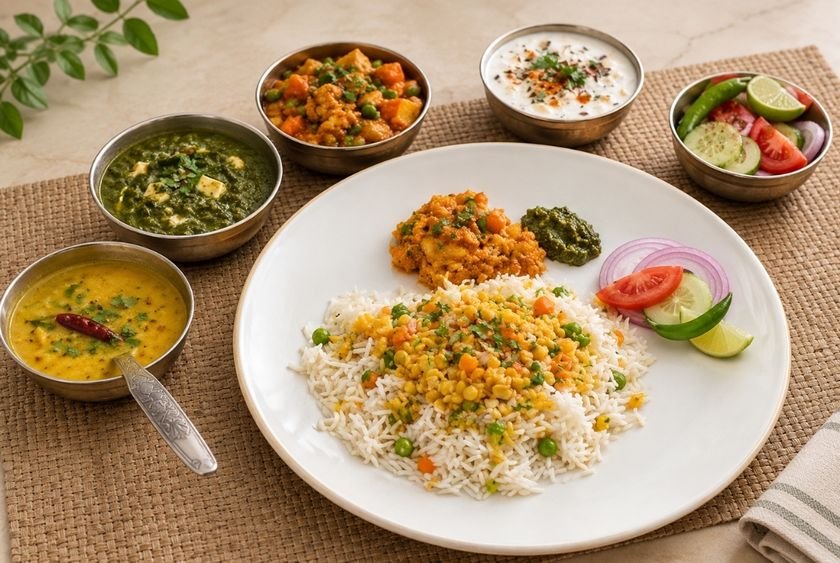
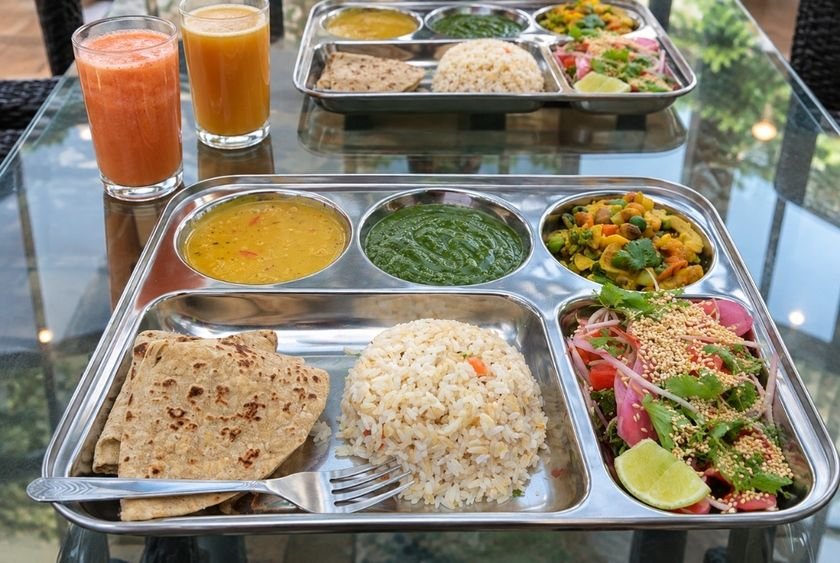
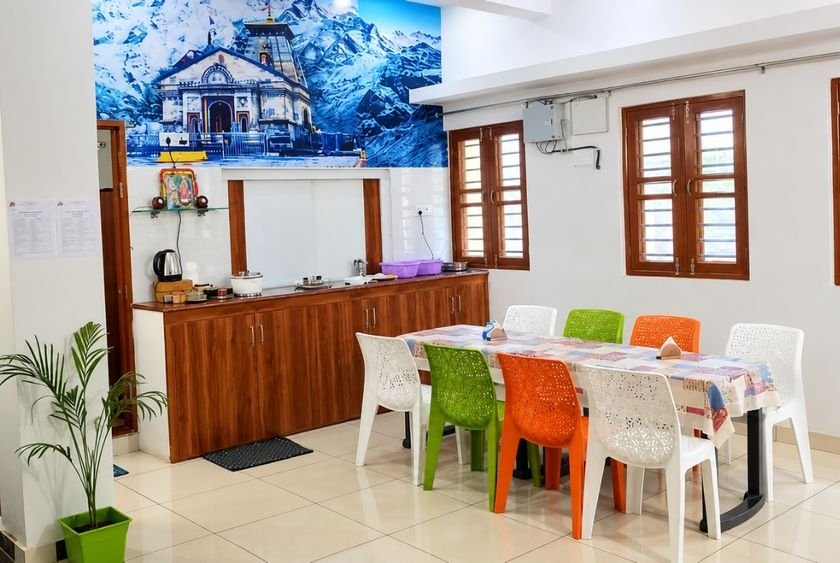
- Three Ayurvedic meals daily, adjustable to your dosha
- Herbal tea three times a day and filtered drinking water
- Free Wi-Fi across the campus
- Yoga mat, Jal Neti pot, rubber neti and Rudraksha mala
- Yoga bag and a complete course study manual
- A personal dosha assessment and a small herbal kit
- Notebooks and pens for daily classes
- Weekend excursions and free Dehradun Airport pickup
- One complimentary Ayurvedic massage
- Access to the yoga hall, props and study library
- 100-day post-course support after graduation
 Comfortable Stay
 Ayurvedic Meals
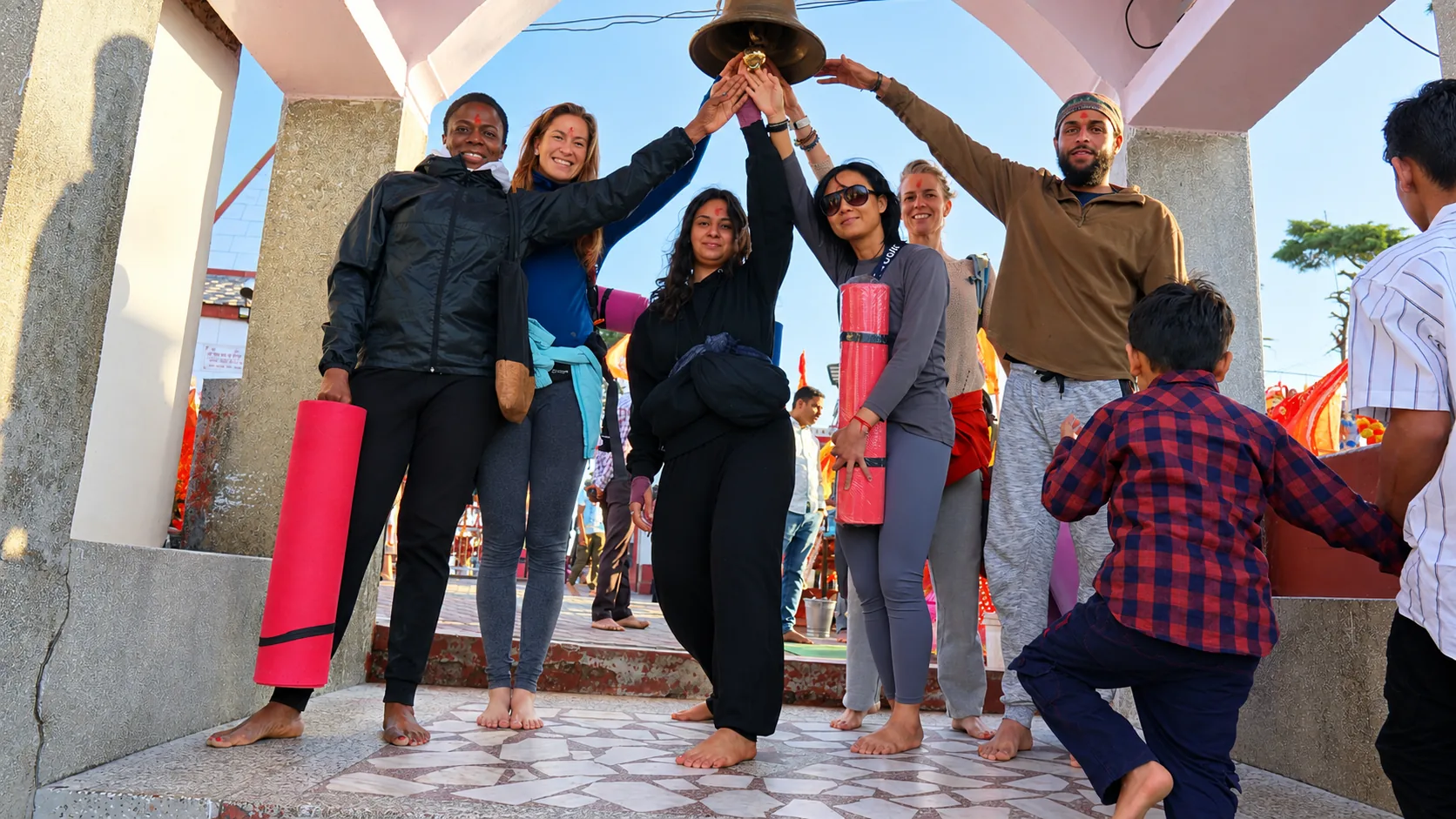 Excursions
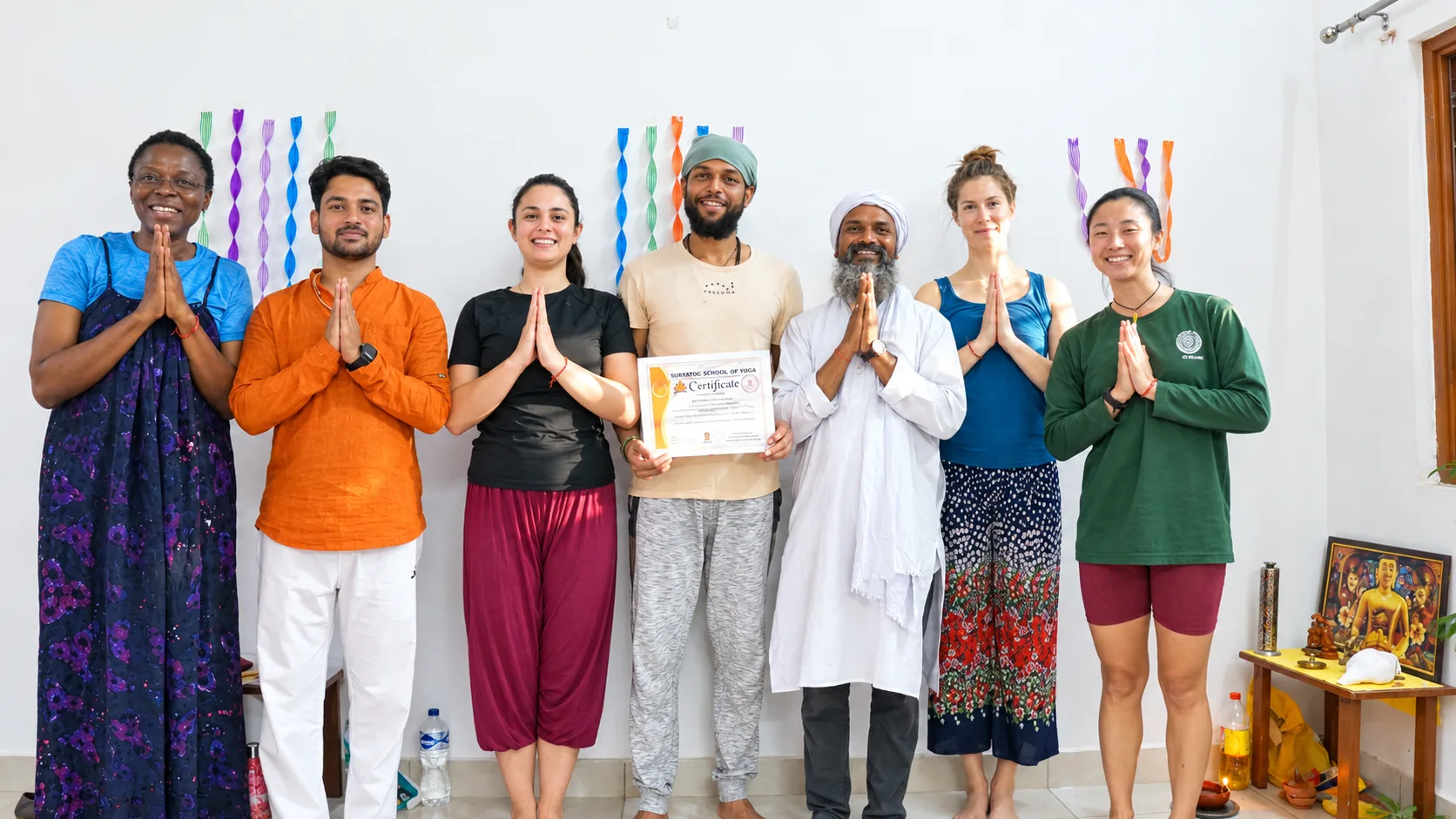 Certification
Ready to Master Yoga & Ayurveda Together in Rishikesh?
Seats are limited to keep our batches small and personal. Book early to lock in the early bird discount and secure your place.
Excursions & Holistic Life
A real education never stops at the edge of the yoga hall. Woven through the eight weeks are weekend excursions and a handful of small rituals that connect your yoga and Ayurveda studies to the living culture all around you — for many students, these turn out to be the memories they hold onto longest.
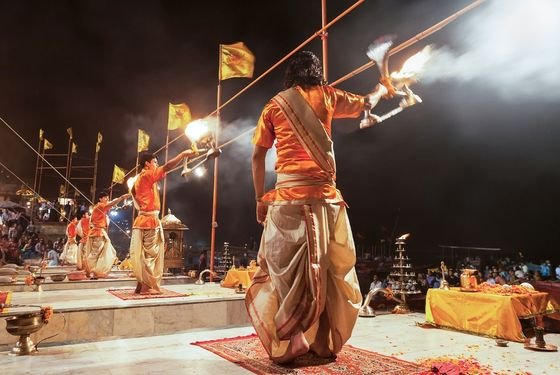 01 · At Dusk
The Evening Ganga Aarti
As dusk falls, walk down to the Ganges for the aarti — priests circle great brass lamps and the whole bank glows amber against the dark. A grounding, Ayurvedic close to the day.
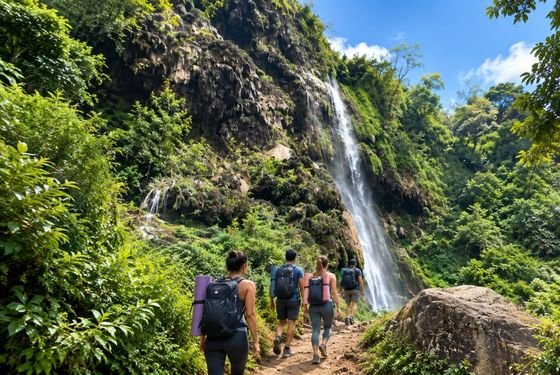 02 · On Rest Days
Waterfall Treks
On rest days, a short trek climbs to the waterfalls hidden in the hills above Rishikesh — cold water, green shade and the best kind of tired.
 03 · Some Mornings
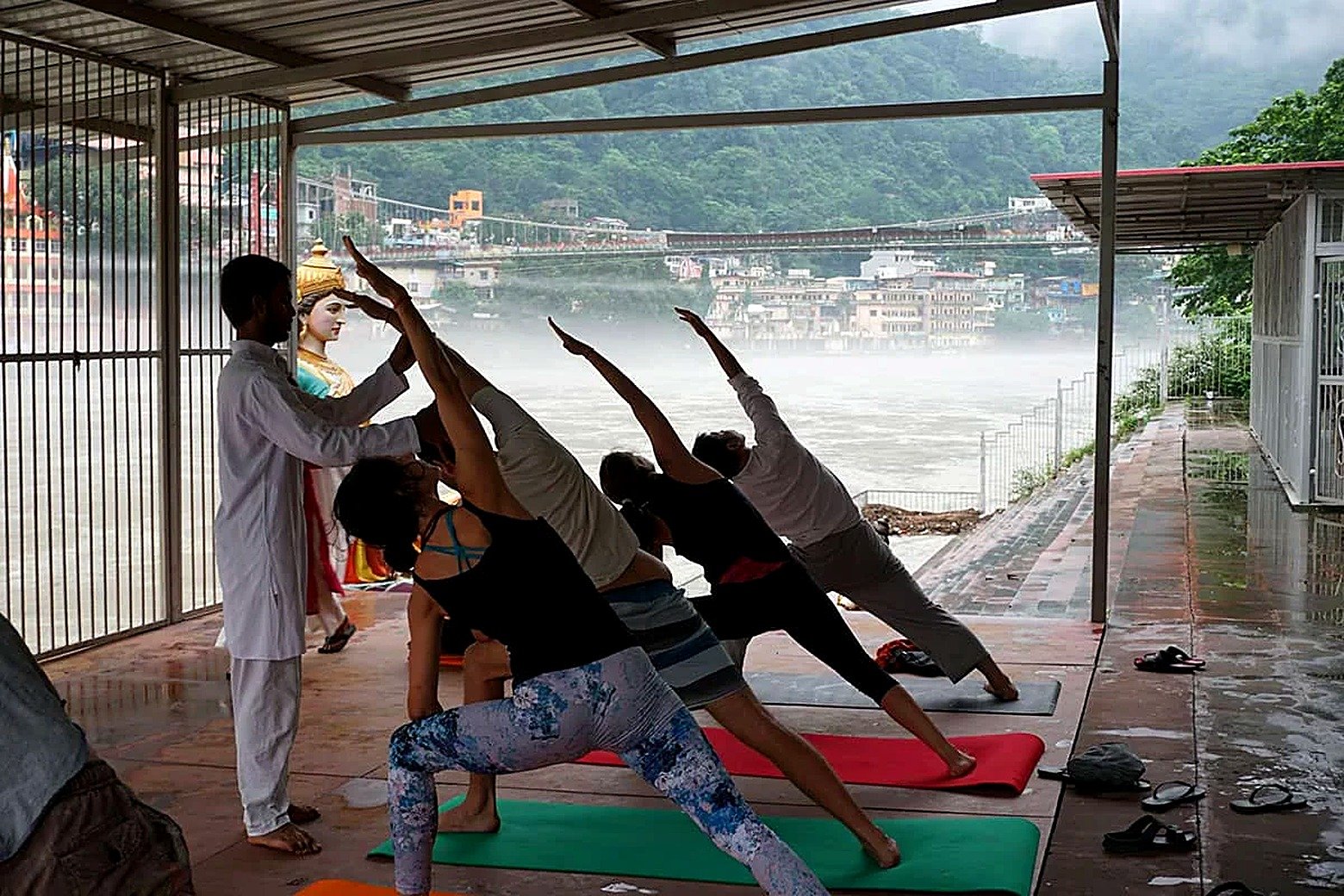
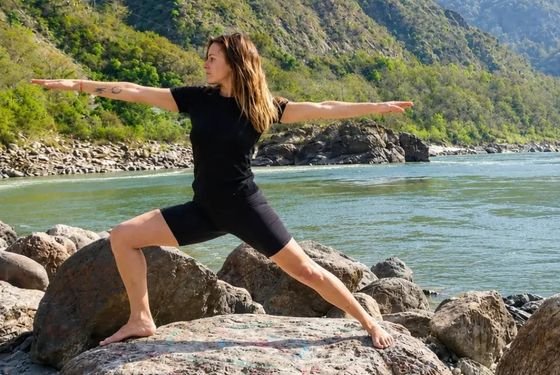
Yoga on the Ganges Ghat
Some sessions leave the yoga hall entirely — asana and meditation right on the riverbank, with the Ganges moving past as your soundtrack.
 04 · In Silence
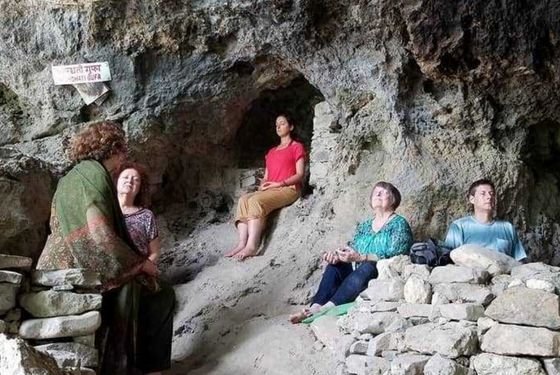
Himalayan Cave Meditation
A short trip takes you to sacred caves in the foothills, where sages once sat in silence for centuries. Meditating inside, in the cool and the dark, is a quiet that stays with you long after you've left.
 05 · Living History
Historic Temples
Guided visits to the old temples of Rishikesh — riverside shrines and sacred sites where the traditions you study in class have been practiced without pause for centuries.
 06 · Between Practice Days
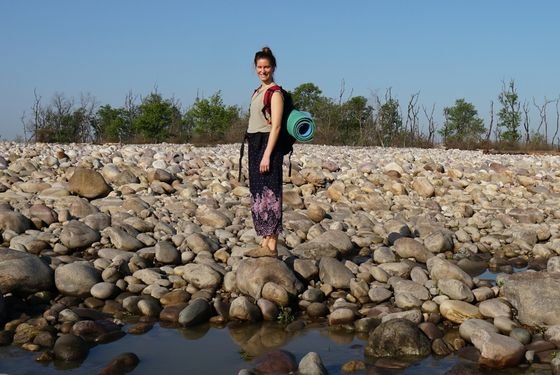
Nature Walks & Sacred Sites
Gentle walks into the hills and slow time by the sacred river — a living reminder of the Ayurvedic principle that nature itself is medicine.
A Peaceful Sanctuary to Rest, Nourish & Grow
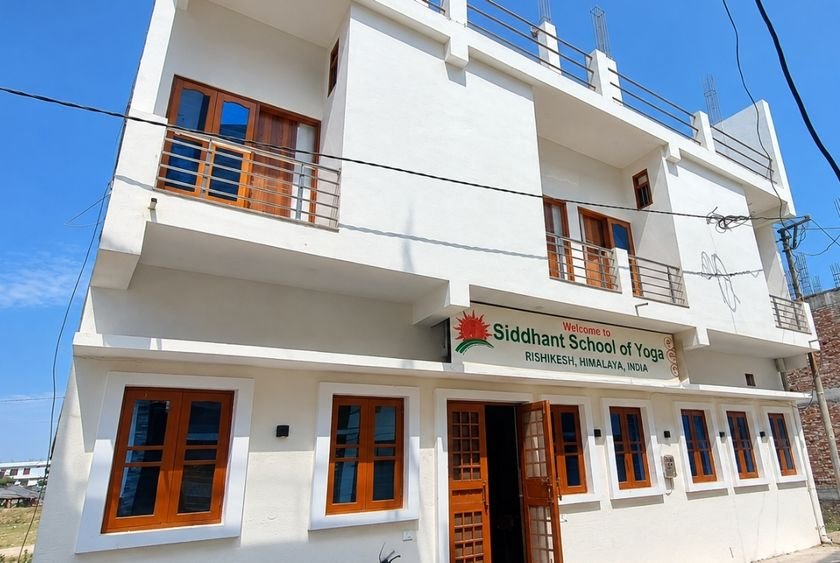
Your living environment is crucial to your yogic transformation. At Siddhant School of Yoga, we provide clean, serene accommodation, loving ashram staff, and freshly prepared Ayurvedic nourishment to keep your body vibrant and mind tranquil.
Three Sattvic Yogic Meals Daily
Freshly prepared organic Ayurvedic vegetarian cuisine designed to purify digestion and support vigorous daily practice.
Peaceful Private & Shared Rooms
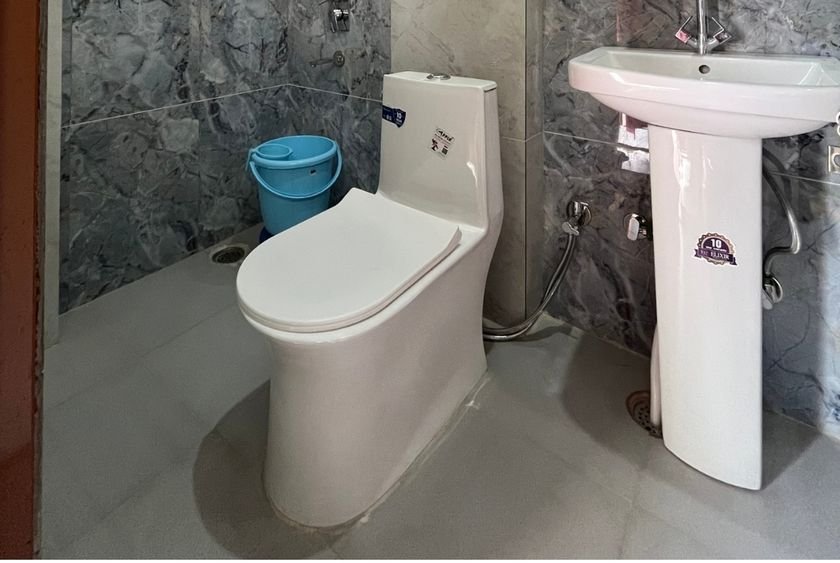
Immaculately clean rooms with attached modern bathrooms, 24/7 hot water, comfortable mattresses, and mountain views.
Sunlit Rooftop & Yoga Shala
Dedicated wooden yoga hall equipped with mats, blocks, belts, and bolsters for quiet self-practice and group sadhana.
High-Speed Wi-Fi & Laundry Services
Reliable internet throughout the ashram, on-site laundry services, filtered drinking water, and round-the-clock assistance.

What Happens After the Course
Your journey doesn't end on the last day — we stay with you for 100 days and beyond.
RYT-500 Registration
Graduates become eligible to register as RYT-500 with Yoga Alliance, alongside a separate Ayurveda module completion certificate.
100-Day Mentorship
Ongoing 100-day mentorship and direct support from our teachers as you settle into practicing and teaching what you've learned.
Global Alumni Community
An invitation to our global alumni community of yoga and Ayurveda teachers, for collaboration and continued learning.
Fair Postponement & Refund Policy
Postpone to any future batch within the year, or cancel — only the deposit is forfeited. Just notify us by email.
Learn Directly from Dedicated Yogis
Our faculty combines decades of traditional monastic training in the Himalayas with deep scientific knowledge in biomechanics, alignment, and subtle energetic anatomy.
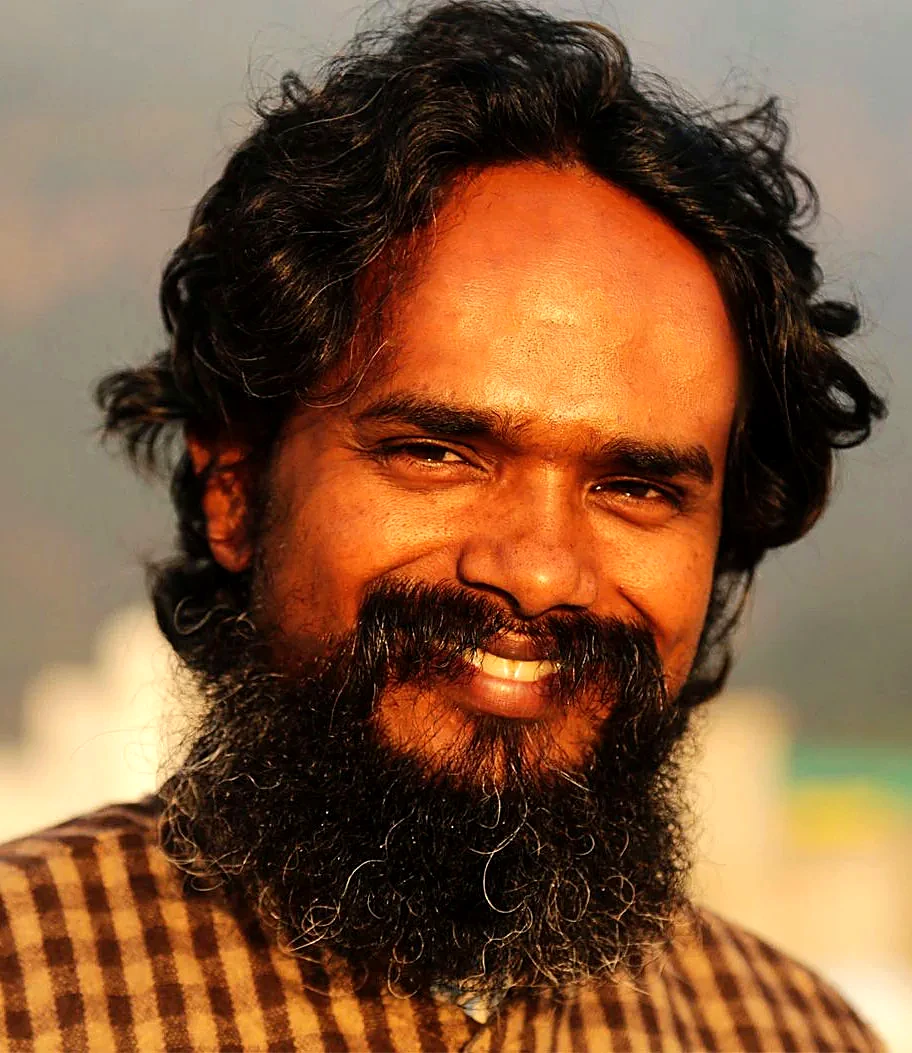
Siddhant Ji
Spiritual Master & Founder

Manpreet
Meditation & Mantra Guru
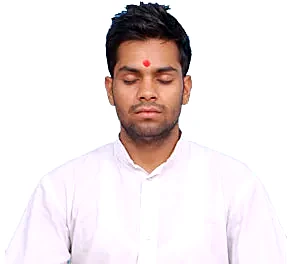
Sandeep
Mantra Science & Alignment

Hemlata
Yoga Anatomy & Physiology

Vishal
Hatha & Ashtanga Master

Varun
Ashtanga & Hatha Instructor
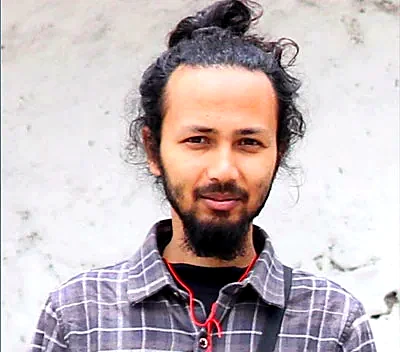
Kokil Nath
Asana & Philosophy Teacher
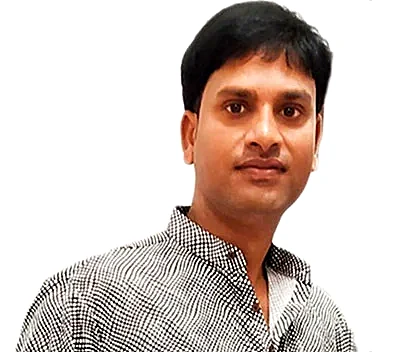
Chittaranjan
Pranayama & Kriyas Master
Experience Life at Siddhant School of Yoga
Watch authentic moments from our Rishikesh ashram — student transformations, sacred Vedic mantra chanting, Kundalini energy awakening, and daily sadhana.
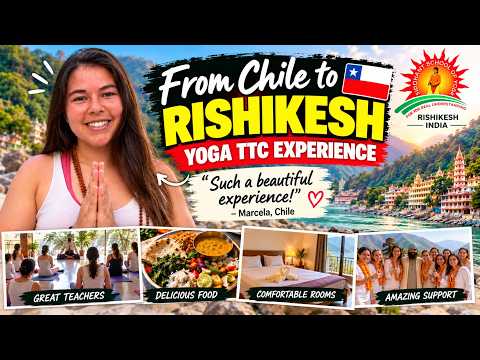
Siddhant School of Yoga Review: My Amazing 200 Hour Yoga Teacher Training in Rishikesh
A genuine testimonial from our international graduate sharing her personal transformation, daily sadhana, and teaching journey in Rishikesh.
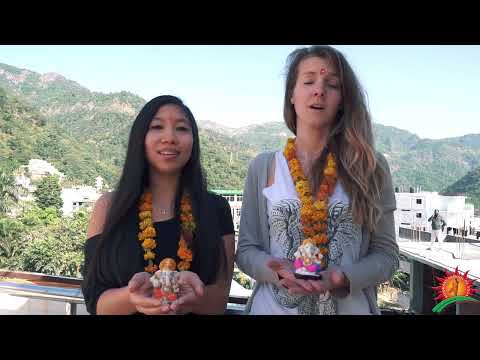
Ganesh Mantra Chanting during 200 hours Yoga Teacher Training Course in Rishikesh, India
Experience the sacred vibrations of morning Vedic chanting and prayer ceremony led by our monastic masters at the Rishikesh ashram.

Why to discover Chakra for Kundalini Yoga?
Acharya Siddhant explains the authentic yogic science of discovering and activating your dormant energy centers (Chakras).

Why Discover your Chakra — The Subtle Energy Body
A deep insight into understanding the spiritual physiology beyond physical postures and moving towards self-realization.
What Happens After You Enquire
Send an Enquiry
Reach out via WhatsApp, call or the contact form below.
Speak With Our Team
We'll help you pick the right batch dates and room type.
Confirm Your Seat
Secure your spot with a USD 500 deposit.
Prepare for Rishikesh
Receive a pre-arrival guide with packing and travel tips.
Begin Your Training
Arrive in Rishikesh and start your 500-hour journey.
500-Hour Yoga & Ayurveda TTC — Frequently Asked Questions
No. Students learn Ayurveda to support their own health and guide yoga students with lifestyle and diet — it is not a medical qualification.
It includes a dedicated Ayurveda module, Ayurvedic meals based on your dosha, a personal dosha assessment and a daily Ayurveda class.
No, the course starts from the basics — no prior Ayurvedic or advanced yoga knowledge is required, though a 200-hour foundation helps.
Yes. You graduate with a Yoga Alliance USA Registered RYT-500 certificate, plus a separate Ayurveda module completion certificate from Siddhant School of Yoga.
The nearest airport is Jolly Grant Airport in Dehradun, about 35–45 minutes away, with free pickup included. You can also arrive by train to Haridwar or Rishikesh station and take a short taxi ride to the ashram.
Yes. Foreign nationals need a valid Indian e-Tourist Visa, arranged in advance of travel, before joining any residential training in Rishikesh.
Comfortable yoga clothing, a reusable water bottle, personal toiletries, layers for cool mornings, a notebook and pen, and an open mind toward Ayurvedic living. See the full 'What's Included, Excluded & To Bring' section above for details.
Ready to Master Yoga and Ayurveda?
Train under authentic Himalayan masters and become a truly transformative teacher. Our team typically responds within a few hours.