



Traditional Sanskrit Mantra Chanting
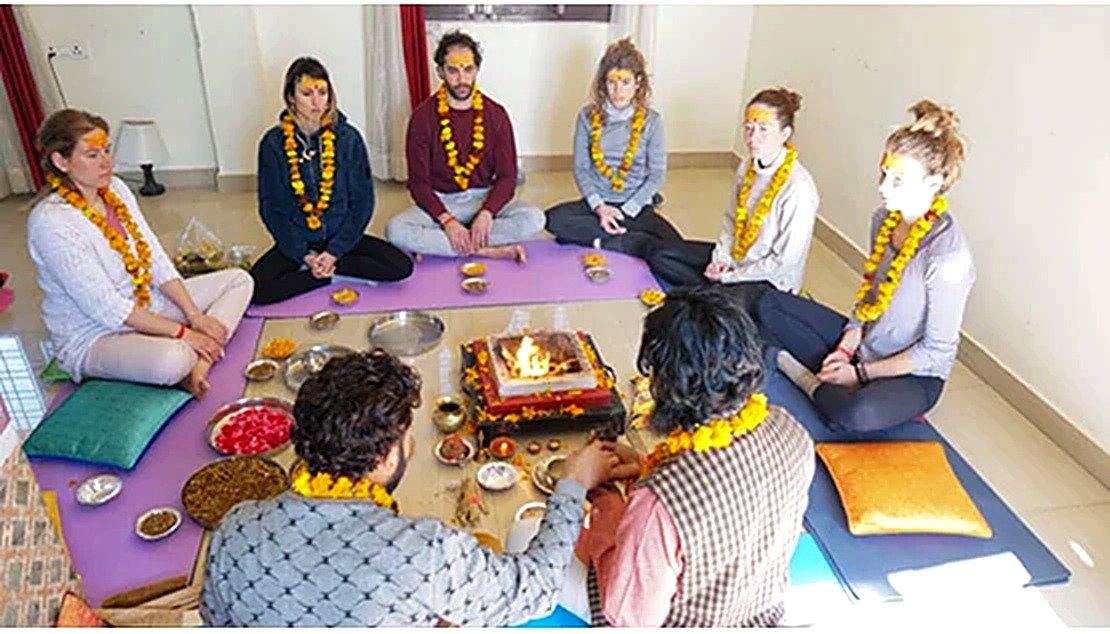
Chant together every morning and study traditional Sanskrit mantras with attention to pronunciation, rhythm, meaning and context.
What Is a Mantra?

In the yogic tradition, a mantra is a sacred sound, word or verse repeated with attention. The word is often explained as “that which protects (trā) the mind (man)”. Mantras are chanted aloud, softly, or silently, and are used for prayer, concentration and meditation.
Mantra in Daily Ashram Life
| Time | Practice |
|---|---|
| 06:00 AM | Morning Āratī |
| 06:15 AM | OM chanting |
| 11:00 AM | Mantra class (rotating slot) |
| 06:00 PM | Evening Āratī |
06:00 AM
- Practice:
- Morning Āratī
06:15 AM
- Practice:
- OM chanting
11:00 AM
- Practice:
- Mantra class (rotating slot)
06:00 PM
- Practice:
- Evening Āratī
Classes also often open or close with a Śānti Pāṭha (peace invocation).
Mantras Studied in the 200-Hour TTC
OM
The primordial sound, chanted daily as a foundation for all other mantra practice.
Guru Mantra (Gurur Brahmā…)
An invocation honoring the teacher as a source of knowledge.
Asato Mā Sad Gamaya
From the Bṛhadāraṇyaka Upaniṣad: “Lead me from the unreal to the real, from darkness to light, from death to immortality.”
Gāyatrī Mantra
A Ṛg Vedic prayer for the illumination of the intellect, among the most widely chanted Sanskrit mantras.
Mahāmṛtyuñjaya Mantra
A Ṛg Vedic prayer addressed to Śiva, traditionally chanted for protection and freedom from fear.
Śānti Pāṭha
Peace invocations that open and close classes and study sessions.
Further Mantras in the 300-Hour TTC
Sarve Bhavantu Sukhinaḥ, Oṁ Vakratuṇḍa Mahākāya, Yogena Cittasya (invocation to Patañjali), Oṁ Saha Nāvavatu, Oṁ Pūrṇamadaḥ and Svasti Prajābhyaḥ.
What You Learn in Mantra Class
Sanskrit pronunciation
Vowels, consonants and their correct place of articulation.
Rhythm and meter
How verses are structured and chanted.
Meaning
Word-by-word understanding of each mantra.
Context
The text a mantra comes from and how it is traditionally used.
Vocal awareness
Using the breath and voice without strain.
Teaching
How to lead a group chant as a yoga teacher.
Mantra, Breath and Meditation
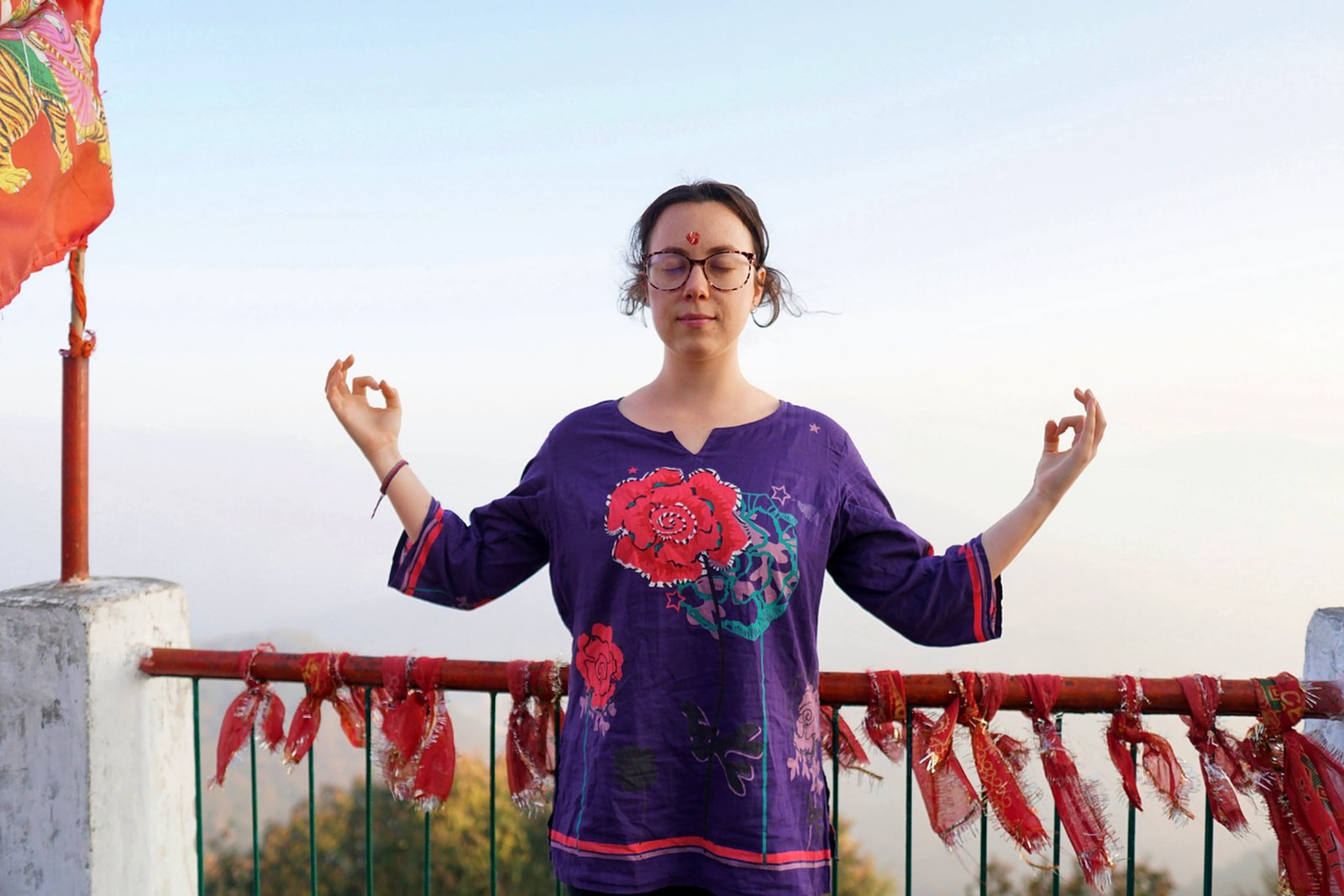
Chanting naturally lengthens the exhalation and gathers attention on sound. This is why mantra connects easily with Prāṇāyāma and meditation, and why mantra meditation is part of the meditation syllabus.
Do I Need to Know Sanskrit?
No. Mantras are taught step by step with transliteration and meaning. You do not need any previous experience of chanting or singing.
Respecting the Tradition
Mantras are presented within their traditional and devotional context. Students of every background are welcome; participation in devotional chanting is offered with respect for each student's own beliefs.
Frequently Asked Questions
Is mantra chanting part of the 200-Hour TTC?
Yes. Sanskrit Mantra Chanting is one of the 15 core subjects.
Do I have to chant if I am not religious?
Mantra is taught as part of the yogic tradition. You can participate at the level you are comfortable with.
Will I learn to lead chanting as a teacher?
Yes. Pronunciation and leading a group chant are included.
Do you offer a dedicated mantra retreat?
Yes, see the Mantra Yoga Retreat page.
Chant with understanding: sound, meaning and tradition, practiced every day.
Learn → Practice → Teach → Reflect. For Real Understanding.
Step Onto The Mat Where Ancient Masters Walked
Upcoming residential cohorts at our Rishikesh campus are filling quickly. Connect directly with our admissions team to secure your dates and room preference.