



Prāṇāyāma Center in Rishikesh
Dedicated daily Prāṇāyāma practice where students progressively explore classical breathing methods, Kumbhaka, Bandhas and Mudrās under experienced guidance.
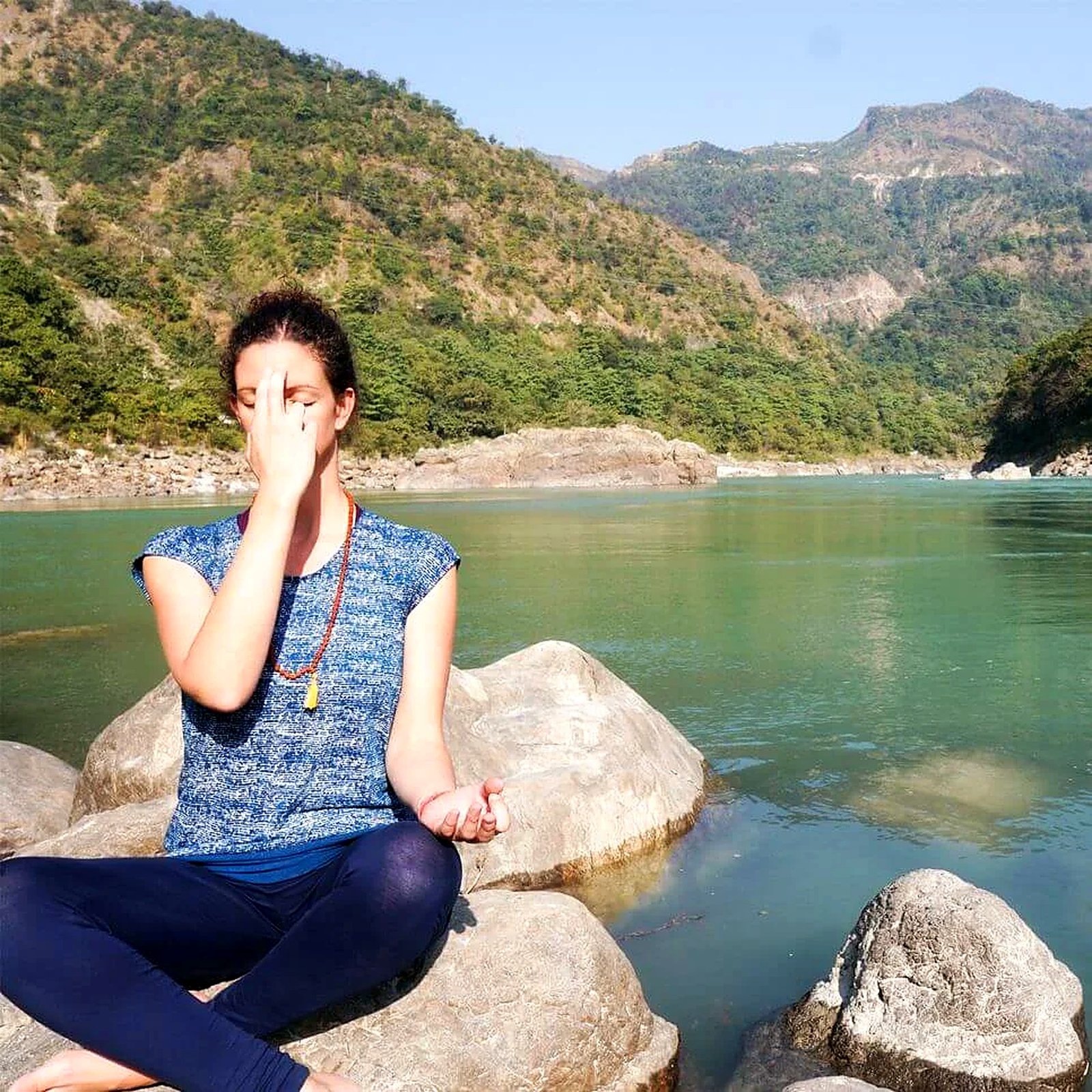
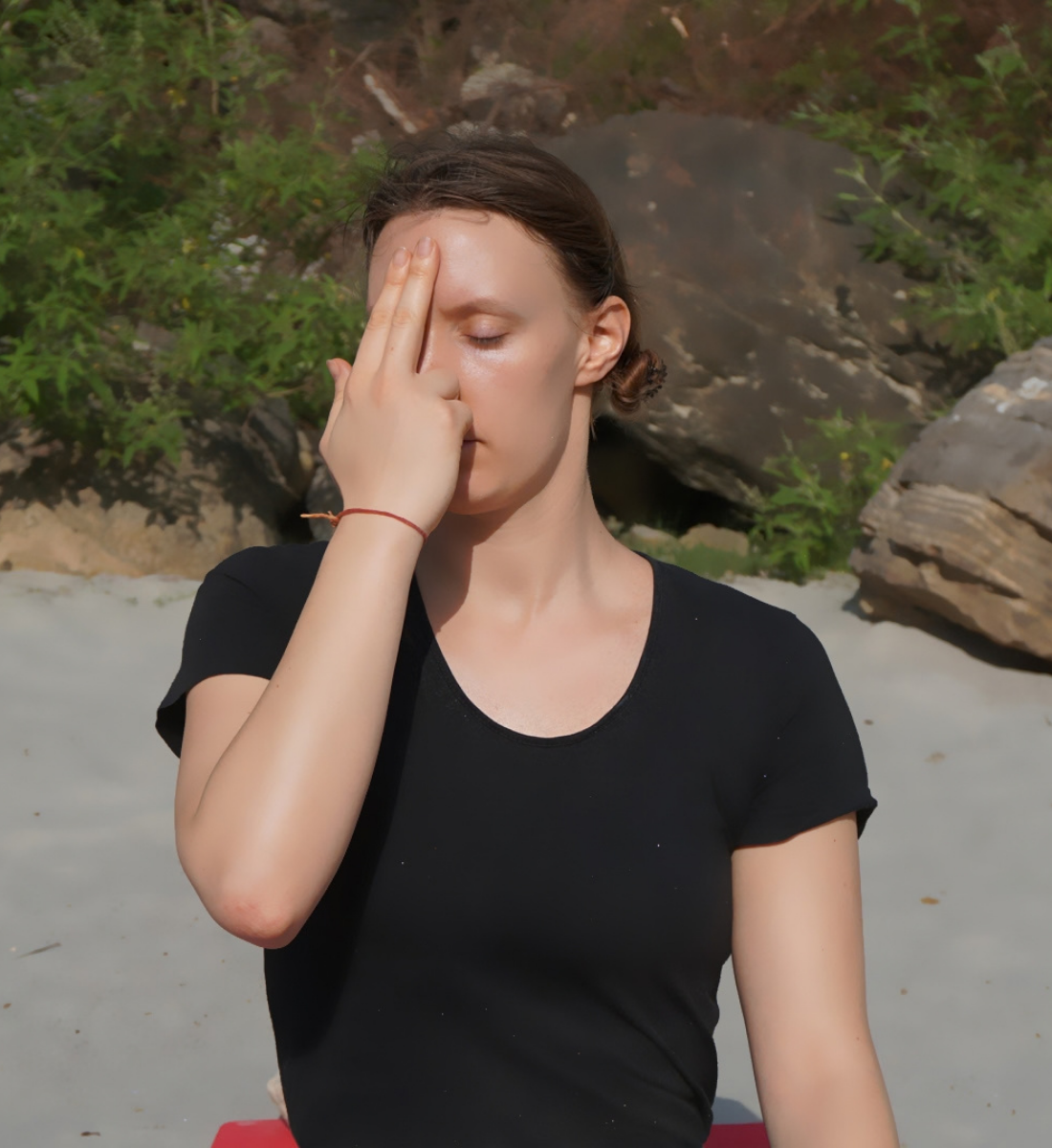
What Makes Our Prāṇāyāma Training Different?

At Siddhant School of Yoga, Prāṇāyāma is treated as a dedicated part of the yoga curriculum rather than a short breathing exercise before or after an āsana class.
During residential programs, students receive dedicated Prāṇāyāma practice and progressively study breath awareness, breathing techniques, Kumbhaka, Bandhas and Mudrās within a structured learning environment. The teaching draws on classical Haṭha Yoga sources and emphasizes progressive practice, observation and appropriate guidance.
Breath → Awareness → Regulation → Concentration
Classical Foundations of Prāṇāyāma
In the Haṭha Yoga tradition, Prāṇāyāma is the regulation of breath as a means of steadying the mind. Classical texts such as the Haṭha Yoga Pradīpikā and the Gheraṇḍa Saṁhitā describe Kumbhaka (retention), Nāḍī Śodhana (channel purification), Bandhas and Mudrās as closely connected practices.
chale vāte chalaṁ chittaṁ niśchale niśchalaṁ bhavet | yogī sthāṇutvam āpnoti tato vāyuṁ nirodhayet ||
“When the breath moves, the mind moves; when the breath is still, the mind becomes still. The yogī attains steadiness; therefore, one should regulate the breath.”
How We Approach Prāṇāyāma
- 01
Preparation
Awareness of natural breathing, diaphragmatic movement, posture, breath observation and comfortable inhalation and exhalation.
- 02
Regulation
Progressive exploration of Nāḍī Śodhana, classical breathing practices, breath ratios and Kumbhaka where appropriate.
- 03
Integration
How Prāṇāyāma connects with Bandhas, Mudrās, meditation, concentration and classical Haṭha Yoga practice.
Classical Prāṇāyāma Practices
Advanced practices are introduced according to level, preparation and appropriate guidance. Not every student practices every technique.
Nāḍī Śodhana
Alternate-nostril breathing practiced progressively with awareness of inhalation, exhalation and, where appropriate, retention.
Sūrya Bhedana
A classical practice involving right-nostril inhalation, traditionally associated with heating and activating qualities.
Ujjāyī
Controlled breathing with gentle regulation of the glottis and the characteristic sound of the breath.
Bhrāmarī
A humming breath traditionally used to encourage inward attention and calmness.
Bhastrikā
A dynamic breathing practice taught progressively according to the student's level.
Śītalī and Śītkārī
Two classical cooling-oriented breathing practices.
Kapālabhāti
A cleansing breath practice (listed in the school's Ṣaṭkarma and Prāṇāyāma syllabus) taught with appropriate guidance.
Mūrcchā and advanced practices
Introduced only within advanced study (300-Hour level) where appropriate.
Breath awareness
The foundation of every practice: observing the natural breath before regulating it.
Understanding Kumbhaka: Breath Retention in Classical Yoga
Antara Kumbhaka is retention following inhalation. Bāhya Kumbhaka is retention following exhalation. Retention is introduced progressively rather than forced.
Kumbhaka is approached progressively, with attention to comfort, control and appropriate preparation.
The Three Classical Bandhas
| Bandha | Meaning | Traditional context | Level |
|---|---|---|---|
| Mūla Bandha | Root lock | Drawing energy upward; steadiness at the base | Introduced in 200-Hour |
| Uḍḍīyāna Bandha | Abdominal lock | Upward lift of the abdomen, usually on exhalation | Introduced in 200-Hour |
| Jālandhara Bandha | Throat / chin lock | Used with retention in Prāṇāyāma | Introduced in 200-Hour |
| Mahā Bandha | The great lock | Combined application of all three | Introduced progressively |
Mūla Bandha
- Meaning:
- Root lock
- Traditional context:
- Drawing energy upward; steadiness at the base
- Level:
- Introduced in 200-Hour
Uḍḍīyāna Bandha
- Meaning:
- Abdominal lock
- Traditional context:
- Upward lift of the abdomen, usually on exhalation
- Level:
- Introduced in 200-Hour
Jālandhara Bandha
- Meaning:
- Throat / chin lock
- Traditional context:
- Used with retention in Prāṇāyāma
- Level:
- Introduced in 200-Hour
Mahā Bandha
- Meaning:
- The great lock
- Traditional context:
- Combined application of all three
- Level:
- Introduced progressively
Prāṇāyāma and Mudrā
Mudrās are integrated with Prāṇāyāma and meditation within the traditional curriculum. The 200-Hour syllabus includes Jñāna, Chin, Yoni, Bhairava, Bhairavī, Hṛdaya, Śāmbhavī, Nāsikāgra, Kākī, Yoga and Aśvinī Mudrā.
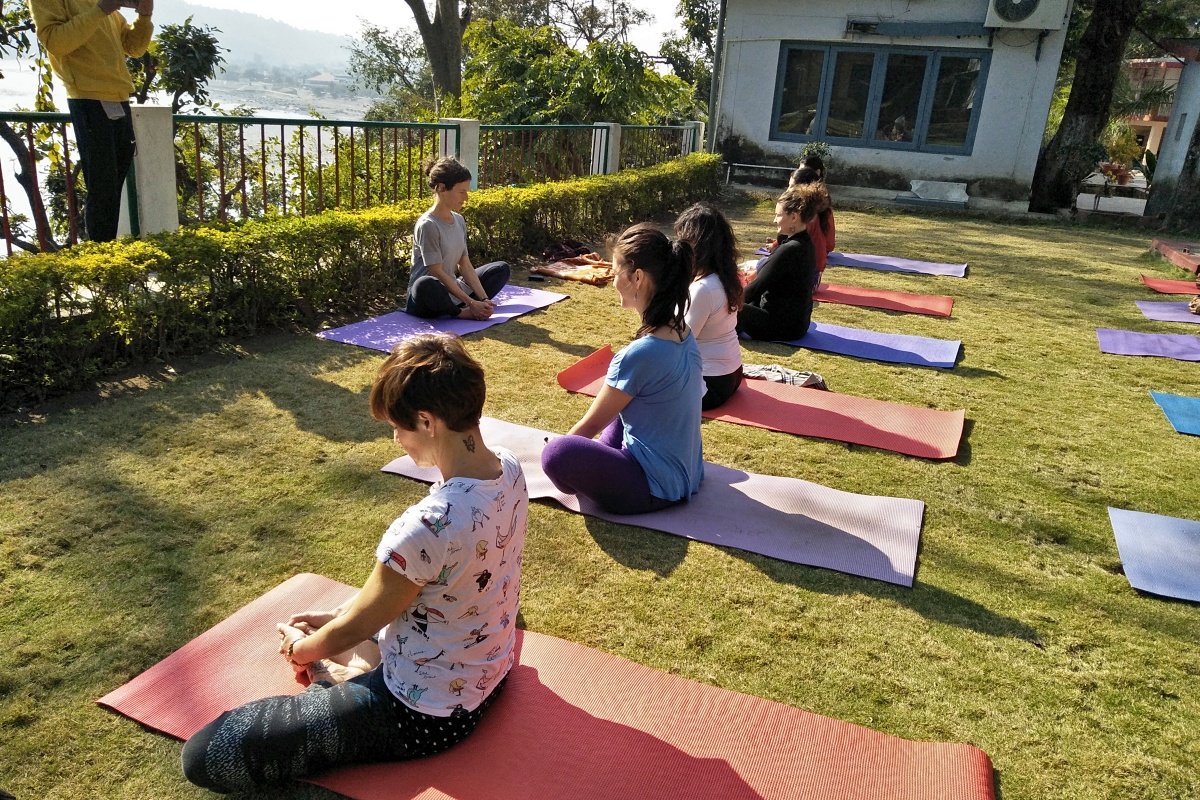
Dedicated Daily Prāṇāyāma Practice
Residential students have a dedicated Prāṇāyāma session each morning, starting at 08:15 AM. Sessions may include breath awareness, Prāṇāyāma, Bandhas, Mudrās, appropriate cleansing practices and guided observation.
How Students Observe Their Progress
Students can observe changes in breath awareness, ease and smoothness of breathing, ability to maintain a comfortable rhythm, concentration during practice, familiarity with classical techniques and understanding of Kumbhaka and Bandha coordination.
Can Beginners Learn Prāṇāyāma?
Yes. Beginners start with natural breath awareness, postural stability, diaphragmatic breathing, gentle breath regulation and simple practices. Prolonged Kumbhaka and advanced Bandha practice are introduced progressively, and no particular breath ratio or retention time is promised.
Why Practice Prāṇāyāma in Rishikesh?
Siddhant School of Yoga is located in Veerbhadra, Rishikesh, in a relatively peaceful residential area near the Ganga. Morning practice takes place on the rooftop shala, away from the busiest tourist areas.
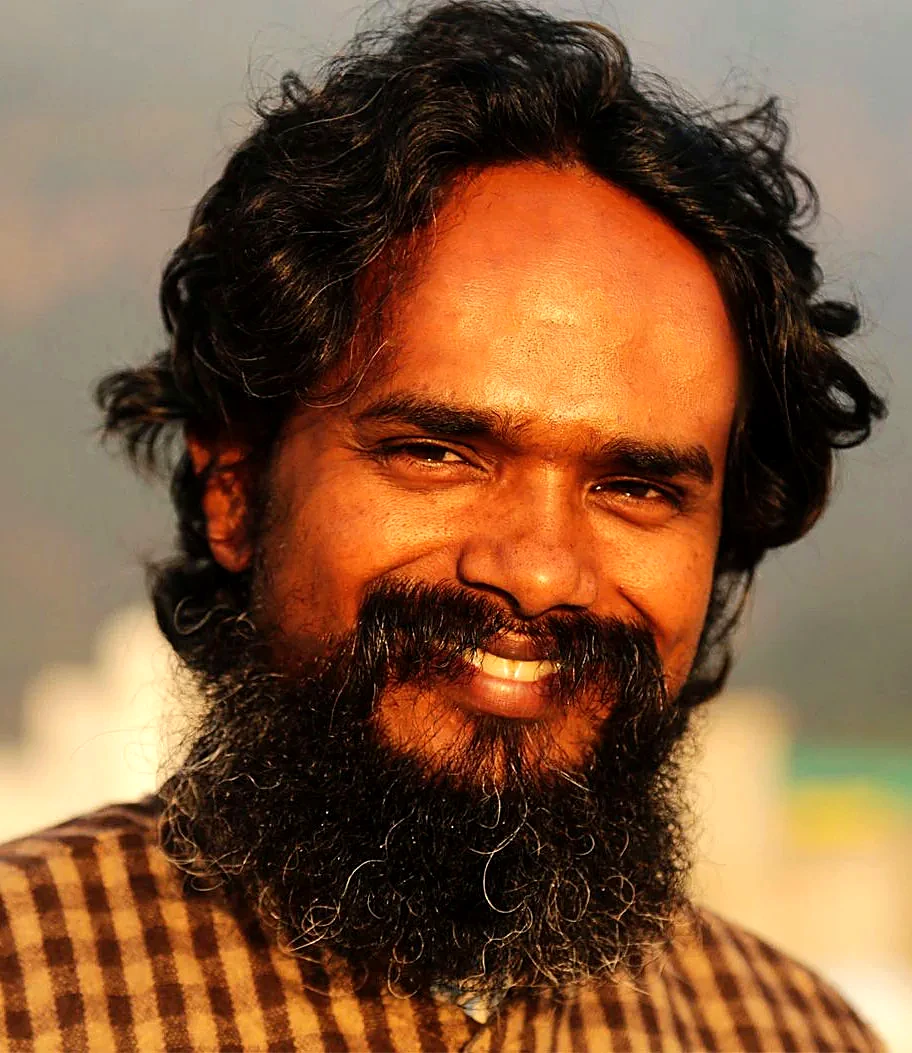
Learn Under the Guidance of Acharya Siddhant
Acharya Siddhant leads the school's Prāṇāyāma teaching, emphasizing traditional practice, personal guidance, structured learning and classical study.
Prāṇāyāma as Part of Your Yoga Teacher Training
Frequently Asked Questions
What is Prāṇāyāma?
Prāṇāyāma is the classical yogic practice of regulating the breath. In Haṭha Yoga it is used to steady the mind and prepare for concentration and meditation.
Can beginners learn Prāṇāyāma?
Yes, through progressive foundational practice appropriate to their level.
What is Kumbhaka?
Breath retention. Antara Kumbhaka follows inhalation and Bāhya Kumbhaka follows exhalation.
Do you teach Bandhas?
Yes. Mūla, Uḍḍīyāna, Jālandhara and Mahā Bandha are part of the 200-Hour curriculum, taught according to level.
When is the daily Prāṇāyāma session?
The session begins at 08:15 AM each morning.
Is Prāṇāyāma included in the 200-Hour TTC?
Yes. Classical Prāṇāyāma is one of the 15 core subjects of the 200-Hour TTC.
Begin your study of Prāṇāyāma. Explore the traditional science of breath through dedicated practice, progressive learning and direct guidance at Siddhant School of Yoga in Rishikesh.
Learn → Practice → Teach → Reflect. For Real Understanding.
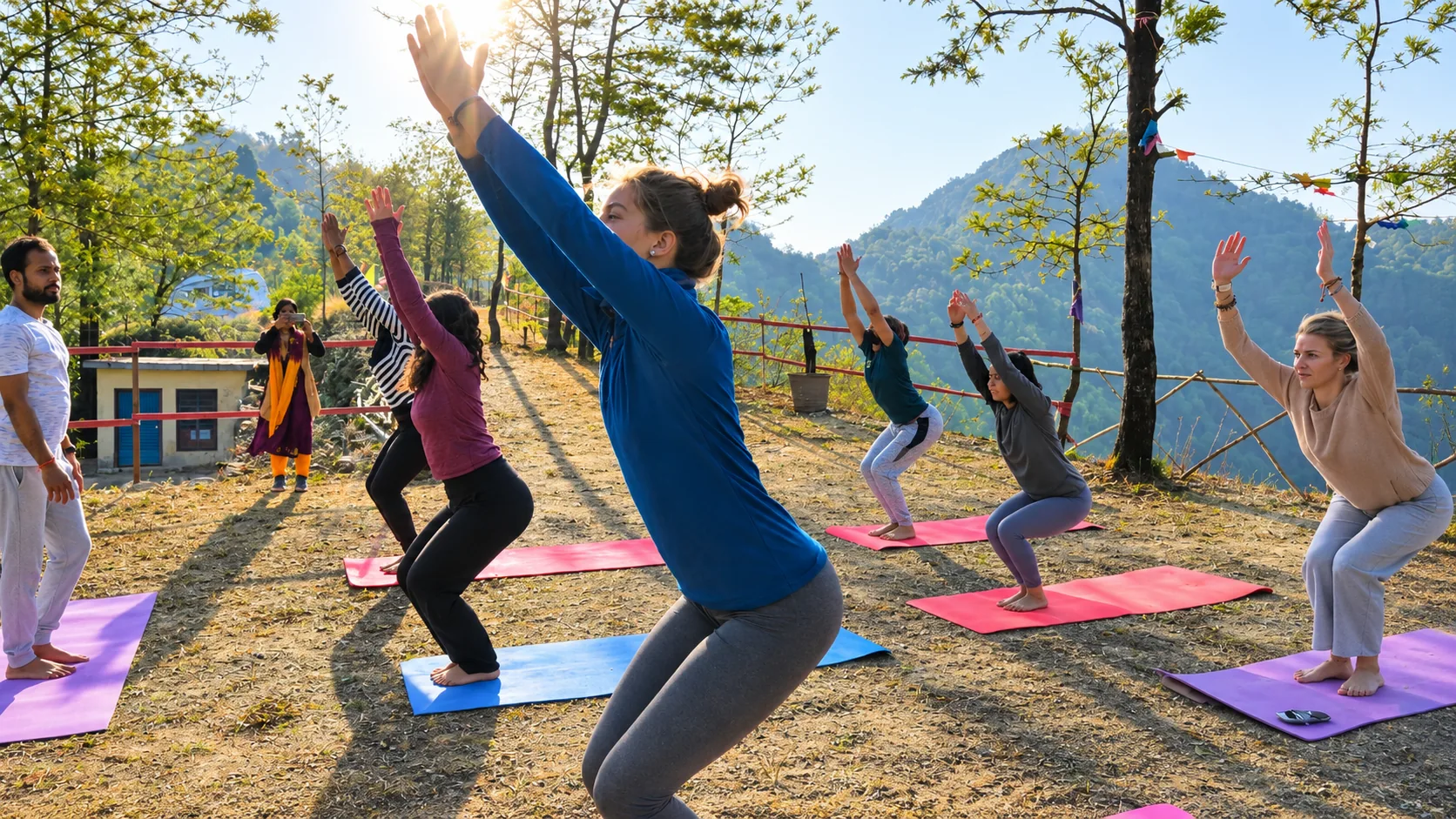
Step Onto The Mat Where Ancient Masters Walked
Upcoming residential cohorts at our Rishikesh campus are filling quickly. Connect directly with our admissions team to secure your dates and room preference.