



Personal Attention & Mentorship
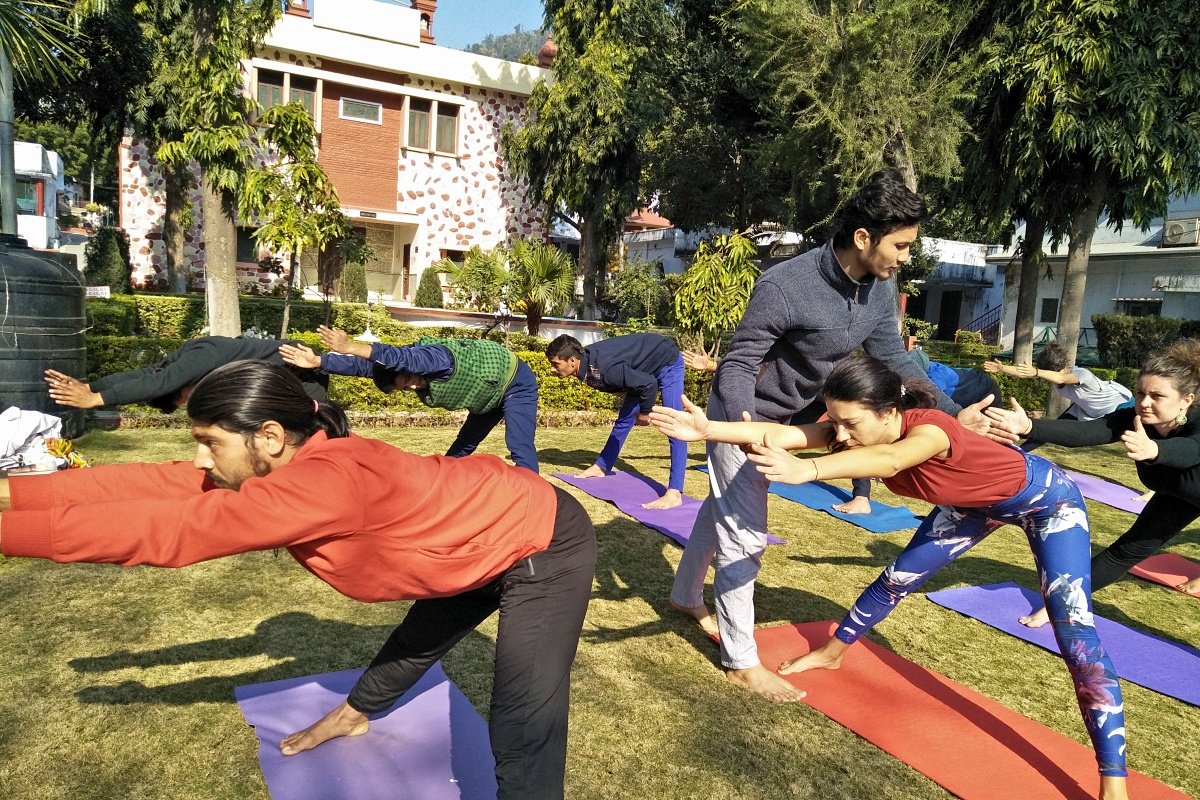
In a 10–15 student cohort, teachers observe your practice, answer your questions and give feedback, with Acharya Siddhant overseeing your progress.
What Does Personal Attention Mean in Yoga Teacher Training?

Personal attention means having meaningful opportunities to interact with teachers about your individual practice, questions and learning progress. In a 10–15 student cohort, teachers can spend more time observing, answering questions, offering feedback and discussing areas that need further practice.
Observe → Guide → Practice → Improve
Why Does a Smaller Cohort Matter?
A smaller group does not automatically create a better educational experience. What matters is how the school uses it. At Siddhant School, we use the small-group format to encourage closer interaction between students and teachers.
You Are More Than a Name on a Roster
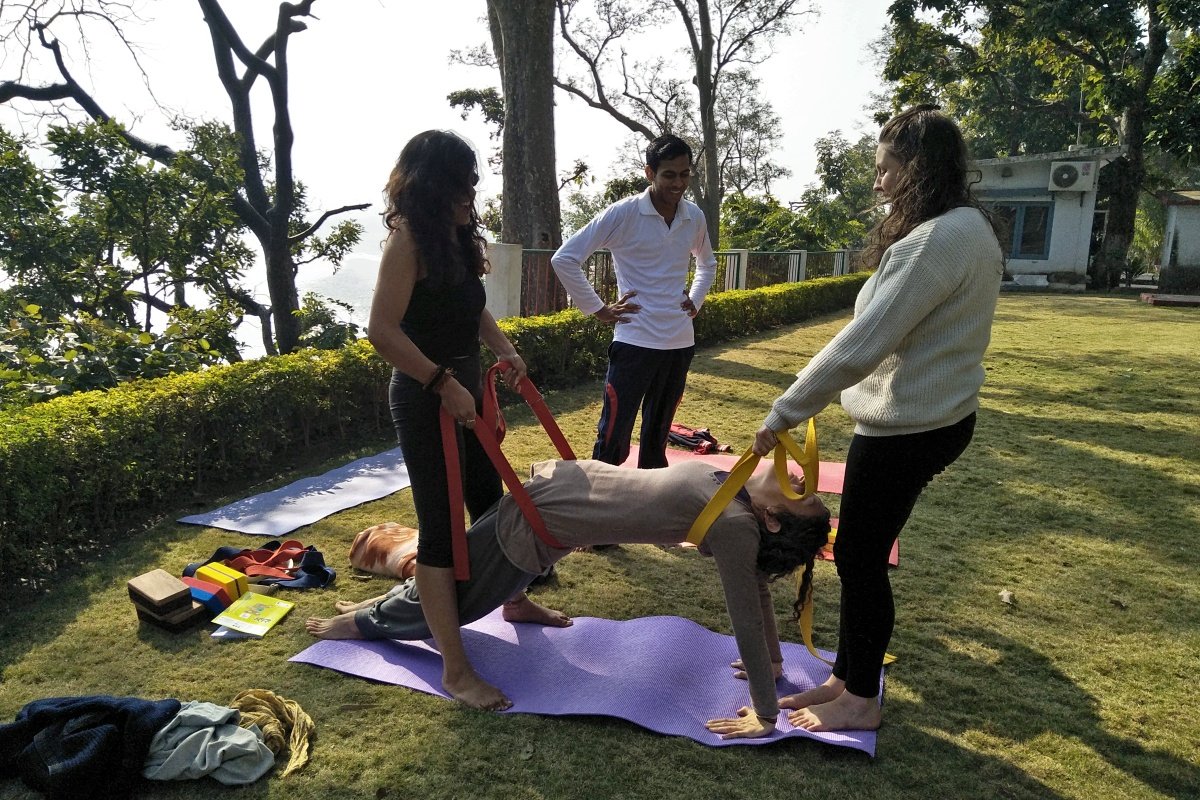
Some students have practiced for years; some are new to structured practice. Some are comfortable with āsana but not philosophy; others are confident with theory but uncertain about teaching. Personal attention lets these differences become part of the learning conversation.
What Does Personal Guidance Look Like?
- 01
During Āsana Practice
Teachers observe and give appropriate guidance on alignment, movement, stability, breathing, awareness and transitions.
- 02
During Prāṇāyāma
Teachers clarify technique, sequencing, breathing awareness and appropriate pace.
- 03
During Philosophy Classes
Students can ask questions, discuss concepts and connect ideas with practice.
- 04
During Teaching Practicum
Feedback on clarity of instructions, voice, sequencing, timing, demonstration, observation, confidence and class structure.
The Personal Feedback Loop
Learn → Practice → Receive Feedback → Practice Again → Improve
Your Body Is Different From the Person Next to You
Students differ in mobility, strength, experience, coordination and learning pace. A useful teacher does not ask “Can everyone make the same shape?” but “How can this student understand and practice the principle appropriately?”
Props Are Learning Tools, Not Signs of Failure
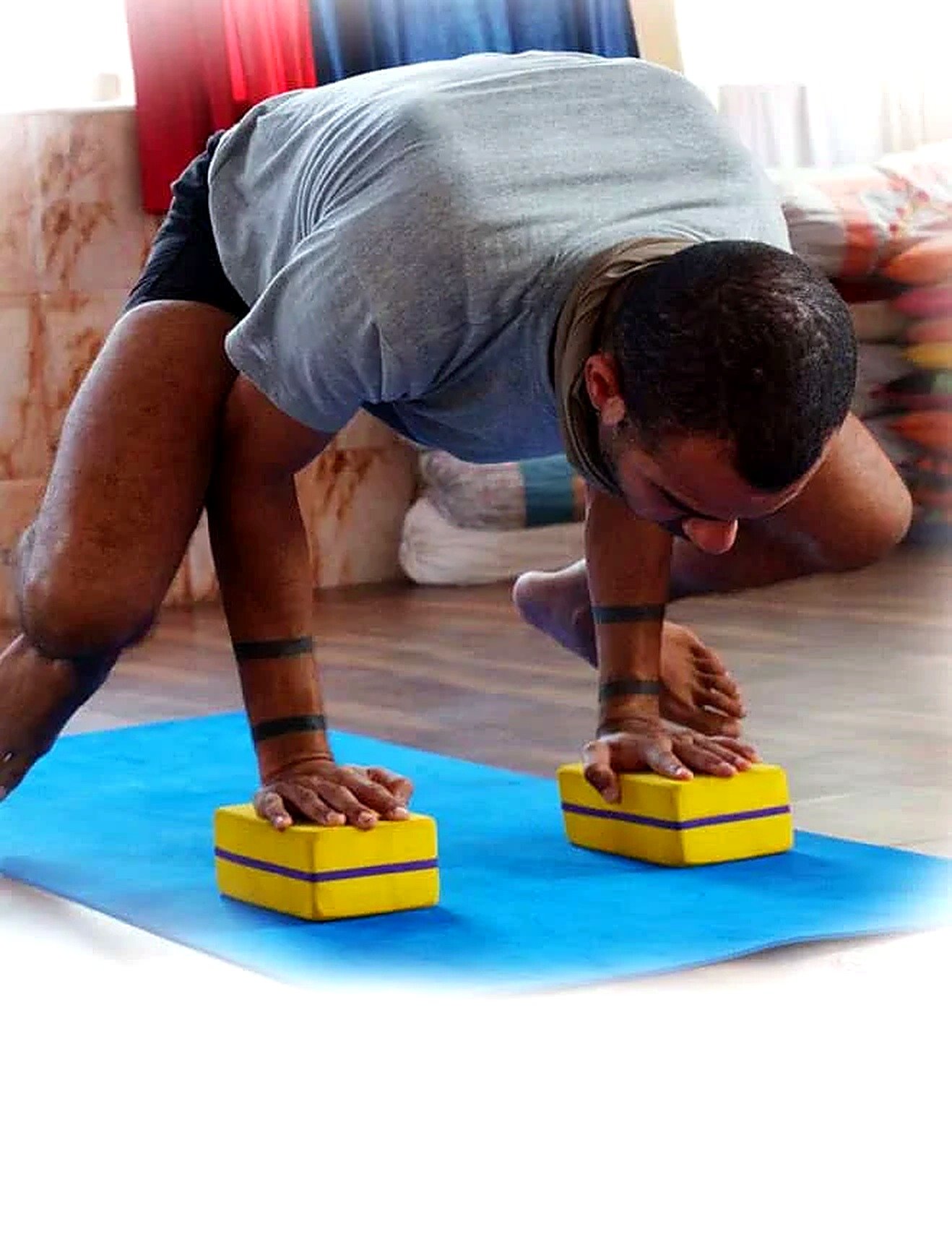
Blocks, belts and bolsters can support stability, awareness, alignment and accessibility. Teachers introduce props when they are relevant to the student's needs.
Direct Access to Teachers
Learning does not always happen during the scheduled class. Students can ask teachers about āsana, Prāṇāyāma, meditation, philosophy, teaching methodology, personal practice and life in the ashram. Because teachers and students share the residential environment, there are regular opportunities to seek clarification outside class time.
Important questions should not go unanswered simply because the class has ended.

Mentorship From Acharya Siddhant
Acharya Siddhant teaches in the program personally and oversees each student's progress through the course. Students can bring questions about their practice and development directly to him during the training.
Support Continues After the Course
Graduates receive a structured 100-day daily practice schedule to support home practice after returning from Rishikesh, and can stay in touch with the school with questions about their practice.
What Personal Attention Is — and Is Not
Personal attention is
- Observation and feedback within classes
- Space to ask questions and discuss difficulties
- Guidance adapted to your level
- Feedback on your teaching practice
Personal attention is not
- Private one-to-one coaching for every session
- Medical, therapeutic or psychological treatment
- Making everyone's posture look identical
- A guarantee of any particular outcome
Frequently Asked Questions
Will I get individual attention in a group class?
Yes. Classes are taught to the group, but the 10–15 student size allows teachers to observe individuals and offer personal guidance.
Can I talk to teachers outside class?
Yes. Students can approach teachers during designated times in the residential environment.
Does Acharya Siddhant teach personally?
Yes. Acharya Siddhant teaches in the program and oversees student progress.
I have an injury. Will teachers help me modify?
Please inform the teachers before practice. They can suggest modifications within their scope, but yoga instruction is not a substitute for medical advice.
Is there support after graduation?
Graduates receive a 100-day daily practice schedule to continue practice at home.
Learn where your teacher has time to see you, guide you and give you feedback.
Learn → Practice → Teach → Reflect. For Real Understanding.
Step Onto The Mat Where Ancient Masters Walked
Upcoming residential cohorts at our Rishikesh campus are filling quickly. Connect directly with our admissions team to secure your dates and room preference.