



Measuring Your Growth in Yoga
Progress is more than flexibility. Our 3-Tier Framework helps you observe physical, energetic and mental development during the 200-Hour TTC.
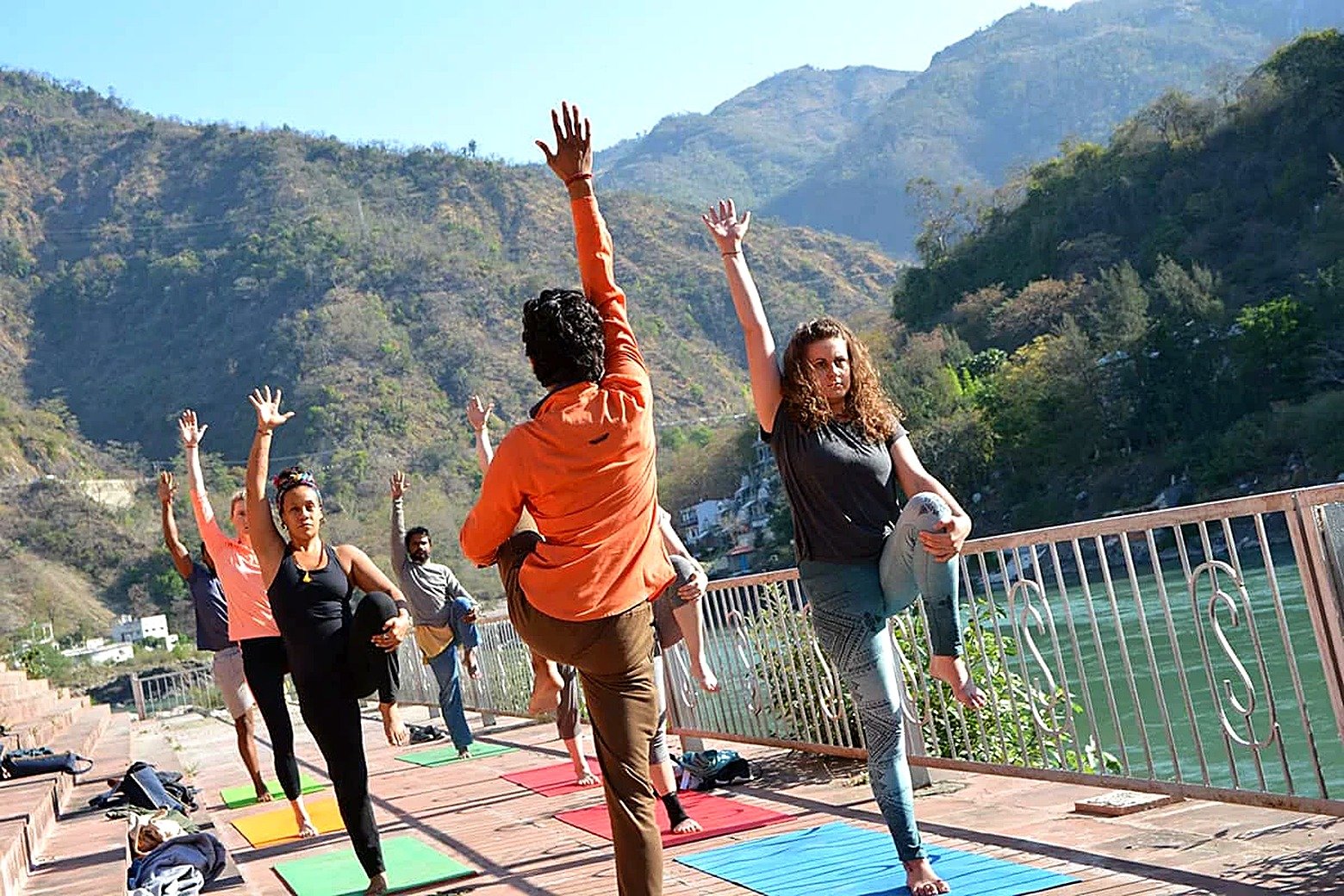
Awareness, Not Competition

Our 200-Hour Yoga TTC uses a 3-Tier Growth Framework to help students observe their development. The purpose is not to turn yoga into a competition or reduce inner development to numbers. It is to help students become more aware of where they begin, what changes through practice, and what they are learning.
Physical → Energetic → Mental & Intellectual
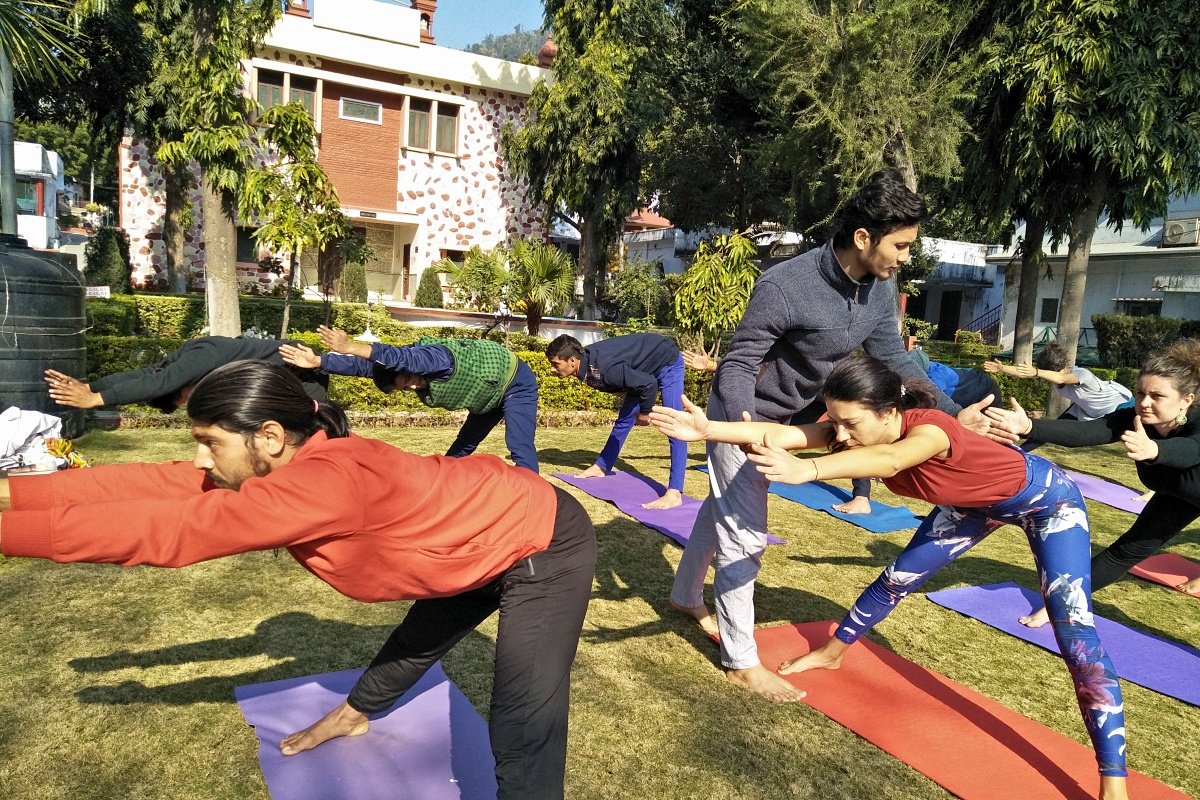
How Do You Measure Progress in Yoga?
During training, students can reflect on:
- Postural stability and alignment
- Range and quality of movement
- Ease and steadiness in āsana
- Breath awareness and control
- Concentration
- The ability to remain calm during challenges
- Understanding of yogic philosophy
- The ability to communicate and teach
The Siddhant 3-Tier Growth Framework
| Tier | What we observe | Examples of assessment |
|---|---|---|
| Tier 1: Physical | Stability, alignment, mobility and ease of movement | Postural observation, movement quality, alignment and steadiness |
| Tier 2: Energetic | Breath awareness, rhythm and capacity for conscious breathing | Breathing observation, Prāṇāyāma practice, appropriate retention work |
| Tier 3: Mental & Intellectual | Concentration, composure, understanding and teaching presence | Reflection, philosophical understanding, teaching practicum |
Tier 1: Physical
- What we observe:
- Stability, alignment, mobility and ease of movement
- Examples of assessment:
- Postural observation, movement quality, alignment and steadiness
Tier 2: Energetic
- What we observe:
- Breath awareness, rhythm and capacity for conscious breathing
- Examples of assessment:
- Breathing observation, Prāṇāyāma practice, appropriate retention work
Tier 3: Mental & Intellectual
- What we observe:
- Concentration, composure, understanding and teaching presence
- Examples of assessment:
- Reflection, philosophical understanding, teaching practicum
These dimensions are interconnected. A more stable body supports steadier practice; a more conscious breath supports awareness; awareness influences concentration, learning and teaching.
Physical Growth
From flexibility to stability, alignment and ease. We observe postural stability, alignment, movement quality (entering, holding and leaving a posture), comfortable mobility, and ease with less unnecessary effort.
A simpler posture performed with steady breathing, alignment, awareness and reduced effort may show more progress than a deeper posture performed with strain.
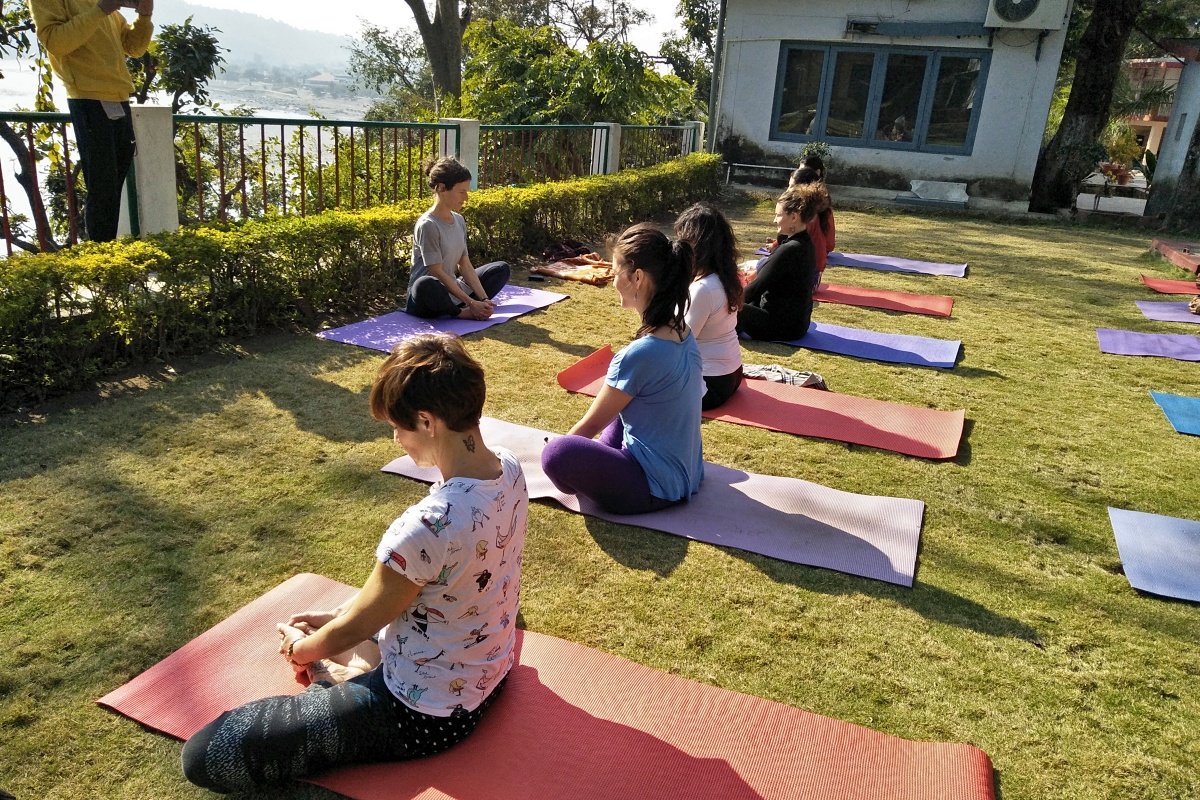
Energetic Growth
Learning to observe the breath and prāṇa. Students may observe changes in awareness of natural breathing, smoothness and rhythm, coordination of breath with practice, comfort during prescribed Prāṇāyāma, sustained attention, and understanding of Kumbhaka.
Longer breath retention does not automatically mean greater progress. Students develop awareness, steadiness and appropriate control rather than forcing duration.
Mental & Intellectual Growth
Concentration
Can you remain attentive during practice and study?
Composure
Can you stay aware when something feels challenging or unfamiliar?
Understanding
Can you explain yogic concepts in your own words?
Philosophical learning
Can you connect principles with your own practice?
Teaching presence
Can you give clear instructions and stay attentive to students?
Self-reflection
Can you recognize your strengths and areas for development?
From Day 1 to the End of the Course
- 01
Day 1 Baseline
Notice where you begin in body, breath and understanding.
- 02
Practice
Daily classes build familiarity and steadiness.
- 03
Mid-Course Reflection
Look back at what has already changed.
- 04
Later-Stage Reassessment
Observe your practice and teaching again.
- 05
Completion & Integration
Carry what you have learned into home practice.
Instead of asking only “Am I better at yoga?”, we encourage students to ask “What has changed in my practice, awareness and understanding?” Exact assessment methods and timing follow the course schedule.
What Does Meaningful Progress Look Like?
A posture that once felt unstable becomes comfortable. Alignment becomes clearer. Breathing is more consciously observed. Attention lasts longer. You recover more easily when practice becomes challenging. A philosophical concept that seemed abstract starts to make sense. You can explain a technique more clearly to another student.
Your Progress Is Personal
Previous experience, body structure, mobility, strength, age, learning pace and breathing habits all influence how progress appears. Assessment is not about comparing students. We ask: Where did you begin? What have you learned? What has changed? What still requires practice?
Assessment Is a Tool for Awareness — Not a Competition
Numbers and observations can help students recognize change, but cannot capture every dimension of inner development. The framework complements practice; it does not replace it.
Practice. Observe. Understand. Integrate.
Beyond Graduation: The 100-Day Practice Schedule
After the course, graduates receive a structured 100-day daily practice schedule to continue the habits built during training and keep observing their growth at home.
Frequently Asked Questions
How do you measure progress in yoga?
Through several dimensions: physical stability and mobility, breathing awareness, concentration, philosophical understanding and teaching ability, organized into physical, energetic and mental/intellectual tiers.
Is flexibility the main measure of progress?
No. It is one aspect of physical development alongside stability, alignment, movement quality and breath awareness.
Will every student have the same results?
No. Students begin from different places; assessment helps each student observe their own development.
Does longer breath retention mean greater progress?
Not necessarily. Quality, awareness and appropriateness matter more than duration.
Is this a medical or clinical assessment?
No. It is an educational, practice-based method for observing progress during teacher training.
What if I do not become more flexible?
That does not mean you have not progressed. Growth can appear as better stability, alignment, control, awareness and ease.
Learn → Practice → Observe → Teach
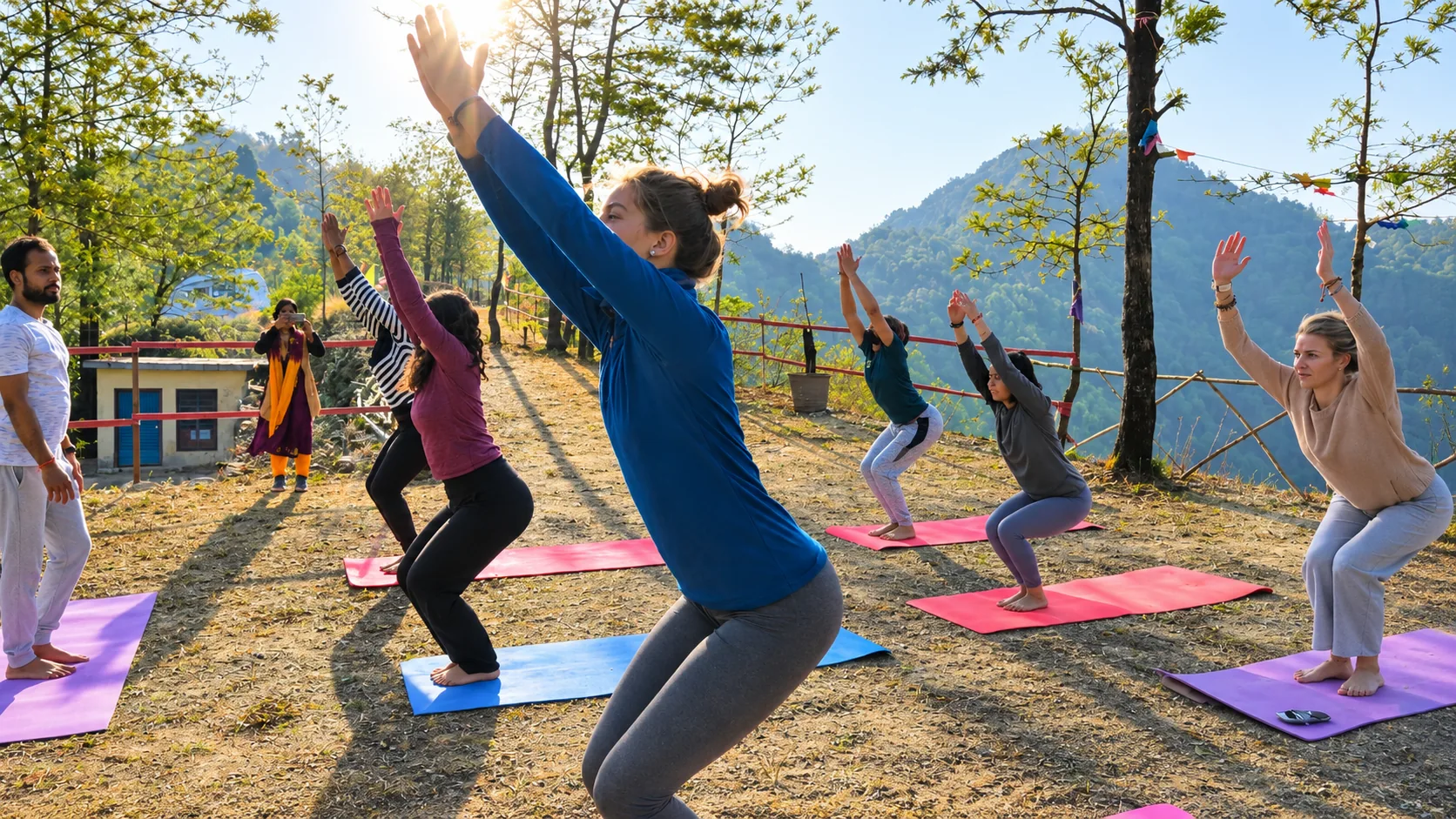
Step Onto The Mat Where Ancient Masters Walked
Upcoming residential cohorts at our Rishikesh campus are filling quickly. Connect directly with our admissions team to secure your dates and room preference.