



In-Depth Yogic Knowledge
Study yoga beyond postures through classical texts, philosophy, anatomy, Prāṇāyāma and meditation, and understand why yoga is practiced and how it is taught.
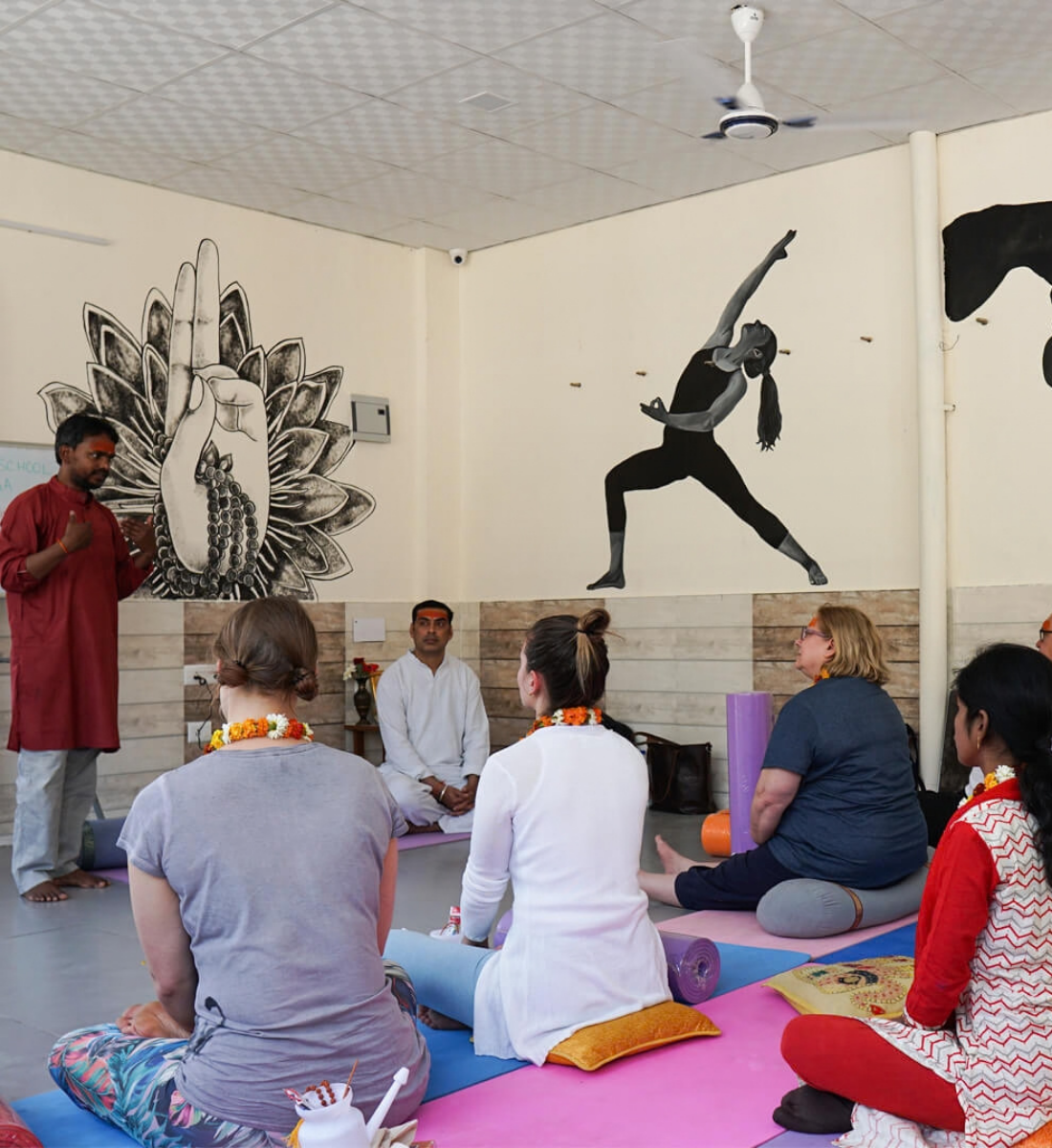
What Does In-Depth Yogic Knowledge Mean?

It means studying yoga beyond physical postures — understanding the practices, principles and philosophical ideas of the broader yogic tradition. At Siddhant School this includes classical Haṭha Yoga, Aṣṭāṅga Vinyāsa, alignment, Prāṇāyāma, Bandhas, Mudrās, Ṣaṭkarma, meditation, Yoga Nidra, Sanskrit mantra, Patañjali's philosophy, functional anatomy, Āyurveda, teaching methodology and practicum — taught as interconnected parts of one training.
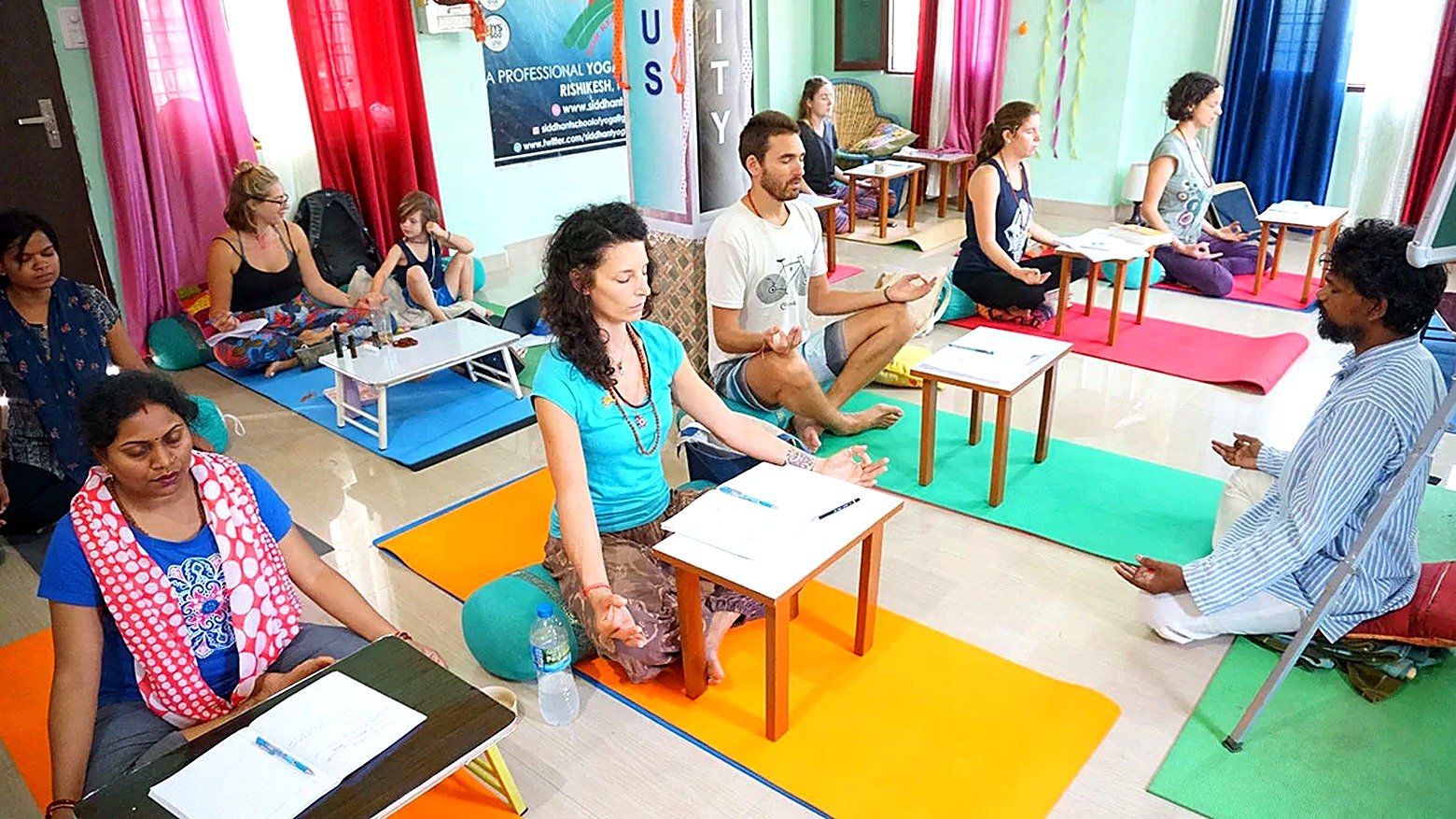
Yoga Is More Than What Happens on the Mat
A yoga teacher also needs to understand how breathing influences practice, what principles guide meditation, what the tradition says about the mind, how anatomy explains movement, and how to communicate these ideas clearly.
The Siddhant Approach
Experience yoga through āsana, Prāṇāyāma and meditation; explore philosophy, texts, anatomy and teaching principles; then connect what you study with what you experience.
Learning From the Yogic Tradition
Patañjali Yoga Sūtras
Fundamental ideas on yoga, practice, concentration, meditation and the mind: Abhyāsa and Vairāgya, the Kleśas, Kriyā Yoga and the eight limbs.
Haṭha Yoga Pradīpikā
Principles and practices of the Haṭha tradition, including diet, helpful and obstructive factors in practice, Prāṇāyāma, Bandha and Mudrā (studied in greater depth at 300-Hour level).
Bhagavad Gītā
Teachings on yoga, action, knowledge, discipline and devotion (studied at 300-Hour level: Karma, Ātma-Saṁyama, Bhakti and Guṇatraya-Vibhāga Yoga).
Gheraṇḍa Saṁhitā and Upaniṣads
The seven-fold path (Sapta Sādhana) of the Gheraṇḍa Saṁhitā and the Pañca Kośa teaching of the Taittirīya Upaniṣad.
The Five KośasFrom Scripture to Practice
What does steadiness mean in practice? What is the relationship between effort and awareness? What does meditation require? How can a teacher communicate philosophy responsibly? These questions move students from memorizing concepts toward understanding them.
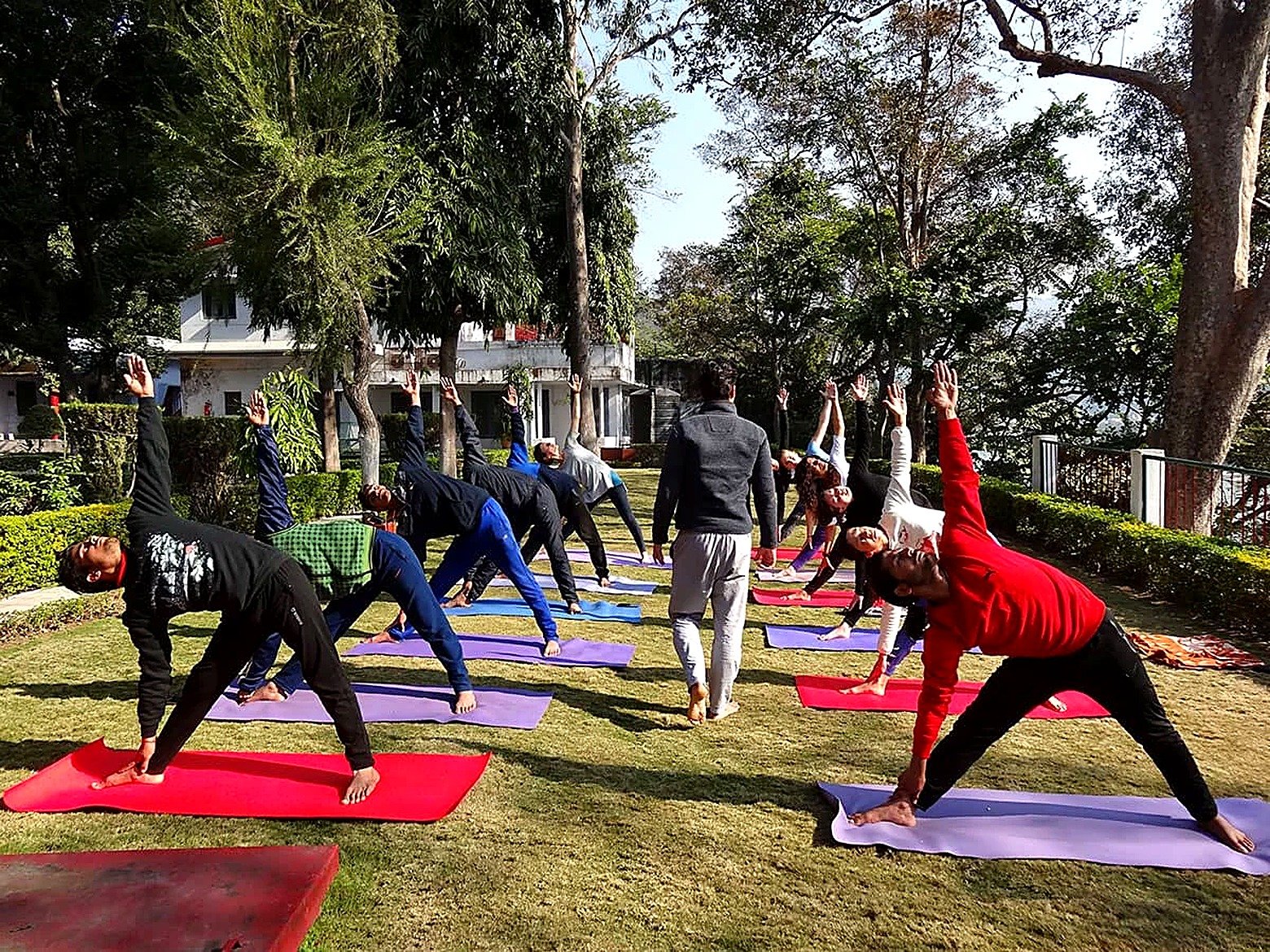
Understanding the Body Behind the Practice
Anatomy helps teachers understand joints, muscles, movement, stability, mobility, the spine and individual variation. It does not replace the traditional understanding of yoga; it adds another perspective.
Understanding Why You Give a Cue
A teacher should not repeat alignment instructions just because they have heard them. A deeper approach asks why an instruction is given, and how body structure and individual differences influence practice.
Prāṇāyāma: Beyond Breathing Exercises
Prāṇāyāma is studied as a distinct area of practice: breath awareness, techniques, methodology, progressive learning, Kumbhaka where appropriate and the relationship between breath and attention.
Meditation and Inner Awareness
Meditation develops concentration, observation, stillness and sustained attention. Yoga is not only about what the body can do, but also learning to observe the mind.
The 15 Subjects as One Connected Curriculum
Āsana → Prāṇāyāma → Meditation → Philosophy → Anatomy → Teaching Methodology → Teaching Practicum
A Structured Daily Learning Rhythm
The residential 200-Hour TTC follows a structured day with eight core classes spread across practice, theory, philosophy and teaching-related subjects.
Moving Beyond Memorization
Know → Understand → Experience → Apply → Reflect
A Teacher Is Also a Lifelong Student
The 200-Hour course provides a foundation. Continued study may involve deeper texts, advanced training (300-Hour), specialist areas, personal practice and teaching experience.
Depth Rather Than Information Overload
Āsana + Anatomy
How the body moves.
Prāṇāyāma + Awareness
How conscious breathing becomes practice.
Philosophy + Practice
How ideas inform practice.
Methodology + Experience
How understanding becomes teachable.
Is In-Depth Yogic Study Right for You?
It may suit you if you want to understand yoga beyond exercise, are interested in philosophy and Sanskrit terminology, want to understand anatomy, intend to teach, and enjoy asking questions. You do not need to arrive as a yoga scholar — curiosity and willingness to learn are enough.
Frequently Asked Questions
What does in-depth yogic knowledge mean?
Studying yoga beyond postures, including philosophy, classical texts, Prāṇāyāma, meditation, anatomy, Āyurveda and teaching methodology.
Which classical texts are studied?
The 200-Hour TTC focuses on Patañjali's Yoga Sūtras and the Pañca Kośa teaching; the Haṭha Yoga Pradīpikā, Gheraṇḍa Saṁhitā and Bhagavad Gītā are studied in greater depth in the 300-Hour TTC.
Is this only for advanced practitioners?
No. The curriculum introduces subjects progressively.
Does studying more subjects automatically create deeper knowledge?
Not necessarily. Depth comes from understanding, practice, reflection and connecting different areas of learning.
Go beyond learning postures. Study the practice. Explore the philosophy. Understand the body. Work with the breath. Learn how to teach.
15 Yogic Subjects. Integrated Learning. For Real Understanding.
Step Onto The Mat Where Ancient Masters Walked
Upcoming residential cohorts at our Rishikesh campus are filling quickly. Connect directly with our admissions team to secure your dates and room preference.