



The Five Kośas in Yoga
Explore the Pañca Kośa teaching of the Taittirīya Upaniṣad, from Annamaya to Ānandamaya, as a classical map for inquiry beyond the body.
What Are the Five Kośas?

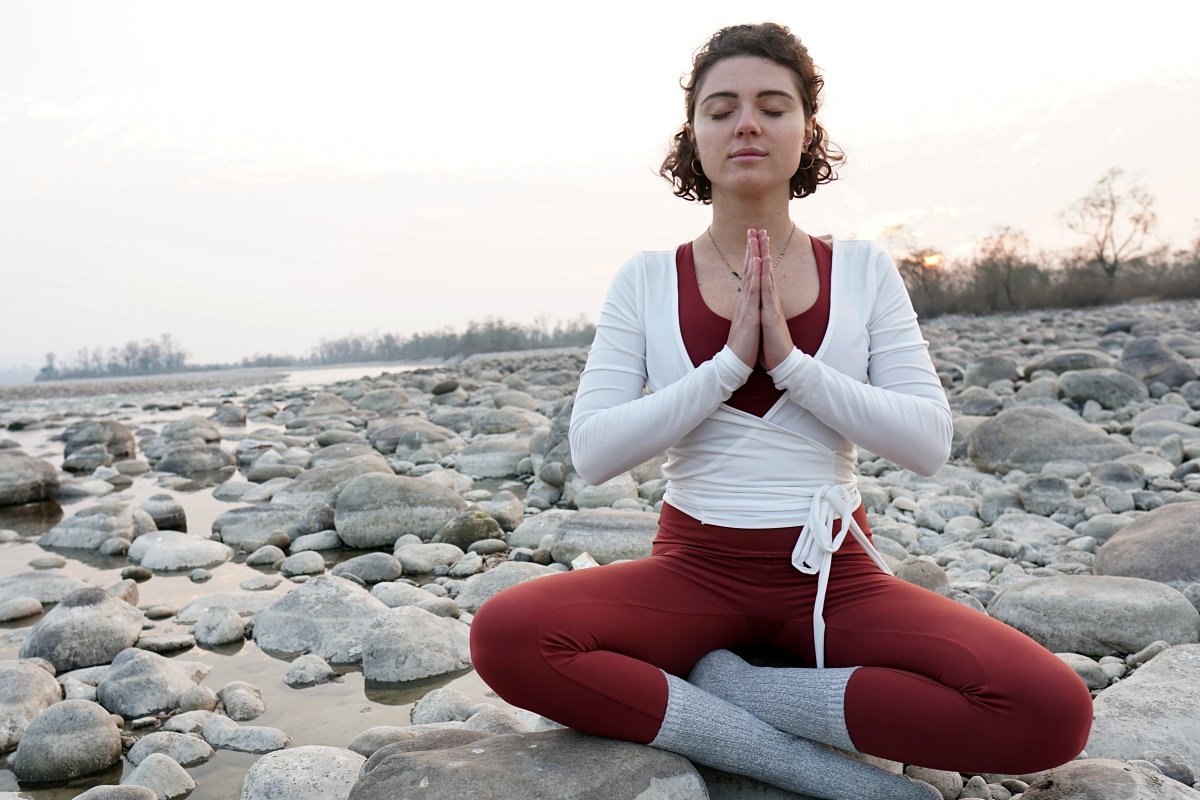
The Five Kośas (Pañca Kośa) are a traditional framework described in the Taittirīya Upaniṣad. Kośa is commonly translated as “sheath” or “covering”. The teaching offers a way of contemplating human experience from the gross physical level toward subtler dimensions of understanding.
The Five Kośas at a Glance
| Kośa | Translation | Area of inquiry | Practices explored |
|---|---|---|---|
| Annamaya | Food / physical sheath | Body and physical experience | Āsana, food, physical discipline |
| Prāṇamaya | Vital-energy sheath | Prāṇa, breath and vitality | Prāṇāyāma, Bandha, Mudrā |
| Manomaya | Mental sheath | Sensory experience and mind | Mantra, relaxation, meditation |
| Vijñānamaya | Wisdom sheath | Understanding and discernment | Svādhyāya, philosophy, contemplation |
| Ānandamaya | Bliss sheath | Ānanda and subtler experience | Meditation, contemplation, inquiry |
Annamaya
- Translation:
- Food / physical sheath
- Area of inquiry:
- Body and physical experience
- Practices explored:
- Āsana, food, physical discipline
Prāṇamaya
- Translation:
- Vital-energy sheath
- Area of inquiry:
- Prāṇa, breath and vitality
- Practices explored:
- Prāṇāyāma, Bandha, Mudrā
Manomaya
- Translation:
- Mental sheath
- Area of inquiry:
- Sensory experience and mind
- Practices explored:
- Mantra, relaxation, meditation
Vijñānamaya
- Translation:
- Wisdom sheath
- Area of inquiry:
- Understanding and discernment
- Practices explored:
- Svādhyāya, philosophy, contemplation
Ānandamaya
- Translation:
- Bliss sheath
- Area of inquiry:
- Ānanda and subtler experience
- Practices explored:
- Meditation, contemplation, inquiry
The practices column describes how the curriculum explores each kośa; it is not a proven one-to-one mapping.
Exploring Each Kośa
- 01
Annamaya Kośa — The Physical Sheath
Anna means food. This is the most tangible dimension, explored through āsana, movement, posture, rest, nourishment and routine. The model invites the practitioner to consider what lies beyond the physical.
- 02
Prāṇamaya Kośa — The Vital-Energy Sheath
Associated with prāṇa, the vital force, and concepts such as prāṇa vāyus, nāḍīs, breath, Bandhas and Mudrās. Prāṇāyāma provides a practical context for studying it. Prāṇa is presented within its traditional framework, not as a measured substance such as oxygen.
- 03
Manomaya Kośa — The Mental Sheath
Associated with manas: sensory experience, thoughts, reactions, attention and emotional patterns. Explored through mantra, meditation, relaxation and Yoga Nidra.
- 04
Vijñānamaya Kośa — The Wisdom Sheath
Associated with vijñāna — knowledge, understanding and discernment. Explored through svādhyāya, philosophical reflection and observation of one's assumptions.
- 05
Ānandamaya Kośa — The Bliss Sheath
The subtlest sheath, associated with ānanda. It is not a permanent emotional state or guaranteed happiness; it is explored through meditation and contemplation within its philosophical context.
The Kośas Are Not Five Anatomical Bodies
They are part of a traditional philosophical framework, not physical organs or measurable energy bodies. Each kośa is a different lens for exploring human experience.
The Kośas Are Not Five Separate Boxes
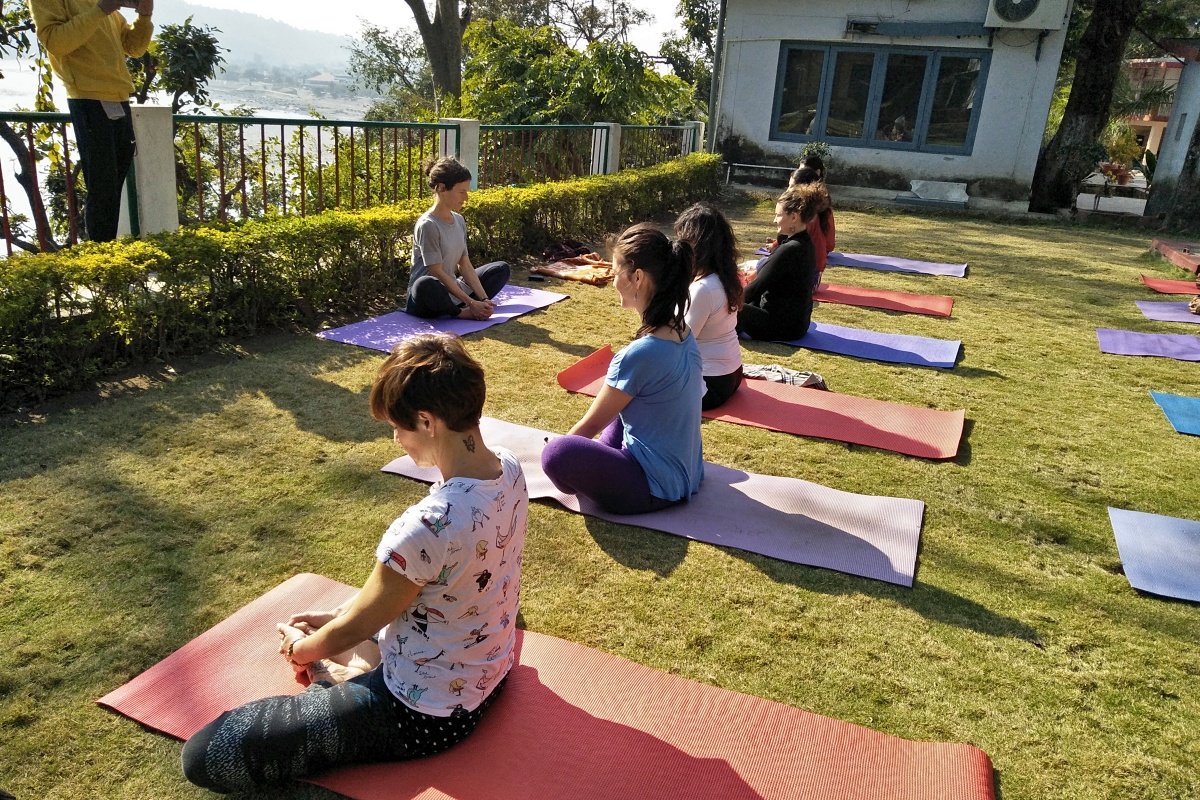
Physical practice affects breath; breath influences attention; attention shapes the mind; study changes understanding. The model is a map for inquiry, not a rigid diagnostic system.
Pañca Kośa in the Daily Ashram Routine
| Practice | Traditional exploration |
|---|---|
| Āsana | Annamaya — physical awareness |
| Prāṇāyāma | Prāṇamaya — breath and subtle-body study |
| Mantra / Meditation | Manomaya — mental observation |
| Philosophy / Svādhyāya | Vijñānamaya — understanding |
| Meditation / Contemplation | Ānandamaya — inner inquiry |
Āsana
- Traditional exploration:
- Annamaya — physical awareness
Prāṇāyāma
- Traditional exploration:
- Prāṇamaya — breath and subtle-body study
Mantra / Meditation
- Traditional exploration:
- Manomaya — mental observation
Philosophy / Svādhyāya
- Traditional exploration:
- Vijñānamaya — understanding
Meditation / Contemplation
- Traditional exploration:
- Ānandamaya — inner inquiry
Why Should a Yoga Teacher Study the Kośas?
The framework helps teachers see that yoga education is broader than physical technique: Is breath part of the practice? Is there space for attention and reflection? Is yoga being reduced to exercise?
Traditional Language vs Modern Scientific Language
Kośa, prāṇa, nāḍī, cakra, manas, buddhi and ānanda belong to traditional yogic language. Anatomy, physiology, respiration and biomechanics belong to modern science. Both are taught, but one is not presented as proof of the other.
Common Misunderstandings
“The kośas are five physical bodies.”
They are sheaths in a philosophical framework.
“Each kośa can be measured scientifically.”
The model is not a laboratory system.
“Balancing the kośas cures illness.”
It is not a medical treatment.
“Ānandamaya means permanent happiness.”
It is not ordinary emotional happiness.
“Studying the kośas is only philosophy.”
It connects philosophy, Prāṇāyāma, meditation and inquiry.
Frequently Asked Questions
What are the Five Koshas in yoga?
A traditional framework of five sheaths: Annamaya, Prāṇamaya, Manomaya, Vijñānamaya and Ānandamaya.
Where do they come from?
The Taittirīya Upaniṣad.
Are the koshas scientifically proven?
They are a traditional philosophical framework, not scientifically measured structures.
Are the koshas taught in yoga teacher training?
Yes. The Pañca Kośa framework is part of the Siddhant School 200-Hour philosophy syllabus.
The Five Kośas offer one traditional framework for understanding the breadth of yoga — from body and breath to mind, discernment and contemplative inquiry.
Learn. Practice. Teach. Reflect. For Real Understanding.
Step Onto The Mat Where Ancient Masters Walked
Upcoming residential cohorts at our Rishikesh campus are filling quickly. Connect directly with our admissions team to secure your dates and room preference.