



The 24-Day Gratitude Practice
A daily reflection on family, teachers, challenges and service that invites humility and awareness throughout your residential yoga teacher training.
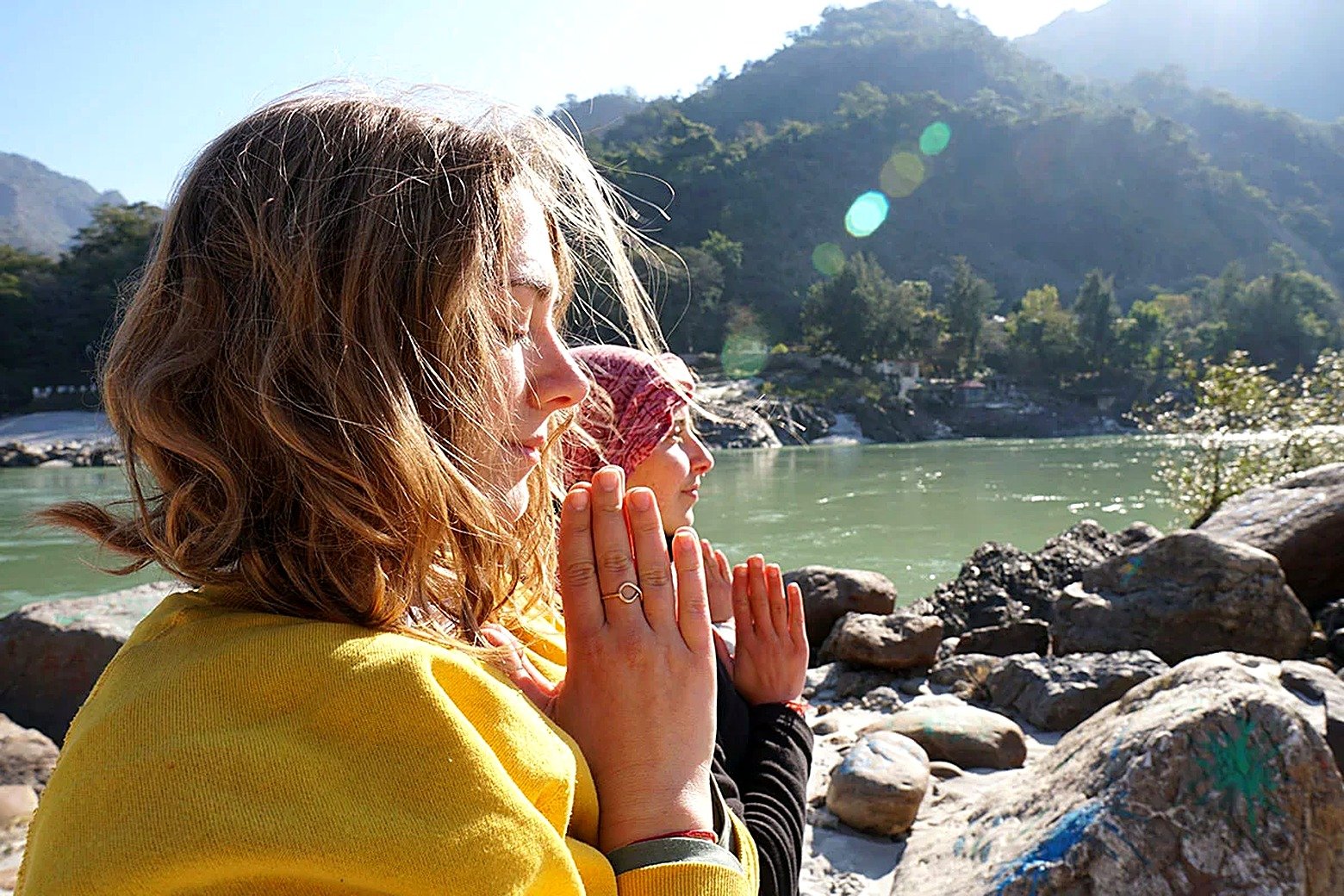
What Is the 24-Day Gratitude Practice?

A structured daily reflection included in the Siddhant School residential training, where students contemplate life, learning, relationships, teachers, challenges and service.
Rather than one inspirational exercise, it offers a repeated opportunity to pause during the teacher-training journey — cultivating appreciation, humility, awareness, respect, receptivity and connection.
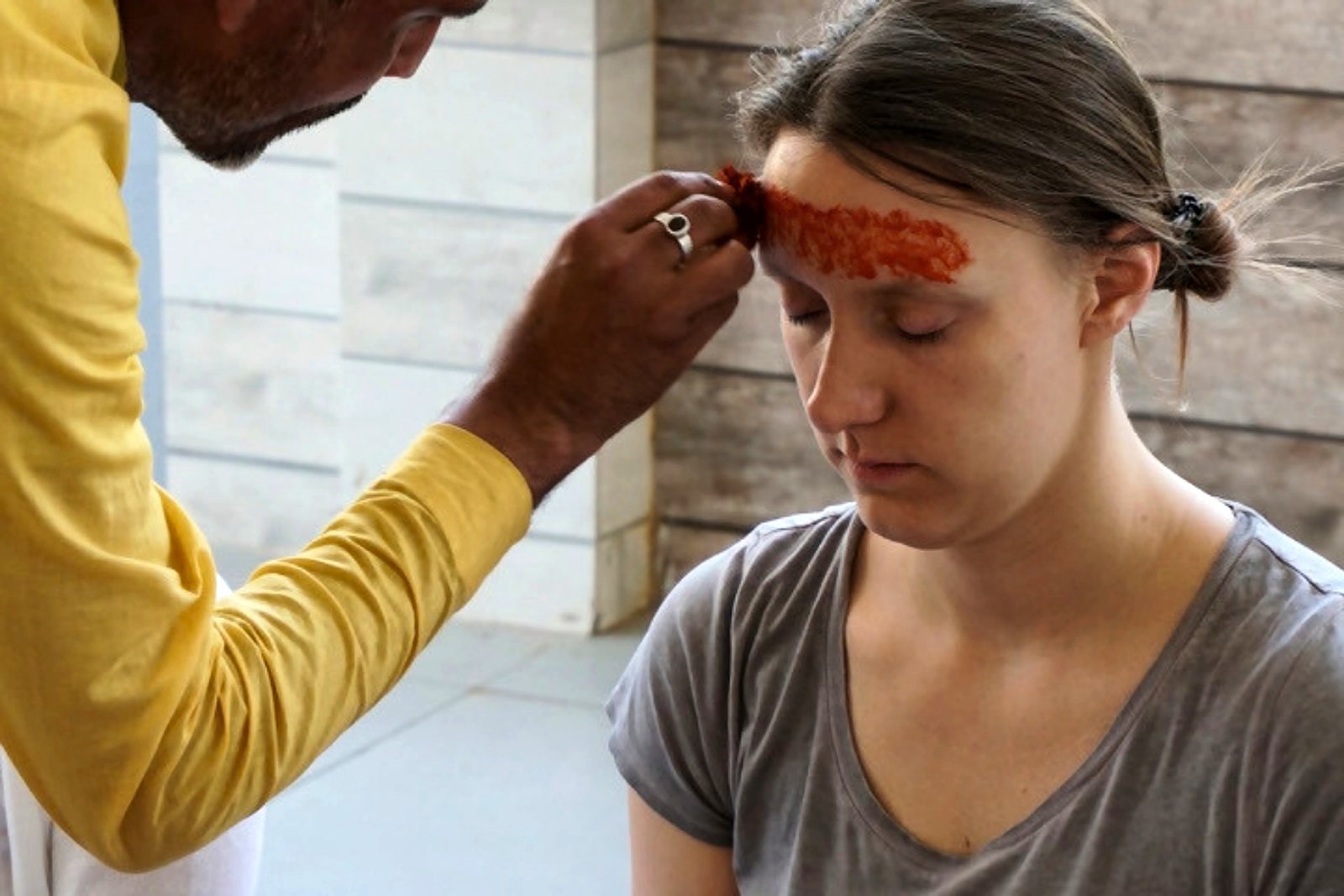
Why Gratitude Belongs in Yoga Teacher Training
Becoming a teacher involves examining one's relationship with achievement, comparison, recognition, teachers, students, difficulty, responsibility and service. Gratitude provides a structured way to bring these questions into daily practice.
Not Just a Positive-Thinking Exercise
Gratitude is not forcing oneself to feel positive. It is deliberately noticing what is often taken for granted: the people who supported one's education, teachers, food, the opportunity to study, classmates and even challenges that invite reflection.
The 24-Day Journey
| Days | Theme | Reflection |
|---|---|---|
| Days 1–6 | Foundations — family, body, food, nature | What supported my life before I arrived here? |
| Days 7–12 | Teachers & Learning — teachers, mentors, tradition, community | How much of what I know was received from others? |
| Days 13–18 | Challenges — effort, resistance, difficulty | What can this experience teach me about myself? |
| Days 19–24 | Service & Wider Perspective — seva, surrender, responsibility | How do I relate to others and to service? |
Days 1–6
- Theme:
- Foundations — family, body, food, nature
- Reflection:
- What supported my life before I arrived here?
Days 7–12
- Theme:
- Teachers & Learning — teachers, mentors, tradition, community
- Reflection:
- How much of what I know was received from others?
Days 13–18
- Theme:
- Challenges — effort, resistance, difficulty
- Reflection:
- What can this experience teach me about myself?
Days 19–24
- Theme:
- Service & Wider Perspective — seva, surrender, responsibility
- Reflection:
- How do I relate to others and to service?
Tapas and the Experience of Difficulty
Tapas is disciplined effort. Discomfort is not automatically spiritual progress; students learn to distinguish healthy challenge from unnecessary strain, injury, exhaustion or avoidance.
Ahaṁkāra and the Spiritual Ego
Ahaṁkāra, the “I-maker”, is the principle of identification with individuality. Identity can attach to achievement, knowledge, physical ability or being seen as a “spiritual” person. The gratitude practice creates space to notice how achievement and identity are related — it does not claim to remove ahaṁkāra.
When yoga achievement becomes identity: Does my skill help me understand yoga more deeply, or has my skill become part of an identity I need others to admire?
Humility Is Not Self-Diminishment
Humility means recognizing what has been received from others, what remains unknown and how much there is still to learn — not believing one's abilities have no value.
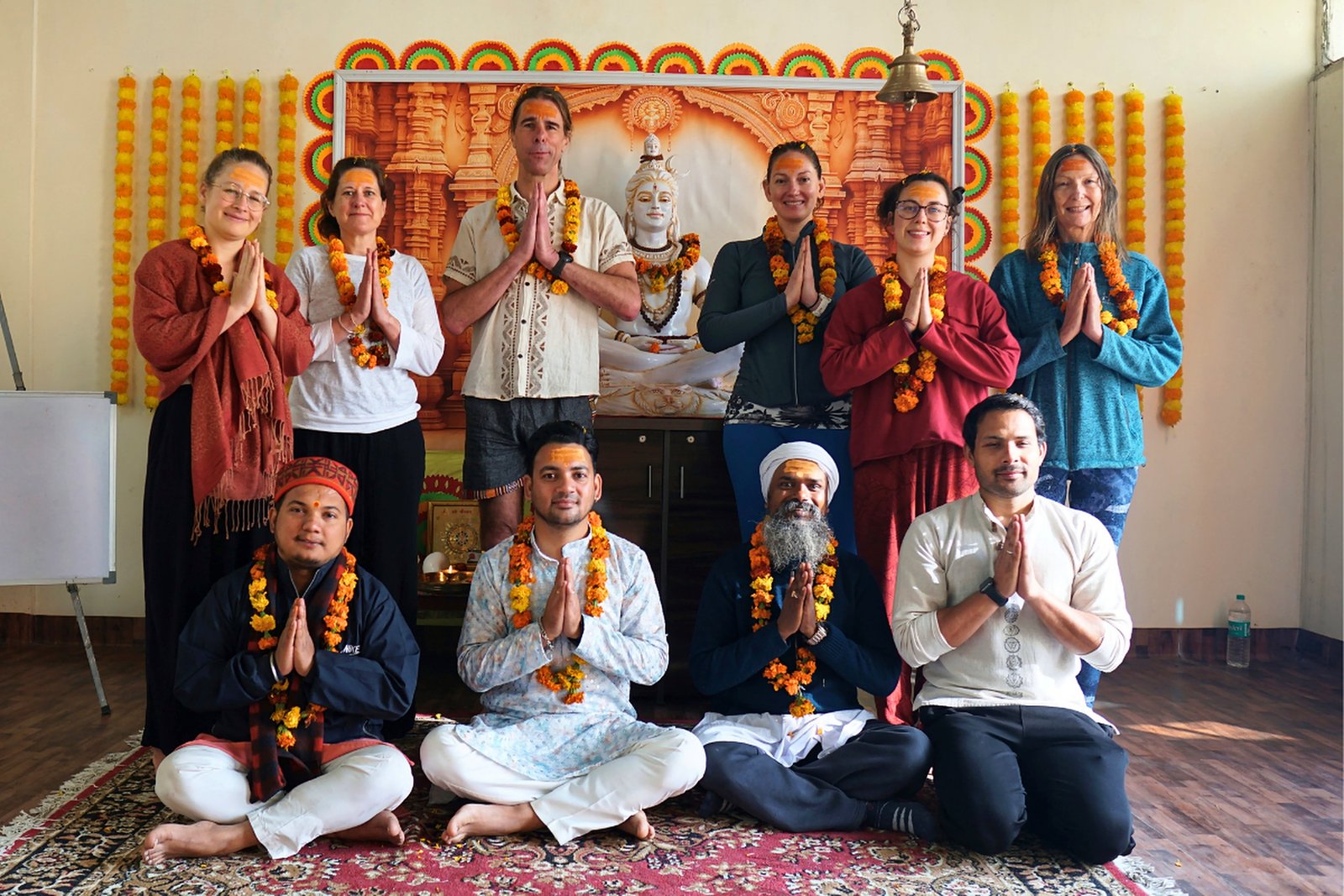
Gratitude + Teaching
A gratitude practice can help future teachers remember they were once beginners, that their knowledge came through teachers and traditions, and that learning continues after certification.
The Practice Is Not About Becoming “Perfect”
A sincere practice can include resistance, uncertainty, frustration, sadness, appreciation and curiosity. The goal is honest reflection, not a manufactured emotion.
What Students May Explore
Appreciation
Greater appreciation for what supports daily life and learning.
Interdependence
Awareness of how much we receive from others.
Humility & Respect
Respect for teachers, tradition and fellow students.
Comparison
Noticing comparison and our relationship with achievement.
Difficulty
How we meet challenge, resistance and effort.
Service
Our attitude toward seva and responsibility to others.
Frequently Asked Questions
What is the 24-Day Gratitude Practice?
A structured daily reflection during the residential TTC, with themes of appreciation, teachers, challenges, community and service.
Is gratitude a traditional yoga practice?
This 24-day format is the school's own structured practice. Related ideas — humility, devotion, self-study and service — are rooted in the yogic tradition.
Does the practice dissolve the ego?
No such promise is made. It encourages reflection on pride, comparison, achievement and humility.
When does it take place?
Daily at 10:00 AM during the residential training.
Do I need meditation experience?
No.
Practice yoga beyond the mat. The 24-Day Gratitude Practice creates a daily space to reflect on where knowledge comes from, who supports us, and how we respond to challenge.
Learn → Practice → Teach → Reflect. For Real Understanding.
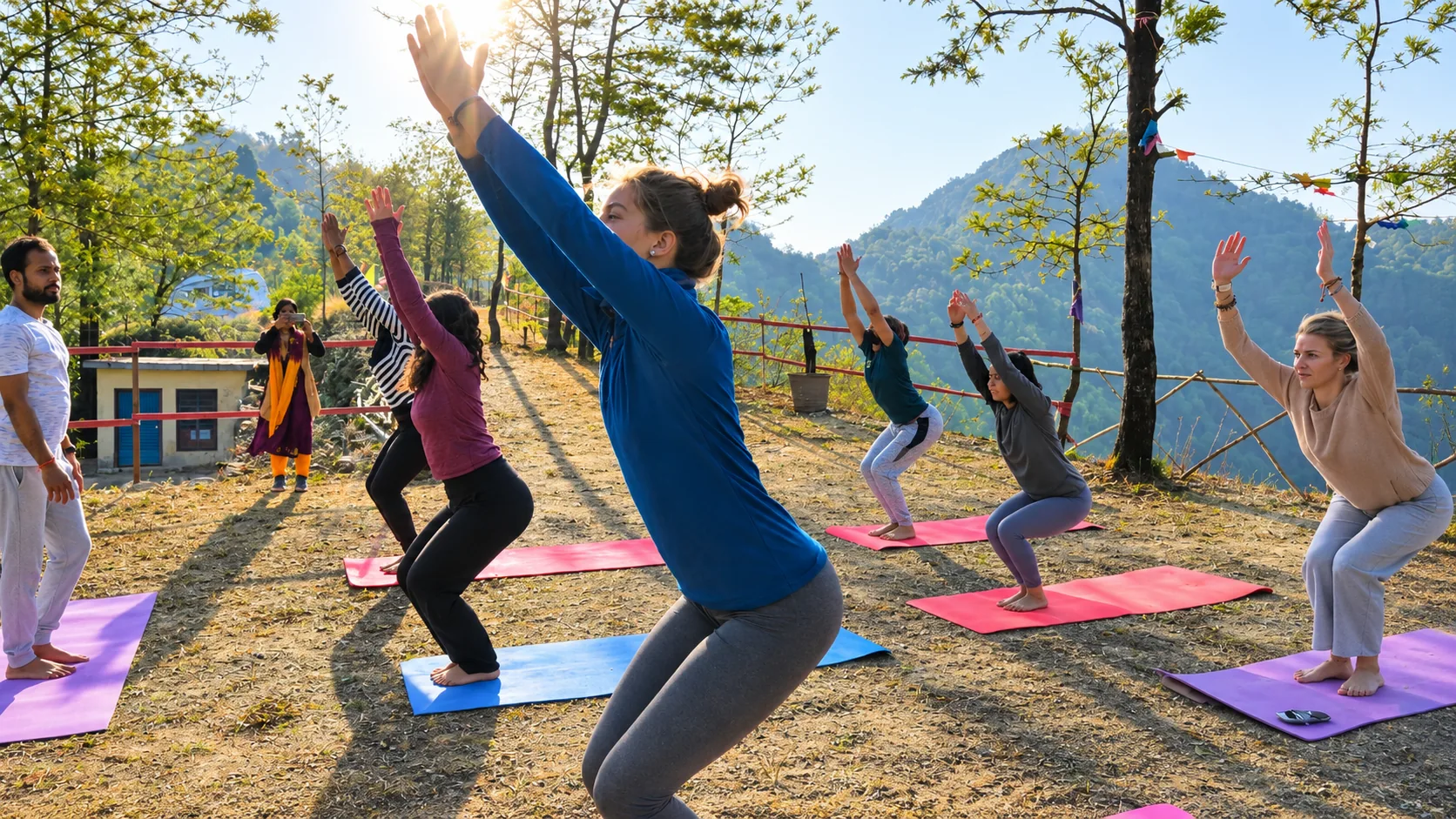
Step Onto The Mat Where Ancient Masters Walked
Upcoming residential cohorts at our Rishikesh campus are filling quickly. Connect directly with our admissions team to secure your dates and room preference.