



15 Comprehensive Yogic Subjects
One integrated 200-Hour curriculum connecting practice, philosophy, anatomy, Prāṇāyāma, meditation and teaching methodology, supported by daily practice and reflection.
- 24-Day Residential
- Rishikesh
- Integrated Yoga Curriculum
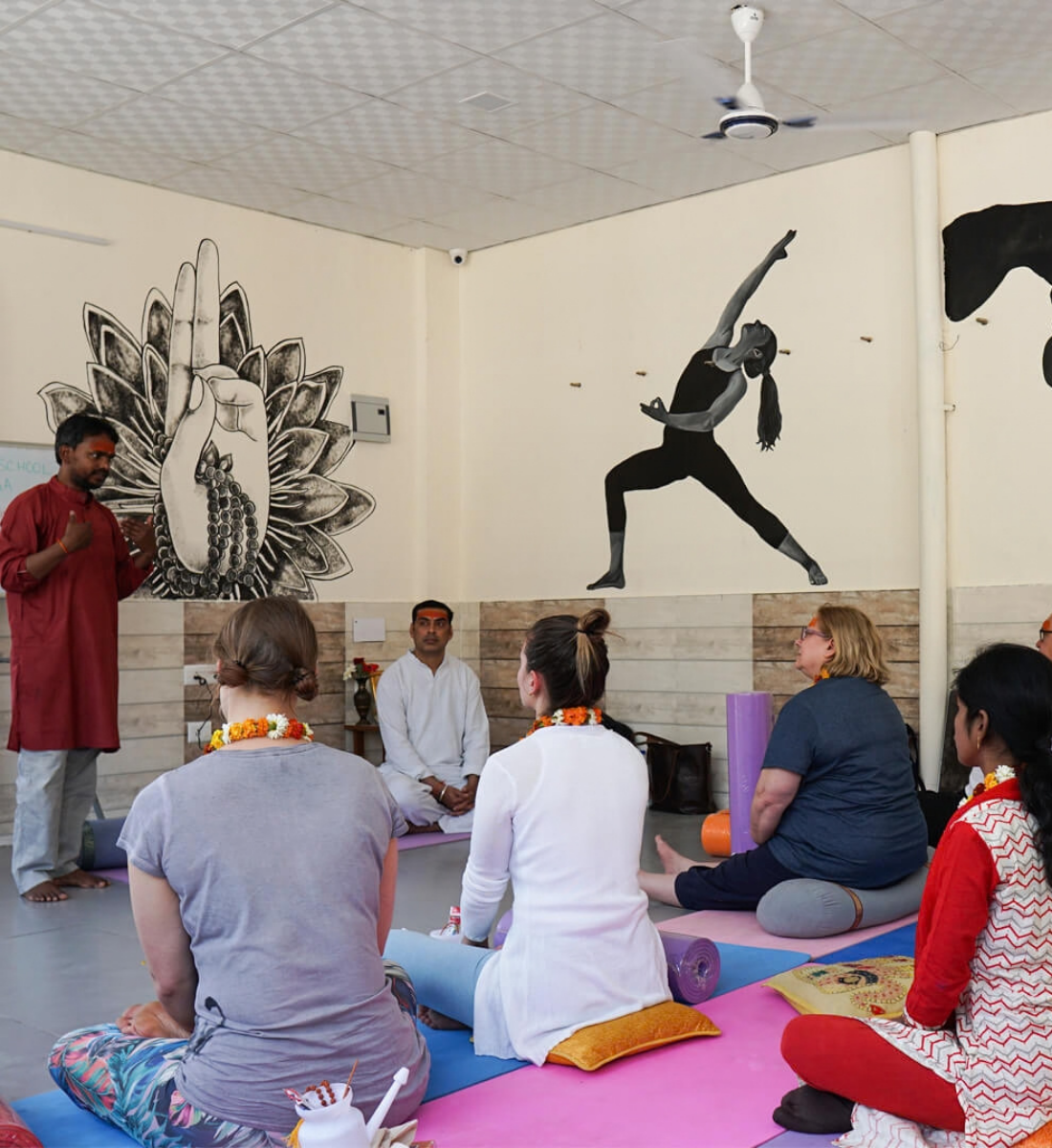
The 15 Core Subjects

Additional daily practice (not one of the 15): the 24-Day Gratitude Practice.
01. Classical Haṭha Yoga
Posture practice, steady holds, breath awareness, foundational alignment and stability. Includes joint-movement series, Sūrya and Chandra Namaskāra and classical āsana groups (standing, seated, back bends, forward bends, twists, inversions, balances).
Learn more02. Aṣṭāṅga Vinyāsa
Dynamic movement coordinated with breath and structured sequencing, based on the Primary Series: Sūrya Namaskāra A and B, standing, seated and finishing postures.
03. Alignment & Adjustments
How postures can be adapted and guided through alignment principles, props, verbal cues, appropriate adjustments and modifications.
04. Classical Prāṇāyāma
Breath awareness, yogic breathing, Nāḍī Śodhana (levels 1–4), Ujjāyī, Bhrāmarī, Bhastrikā, Śītalī, Śītkārī, Kapālabhāti, inner and outer retention and an introduction to ratio breathing.
Prāṇāyāma Center05. Bandhas
Mūla, Uḍḍīyāna, Jālandhara and Mahā Bandha, and their relationship with Prāṇāyāma.
06. Yogic Mudrās
Jñāna, Chin, Yoni, Bhairava, Bhairavī, Hṛdaya, Śāmbhavī, Nāsikāgra, Kākī, Yoga and Aśvinī Mudrā within Prāṇāyāma, meditation and Haṭha practice.
07. Ṣaṭkarma
Introduction to traditional yogic cleansing: Jala Neti, Sūtra/catheter Neti, Kuñjal Kriyā, Agnisāra Kriyā and Kapālabhāti. Taught progressively under guidance.
08. Classical Meditation
Ānāpāna, Vipassanā, Trāṭaka, chakra, mantra, silent and saguṇa meditation, developing concentration and witnessing awareness.
09. Yoga Nidra & Relaxation
Body awareness, sensation awareness, Yoga Nidra level 1, and relaxation methods such as tense-and-relax, partial and full body relaxation.
Classical Yoga Nidra10. Sanskrit Mantra Chanting
Pronunciation, OM chanting, Śānti Pāṭha and traditional mantras including Guru Mantra, Asato Mā, Gāyatrī and Mahāmṛtyuñjaya.
Traditional Sanskrit Mantras11. Patañjali Yoga Philosophy
What yoga is, Abhyāsa and Vairāgya, the obstacles, the five Kleśas, Kriyā Yoga, Īśvara, the eight limbs, and the Pañca Kośa framework.
The Five Kośas12. Functional Anatomy
Respiratory, digestive and circulatory systems, the heart, the spine (cervical, thoracic, lumbar, sacrum), joints and movement principles relevant to practice and teaching.
13. Principles of Āyurveda
Fundamentals of Āyurveda, its relationship with yoga and daily life, and the three doshas (Vāta, Pitta, Kapha), Dinacaryā and sattvic lifestyle.
14. Teaching Methodology
Class preparation and organization, conscious communication, clear and concise instruction, voice, props, demonstration and observation of individual students.
Yoga Teaching Methodology15. Teaching Practicum
Students progressively practise teaching peers and receive feedback from teachers and classmates.
Practical Teaching Practicum24-Day Gratitude Practice
Students participate in a daily gratitude and reflection practice during the residential training, creating a space for reflection, humility and awareness throughout the 24-day journey.
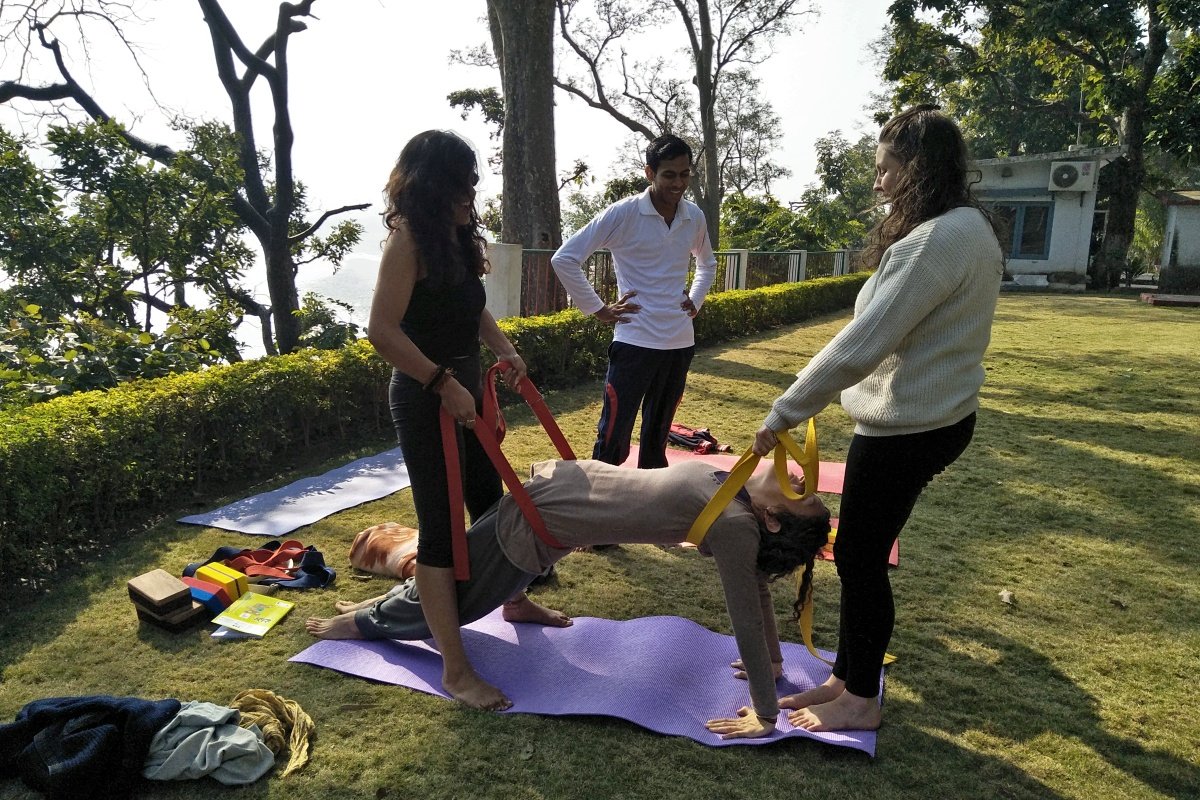
One Integrated Curriculum — Not 15 Separate Classes
The subjects are designed to complement one another. Students do not simply study separate topics; they progressively connect practice, understanding and teaching.
Āsana → Prāṇāyāma → Bandha & Mudrā → Meditation → Philosophy → Anatomy & Āyurveda → Teaching Methodology → Teaching Practicum
Practice, Understanding and Teaching
Practice
Experience the techniques through personal practice.
Understanding
Study philosophy, anatomy, Prāṇāyāma, Āyurveda and related yogic knowledge.
Teaching
Learn to communicate, demonstrate and guide through methodology and practicum.
Frequently Asked Questions
How many subjects are included in the 200-Hour TTC?
15 core yogic subjects, supported by daily practices including the 24-Day Gratitude Practice.
Is the curriculum only focused on physical yoga?
No. It combines āsana with Prāṇāyāma, meditation, philosophy, anatomy, Āyurveda, mantra, teaching methodology and practicum.
Will I practise teaching during the course?
Yes. Teaching Practicum is a core subject; every student teaches their peers.
Is the curriculum suitable for beginners?
Yes. The 200-Hour TTC is open to all levels, and subjects are introduced progressively.
How long is the 200-Hour TTC?
24 days, residential.
Will I study yoga philosophy?
Yes. Patañjali Yoga Philosophy is one of the core subjects.
Study yoga as a complete discipline — through practice, philosophy, breath, anatomy, meditation, lifestyle and teaching.
Learn → Practice → Teach → Reflect. For Real Understanding.
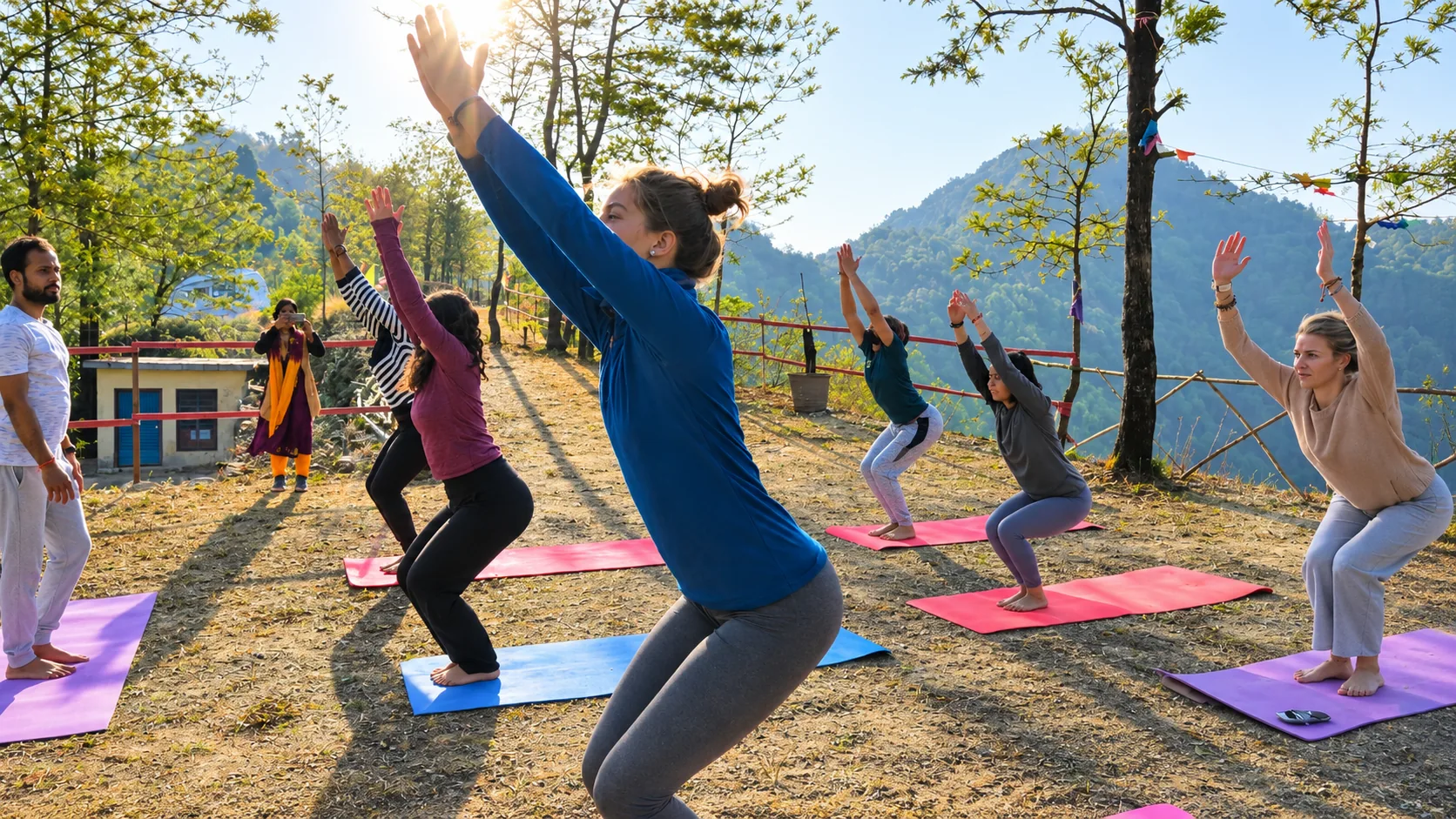
Step Onto The Mat Where Ancient Masters Walked
Upcoming residential cohorts at our Rishikesh campus are filling quickly. Connect directly with our admissions team to secure your dates and room preference.